key to understanding your heart

Have you ever had a set of keys that you just did not know what they unlocked? I use to have a small box of mysterious keys I no longer knew what they unlocked. I still keep many of them around just incase I have a door or padlock that I cannot open. Hopefully you are not missing a key to something important that I’ve borrowed and forgot to give back to you? It is frustrating not having a key to unlock something valuable to you [i.e. home, car, safe, etc.]. Sometimes it might feel like your heart is locked and you do not have the right key to understand.

In review, last week was a discovery of what is the matter with your heart. Luke 6:43-46 describes your heart like roots. Whatever you root yourself in that is the fruit you will grow. If you are rooted in evil you will bear evil fruit. If you are rooted in Christ you will bear Christlikeness. The only way you can change your heart is to understand what rules it. According to Ezekiel 14:1-5, your heart is infected by idols. The Bible is like a locksmith that opens the door to your heart and remedies its perilous condition. Today, let’s allow the Bible to be like a locksmith.

An examination of the condition of your heart shows a serious inner conflict [James 4:1-10]

James 4:1-10 is an expansion of the fruit and root illustration. James begins with the fruits and makes his way down the tree trunk to the roots. James reveals the fruit that hangs from everyone’s life is: conflict. Humans have a huge amount of conflict in their lives. You might not realize the amount because you are so used to it. Conflict might be as casual as who gets to use the bathroom first, who gets the last donut in the box, or what pizza toppings you want. Or the conflict might be as colossal as an abusive spouse, disgruntled boss, or rebellious children.

James calls you to do something radically different with your angry responses to human conflict. Rather than looking outside yourself to explain your anger, look inside your heart. James says your fights and quarrels “are at war within you.” You are angry and fight because that is what you desire and what you allow to rule your heart [i.e. idolatry]. Desires come from your heart. Desires of the heart are not all wrong nor are the fights always evil. The ability to desire was designed by God for good. However, human desires have become distorted through sin because you exchange worship of Creator for creation, which is spiritual adultery [4:4]. You give away your love for God to something else.

The heart is your control center. Your heart thinks, remembers, feels, desires, craves, experiences, makes choices, and acts. In other words, your heart is the base of operation for your cognition, affection, and volition. What your heart believes will affect your attitude, behavior and actions. Relationships, society, and culture might all influence your heart, but they are not the cause of your hearts control. You are in control of your internal responses to what is happening externally. What should your response be to sinful external influences? “With confidence draw near to the throne of grace, that you may receive mercy and find grace to help in the time of need.” [Hebrews 4:14-16]

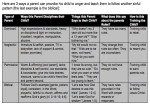
There are a few common influencers on your heart that if not examined carefully can cause damage swiftly: anger, foolishness, despair and fear. Anger is like a like a hot flame that can inflict pain in its path and forgets about forgiveness and service. Foolishness does not think about the consequences of immediate satisfaction and forsakes seeking wisdom. Despair is like a wandering vagabond that gives up too soon on the path to paradise and foregoes trusting Gods promises. Fear has a firm grip on the opinions of man and an eye on the trial, rather than being unleashed by the love of God. How do desires take control of your heart? Let’s discover a deeper look at how our desires can be influenced towards sinful responses. Here is the digression how desires take the escalator downward:[1]

Changing your desires does not begin with controlling your temper, watching your tongue, or 4-step conflict resolution. Change is initiated when you “submit to God.” [4:7] You have to give up bowing your heart to foe-gods. Smash those idols and restore your allegiance to the One True God. Wash your hands clean and purify your hearts. When you radically destroy your idols and humbly restore with your Creator by drawing near to Him, He draws near to you [4:8].

Your heart problem can only be remedied by the power of Christ [Galatians 5:13-26]

God is like a master physician who knows your greatest need, gives your heart a true diagnosis, and provides you ultimate healing through the gospel. Do not be swayed by the allure of an alternate gospel, cheap grace or self-help. These will wreak havoc on your heart filling you with bondage, darkness and desperation. It is only the power of Christ that will remedy the sinful condition of your heart and give you the motivation for future healthy heart change. Christ does not desire you to be conformed to the image of this world, but to be transformed in the renewing of your mind. How does this transformation take place?

First, serve one another in love [5:13-14]. It is much easier to stir up a conflict that to serve another in love. “I want that donut,” is a natural response fighting for the right to eat the lonely donut in the empty box. It shouldn’t sound so Sesame Street to share that donut because you desire to serve someone else. To serve is the reason Jesus came. He did not come to be served. That makes Jesus strange. What King would stoop so low as to be a servant? Jesus did.

Second, understand the conflict is between your flesh and the Spirit [5:15-23]. Your flesh still desires to be rooted in the old dirt of your former sinful life [vs.19-21, 26], but your new life desires to be rooted in Christ [vs.22-25]. The fight is over the sacred territory of your heart. Who will you allow to be king, captain and champion of your heart—you or God?

Third, if you serve only yourself you will destroy all your relationships [5:14, 26]. Living in the flesh will crush others faith, break others hearts, crush their spirits, and grieve the Holy Spirit. The way you respond to conflict can either devastate or rejuvenate your relationships. Use your conflicts as an opportunity to influence others towards restoration.

Fourth, saying “no” to sinful desires is possible through the cross of Christ [v.24]. As a follower of Christ you have been united with Christ through His crucifixion. In other words, you died with Christ. When Christ rose you were raised to new life. In Christ, you have been given a Samurai Spirit, which in whom your have the daily help and power to resist the control of your sinful desires.

It is wise to ask yourself tough heart questions as if you are getting a thorough examination from the heart doctor.[2] You would not want to be careless because your condition could be as serious as an impending heart attack. When you ask questions of the heart do not rebuttal. Willingly accept the facts as they are and use them to motivate you towards change. Heart change sometimes seems like you are rowing upstream, but don’t stop midstream because you will swiftly drift backwards [cf. 1 Peter 3:18].

In conclusion, the gospel, particularly the cross, is the only remedy for your sinful heart condition. If you have never opened up the door to your heart to God today is the day. He holds the keys to your kingdom. He is the door to new life. Only He can give you a new heart that is fully satisfied in Him. Make Christ the passion of your heart today.

For further reading on the heart check out:

Idols of the Heart and “Vanity Fair” [David Powlison]

Understanding Influences on the Human Heart[Mike Emlet]

4 Common Heart Themes [Garrett Higbee]


[1] Chart is adapted from How People Change, Paul David Tripp, P.??

[2] 5 Heart Revealing Questions to Ask Yourself: 1) How important is ____ to you? 2) What do you like about ____? 3) How does ____ help you deal with life? 4) How is ____ helping you with God? 5) How can God and other help you with ___?


pray for Sudan

This week elections are taking place in a civil war ransacked Sudan. Southern Sudan is seeking to succeed from northern Sudan. Here is what CNN has to say about what is going on right now:

Several million people will decide in the next week or so whether to give birth to the world’s newest nation.

They will cast ballots on whether to declare independence at polling stations sprinkled across the vast, flat plains of Southern Sudan, an East African landscape long riven by chaos.

War and famine have ravaged generations in the south for as long as anyone can remember. Fighting forced more people from their homes than in any other nation on earth. Hope remained elusive.

Yet the vote has given many southerners the rare sense of exhilaration that is borne of new beginnings.

From January 9 to January 15, the black Christians and animists in the autonomous region of Southern Sudan will vote on whether to declare independence from a northern government dominated by Arab Muslims. The two sides fought a war that killed 2 million people from 1983 to 2005, when a peace treaty set the stage for the upcoming vote.

Nearly 4 million have registered to cast ballots. Few doubt the outcome. . .[Read the rest.]

Here are 6 ways to pray for Sudan. African Inland Mission also shares more ways you can pray

Check out this great song for Sudan by Swoope “Actions Speak Louder”

are you ready for warfare?

Do you go out with your armor on? There are many careers that wear armor, but none more common than the armed forces. It is not uncommon to see a soldier dressed in battle gear on the news. In Jesus day it was not uncommon to see a Roman soldier or centurion. Paul uses this as an illustration to teach followers of Christ a valuable spiritual truth.[1]

You are at War [Ephesians 6:10-12]

Paul makes it clear. Christians are living in a war zone. Here is how your spiritual war is described: First, the war is intensely ferocious [v.12]. It is intensely ferocious because your enemy has one purpose in mind—to destroy your heart and distract you from following God. Your enemy might seem like a friendly foe that offers opulent peace treaties and enticing bribes. He is no friend; he is a ferocious foe in camouflage seeking to ransack your heart with baits and traps.

The spiritual war in which you are engaged is against the “principalities, powers and rulers of darkness.” [v.12] These evil rulers are lead by sergeant Satan the sly strategist and his band of menacing minions. Satan is so sly that he uses your strengths against you. Just as he tempted Jesus in the wilderness he can even distort the Word of God to get his way with you [cf. John 4]. Evil is a Weapon of Mass Destruction and the enemy is as nasty as an Al-Qaeda terrorist. The spiritual war is staged on the battlefield of “heavenly places.” It is waged in a spiritual realm in your midst, but unseen to your naked eye.

This is not the kind of war where you lob grenades, shoot semi-automatic guns, send computer-guided missiles, or have sea and air arsenals. This battle is fought as a wrestling match [i.e. hand-to-hand combat or guerrilla warfare]. Wave after wave of evil savages struggle against you in a continual onslaught seeking to sidetrack and devastate you spiritually. They do not take prisoners of war; instead they look to execute their captives.

Second, the enemy is scheming to take you down hard and fast [v.11]. Satan is not the red-horned, tail-wagging, pitchfork-carrying goofball you commonly see depicted in modern cartoons. He is dark, but is referred to as the Angel of Light. He is incredibly beautiful and intelligent, but is known for being a deceiver and father of lies. He is cunning, tricky, deceptive, and like a predator waiting to devour you like a juicy prey.

What kind of schemes does Satan slyly strategize against you? [cf. 4:22-29] Satan’s weapons of trade are taking little things and making them look big and taking big things and making them look little. He gets you to carry tomorrow and yesterday around today. He makes sin look fun, refreshing, and freeing, but in reality it is guilt-ridden, old as dirt, and bondage. Most importantly he gets you to live contrary to the Word of God and the cause of Christ.

Third, the only way you can win this war is with God’s power [v.10]. “Be strong in the Lord,” is like a war charge towards the troops. This phrase did not originate here, but in the OT.[2] God used this charge towards His nation and its commanders reminding them He will fight right along side them even go before them [cf. 5:8, 11]. Often God fights for His people who are against insurmountable odds. God is a warrior and spiritual warfare champion, which is a source of courage and comfort in the heat of an intensely ferocious war.

Arm Yourself for Battle [Ephesians 6:13-17]

Soldiers of Christ are charged to stand. [vs.11-14] Three times in this passage Paul tells you to stand so you do not fall [vs.11, 13-14]. The enemy—Satan and his cronies—are powerful forces that cannot be faced alone in the power of your own might. Armor might seem clunky, bulky and difficult to wear. However, if you were in danger you would not think twice about putting on thick armor. God has supplied you with a complete storage shed of weapons to wield for this war:

Weapon Physical Purpose Spiritual Purpose
Belt of Truth Keeps your armor up. Keeps arms and feet useful for action. Be prepared. Protection against hypocrisy and false gospels (1:13; 4:15, 21, 24, 25; 5:9; cf. Luke 12:35-37)
Breast of Righteousness Protects your heart and vital organs Protection against condemnation (4:24; 5:9)
 

Shoes of Readiness

Helps you to run well and stand strong. Durable for long distances. Firm footing. Protection against fear. Bearing the message of the gospel of peace (1:2; esp. 2:14–18; 4:3; cf. 6:23; Romans 3:21-26).
 

Shield of Faith

Protects you from a variety of attacks. Dodging and distinguish fiery arrows. (Genesis 15:1; Psalm 5:12; 18:2, 30, 35; 28:7; Proverbs 30:5; 1 Peter 5:8-9) Protection against dangerous temptation: doubt, disobedience, discouragement, and despair (1:1, 13, 15, 19; 2:8; 3:12, 17; 4:5, 13; Romans 10:15)
Helmet of Salvation Protects your head and your precious noggin Promise of ultimate victory (1:13; 2:5, 8; 5:23)
Sword of the Spirit

[Only offensive weapon mentioned]

Offensive weapon to wound and kill enemy. (Revelation 19:15) Battle is won with the Word of God. Truth defeats deception (1:13; 5:26; cf. Hebrews 4:12-13).

The Bible describes you as a soldier and you are called to wear special armor. You are in a spiritual battle. It is a fight for your life. Armor is not an option it is required to even have a chance to face your foe. Why must I take my armor seriously? You are able to withstand the intense battle and stand firm under immense pressure because you have God’s armor. Only He is able to keep you from falling, therefore, stand tall [cf. 1:20-23]. Each of the pieces of armor is a call to arms that deal with the character of God within you. The armor must be “put on.” Therefore, spiritual warfare is an external counterpart to Paul’s emphasis on inward growth and the edification of the church [cf. 4:12, 16].

Don’t Forget to Watch and Pray [Ephesians 6:18]

Be on guard. One of your greatest weapons is prayer. In the midst of the battle you can call on your commander-in-chief without using the red-phone. God is a unique commander. He is not oblivious to your warfare, He is right there with you. Therefore, when you pray to God you are not surprising God with your needs or trying to change God’s mind; rather you are acknowledging His presence and asking how He wants to change you through the battle.

How should you pray? Be committed to a lifestyle of persistent prayer in the Spirit. This brings your prayers in line with God’s will; making prayer about God’s agendas not yours. If you want to know how to pray look at Jesus [cf. Matthew 6:9-13] who praises God’s greatness and glory [v.9], agrees with His will [v.1], and acknowledges dependence upon God for daily survival [vs.11-13]. Prayer is powerful weapon because it is direct communication with the battles Conqueror and King.

Ground Yourself in the Gospel [Ephesians 6:19-20]

Why is the gospel such a big deal? Why can’t you win the spiritual war without being grounded in the gospel? The gospel is where you choose sides. The gospel chooses the winning side of the battle. In the gospel, Christ defeats death, sin, and the powers of evil, partnering you with the power of Christ to be able to fight against your foes.[3]

How can I ground myself in the gospel? First, pray for opportunities for the gospel [v.19a]. Second, proclaim the gospel [v.19b].[4] Rather than proclaiming your personalities, talents, influence, and spiritual affluence, proclaim Christ. Don’t get hung up on side issues like: politics, culture, end times, or Christian patriotism. Each of these issues is not wrong to discuss, but they can be distractions derailing you from getting to the Gospel. Stick with the gospel; it’s the power of God unto salvation.

Third, proclaim the gospel with boldness and without excuse [vs.19c-20]. You are an ambassador of the King of kings and Commander-in-chief of the armies of heaven. Speak as His representative with boldness, eagerness and unashamed passion making known the mystery of the gospel [Romans 1:16]. Remember the cross of Christ is foolishness to those who do not know the gospel. Be prepared to offend people with the gospel. Sometimes the gospel brings on more foes and persecution.

In conclusion, Christian, you are at war with a ferocious enemy in a hostile world. Have a wartime mentality. This war is a difficult fight with evil foes. Ephesians 6:10-20 is a clarion call to arm yourself for battle with the weapons God makes readily available to you. Don’t forget to pray agreeing with God concerning your need of His presence, power, and utter dependence upon Him for victory. Finally, ground yourself in the glorious refuge of the gospel. In the gospel, you will find rest and safety in the secure arms of your Savior and Warrior King Jesus Christ who has fought the battle in your stead, defeated the foe, and claimed eternal victory. The battle truly belongs to the Lord. Have you put your armor on today?


[1] Throughout Ephesians 6:10-20on spiritual warfare Paul’s sustained imagery is drawn from the prophecy of Isaiah, which describes the armor of Yahweh and his Messiah (11:4–5; 59:17; cf. 49:2; 52:7).

[2] Cf. Joshua 1:6-9; Deuteronomy 31:6-7, 23; Zechariah 10:12

[3] Paul often asks for prayer for himself and his colleagues, particularly in relation to their ministry of the gospel (Rom. 15:30–32; 2 Cor. 1:11; Col. 4:3, 4; 1 Thess. 5:25; 2 Thess. 3:1, 2; cf. Phil. 1:19).

[4] Great passages to proclaim the gospel of Christ: John 1:12; 3:16; Romans 3:23; 5:8; 6:23; 10:13; Ephesians 2:8-9; Titus 3:5; Hebrews 9:27.

the heart of the matter

Why do I do the things I do? Why am I so angry? Why is my friend so depressed? Why was my family awesome one day, but now it seems like guerilla warfare? Why do I get angry in traffic? Why is she so critical and controlling? Why is he so ungrateful? Why is she so afraid? Why won’t he talk? Why am I the way I am? The simple answer is: the heart.

What is the heart? The heart is not just a muscle that pumps blood, the shape of a card you receive on Valentines Day, nor where romantic feelings come from. It is said that you cannot understand a human until you understand the heart. The Bible describes the heart as your inner man [spirit, soul, mind, emotions, passions, will, etc.]. The heart is the real you, where your beliefs affect your behavior. It is the control center of a your life.

There is something seriously wrong with your heart. Your control center has a glitch in the main frame. What is the matter with the heart? It is stained with sin. Sin is like the fat that clogs your heart from functioning properly. Sin is like eating a constant diet of junk that will eventually kill you if you do not do something about it. Sadly, there is nothing you can do about it. However, God has done something about it. He has given you Christ whom if allowed will do surgery on your heart opening up the clogged arteries and capillaries so His life-giving power can clean you from the consequences of sinful living.

The Bible Uses a Tree to Illustrate Heart Change: Fruits & Roots [Luke 6:43-46]

When the Bible speaks about fruit, it is usually referring to the responses to your behavior [what you do and think based on what you believe]. The fruit is what speaks in Luke 6:43-46. Jesus says something very powerful about words [i.e. fruit]: they flow from the heart [cf. Matthew 5:21-30].

Now it is important to understand that people and situations do not cause you say what you say or do what you do. Why can’t people cause you to sin? This may fly in the face of modern psychology and self-esteem talk, but you alone are responsible for the way you respond to people and situation. People and situations might influence you to sin because you are being blamed, threatened, manipulated, piled on with guilt, or spoken to unjustly, but you are the root causer of your responses to these influencers. Your words and responses are revealed in the fruits of your heart.

You can recognize a tree by the fruit it bears. If you plant apples what do you expect to take root? What if you plant giant pumpkin seeds? How about an acorn? The type of seed you plant is the plant that will grow. It is unnatural to plant a pumpkin seed and discover a few years later an oak tree. When you are dealing with plants you recognize there is an organic connection between the roots and fruit. The same is true with people—the roots of your belief bear the fruits that resemble

When the Bible speaks about roots, it is usually referring to your heart [where beliefs are born, incubated and grow]. You have the kind of fruit you bear because of your roots. You will speak and act the way you do because of what is in your hearts. The heart is how you function. Your sin problem is a result of our heart [cf. Matthew 23:25-26; clean cup]. You cannot change your behavior until you change your heart.

How can you change your heart? It begins by a change of belief [roots], which will affect your behavior [fruit]. When I was growing up my gramps had an apple tree. The apple tree didn’t produce many apples. It began to produce dry, wrinkled, brown and mushy apples. Knowing my gramps he would try to remedy this problem. Let’s say gramps went out to the tree with trimmers, a staple gun, stepladder and a box of Washington apples he bought from the grocery store. He decides to cut off the bad apples and puts on the new store bought ones. Did he fix the tree? Stapling apples will not help because the new apples will rot too. Change that doesn’t reach the heart [roots] does not last. Cosmetic changes never satisfy. Are you stapling? What kind of fruits are you trying to staple in place of actually changing?

To Change Your Heart You Need to Understand What Rules Your Heart [Ezekiel 14:1-5]

In Ezekiel, the spiritual leaders of Israel come to the prophet because they have questions they want to ask of God. As they come to the prophet he sees something is wrong with them. What is wrong with them? [Idolatry] What kind of idols? [In their hearts] These idols run deeper than cultural or religious idols they are idols inside the heart of man.

What is God’s response? Idols in the heart are a ”stumbling block before the face” Ezekiel 14:3 If you put your hands in front of face and walk about the room you will not make it far without stumbling. That is exactly God’s point about idols of your heart; eventually, they will cause you to sin.

An idol is anything that rules me other than God. Sin is fundamentally idolatry [cf. Romans 1:21-25 & Matthew 6:19-24]. Idolatry is the great exchange: creation for the Creator. Here is a great truth from this passage: Whatever rules your heart will exercise inescapable influence over your life and behavior. You live for some kind of treasure. Whatever you treasure will control your heart, “where your treasure is your heart will be also.” [Matthew 6:21] Whatever controls your heart will control your behavior, “no one can serve two masters.” [Matthew 6:24]

Isn’t it impossible to know the heart of another man? Yes, you can only see the outside of a man [behavior]. However, Hebrews 4:12-13 tells you that the Bible is like a scalpel. It cuts through layers of flesh and exposes the condition of your heart. Although you do not have x-ray vision to any mans heart, God and His Word do. The Bible is a heart-revealer. The Word of God has the power to change your heart. That is the Bible compares itself to a surgical tool that can cut to the innermost part of your soul—the heart. For without heart change, there is no real change. Here are some great x-ray questions to ask to see the condition of your heart, preparing you for potential heart change:

What do you love? Hate? What or who do you trust? Who do you seek to please? Whose opinion matters most? Who are your role models? Who do you want to be like? What makes you tick? If this were your last day on earth what would you do? How would others describe you on your deathbed? What is your definition of success? What would make you feel rich? What brings you greatest joy? What do you desire, crave, lust, and wish for? What desires do you serve and obey? What is your life aim? Goal? Purpose? Where do you bank your hopes? What do you fear or worry about? Where do you find refuge, safety, comfort, escape or security? What do you pray for? How do you live with yourself? Where do you find your identity? How do you define what you are?[1]

Next week we will talk more about understanding your heart and in the weeks that follow how to guard your heart from influencers in our world seeking to distract you from giving all your heart toward God.


[1] Taken from an article by David Powlison, X-ray Questions: Drawing Out the Whys and Wherefores of Human Behavior, The Journal of Biblical Counseling, Volume 18, Number 1, Fall 1999. Pgs. 2-9

extreme makeover: work edition

The Seven Dwarfs vs. The Office

Millions of viewers enjoy watching the popular television show The Office. Could it be the show is much like a real life office? How does Dunder Mifflin make any money when so many people are not doing any work? The Office is full of characters that do not take their work Monday through Friday seriously. Sadly, TGIF is the norm for many workers who are gravely dissatisfied with work. With hopes of summer vacations, relaxing weekends, 401K’s, and early retirement.

Then there is the American workaholic who thinks their hard work will some how bring them happiness, identity, or merit with God. Like one of the Seven Dwarfs [except Grumpy] whistling joyfully while working, “Hi, ho, hi, ho it’s off to work we go.” The average American works 40 hours a week, which means they will work over 100,000 hours in their lifetime. Work is not a savior, status symbol, or a means to gain acceptance with God. If you stand before God one day He will not let you in because you were on Forbes 500 list, nor will He keep you out of heaven because you lived below the poverty line.

God does care about your work, primarily the way you work and who you work for. In Ephesians 6:5-9, Paul gives our workplace an extreme makeover. He challenges both the employee and the employer [i.e. student and teacher] with a new motivation for our work. God cares about your work and rewards your faithful service. Here is how Jesus can transform the way you work:

Jesus gives your work a greater purpose [Ephesians 6:5-6]

What do these verses have to do with work? A current application of the slave and master relationship is the work environment of worker and boss [or student and teacher]. It is interesting the Bible never denounces slavery, but it does give a new look at the slave and master relationship. According to many estimates over half of the people in the Roman Empire in Jesus’ day was a slave. Slavery then was not about cracking whips, trading ships, and inhumane treatment; rather slavery was a means of work to pay off debt and it did not last longer than 7-years. There was a level of respect and care within the relationship of a slave and his master.

How does Christ give you are greater purpose for your work? First, obeying your earthly authorities reflects of upon your obedience of God’s authority. Jesus obeyed His Father because He had a holy sense of awe and respect for His authority. He had fear, not out of potential punishment, but God’s provision. In this passage is a deliberate word plan between master and Lord [Grk: kurios]. Biblically, every man and woman born into the world is a slave [cf. Romans 6]. In Christ, you are a slave to righteousness and a steward of your God-give life.

Second, Jesus helps you to work with wholehearted sincerity, integrity, purity, humility, and loyalty. To be wholehearted means you work well even when your authority is not looking. That is what is meant when Paul goes on to say, “obey your bosses not only to win their favor when their eye is upon you.” What is eye service? It is to fear the opinion of man rather than God. Fearing God is always more important because His authority trumps any man’s authority.

Be careful how you walk around and talk about your boss [or teachers]. I often counsel with parents who have children that do not respect their parent’s authority. I often ask the parents how they talk about their boss, parents, President, and authorities from the dinner table. Often disrespectful parents breed disrespectful children by the way they communicate about their authorities behind their backs.

Third, Jesus encourages you when you are tempted to view your work as futile and meaningless. He gives you the courage to keep on and persevere. Many would rather quit, drop out, or give up. Some think of work as a curse [Genesis 3] and vanity [Ecclesiastes], which is true to some extent, but Christ gives you a greater purposes for your work. Do not get your theology of work from the Fall, rather get it from Creation.

Fourth, Jesus encourages when you are tempted to view work as self-center quest for success rather than a sacrifice or service towards others and God. God gets the glory for any gracious success you happen to accumulate. Treasures of earth are miniscule compared to those of heaven. Seek first the kingdom of God, rather than building your own kingdom or corporate castle.

Jesus gives your work a greater purpose. This is the will of God for your work. You please your boss and God by doing your work and doing it well. A great question to ask when you work is: how would Jesus do your same job?

Commit to work for God as your first boss [Ephesians 6:7]

Work is an act of worship. It is not just a job. The way you work reflects on the one you worship. As you serve your boss you also serve God. How is work an act of worship? If you work with humility and integrity you are reflecting the character of Christ and therefore shining the gospel through the way you serve. Your work is an opportunity to shine the gospel.

How you know if you love your work more than God? Is your work an idol? Do you treasure the Lord more than your money, power or success? Have you lost your passion for work or ministry because you think it is work? People say, “Pastor, it is easy for you to love your work and honor your boss because you work for God. You don’t know my boss. He is not God!” It is as if they think there is a distinction between secular and sacred work. However, there is no separation between secular and sacred work—all work is sacred. All work is for God.

Working for God has great rewards [Ephesians 6:8]

The reward in work is not earning a sweet home with fancy car, summer vacations to the beach, golfing on the weekends, socializing with the big-shots, building a huge pension to retire on, patting the portfolio, living it up with a life of leisure or luxury. If this is the reward you desire for your work you will be sorely dissatisfied.

What is your reward for working with God as your primary authority? The reward has now and later benefits. In the future, your reward is related to your inheritance in Christ according to your faithfulness to Him [cf.5:5-6].[1] Today, your reward is Christlikeness, which blesses those working around you.[2] Both slave and free will face the same strict judgment.[3]

I am certainly grateful that people work to serve others. Think of all the farmers, bakers, deliverer, and retailers that help get your food to your table. Think of all the nurses, doctors, surgeons, and pharmacists who help keep you healthy. Think of all the servicemen, policemen, firemen, judges, attorneys, and government officials who help protect your rights and freedoms. Every person plays a role in serving one another. Your work is a blessing to another person. Work is a fulfillment of Christ command to love your neighbor and love your God with all your heart, soul and mind. Work is a gift from God, and it keeps on giving as you faithful follow Him.

For Bosses: reflect God in the way you care for your workers [Ephesians 6:9]

God is impartial [Romans 2:11; Galatians 3:25], therefore bosses must not be impartial with their employees [James 2:1-13]. What “same things” should masters do for their servants? [All the above] Employees are to be treated with respect and honor because they are servants of God. Bosses are to serve those who serve them for this can influence those they serve them for good—modeling Christlikeness.

In summary, work is a great place to work out your salvation with fear and trembling. Jesus wants to redeem your work. Remember your work is an act of worship that shines the glory of God and His gospel through the way you work. Jesus can transform the way you work by giving you a greater purpose. Make God your first boss for the rewards of working for God are great. The way you work reflects upon God. Therefore, don’t waste your work. Instead of feeling guilty that you are not “doing more for God” view all your work, studies, and ministry as a means to do more for God.

For more resources on the gospel and your work:

1. Check out Bill Streger’s blog who gives additional insight from Colossians 3:22-25: The Gospel and your work. Jesus gives our work new expectancy, new passion, and new character.

2. Answer: What two reasons does Proverbs 10:4-5 give for working hard at your job? What does 1 Thessalonians 4:11-12 say are the effects of a good work ethic? What does 2 Thessalonians 3:6-15 say about doing your work with diligence? What does 1 Timothy 6:1-2 say imply about the relationship between a believing employee and believing employer? What does James 5:1-6 say about the dangers of success?


[1] Cf. 2 Corinthians 5:10; Romans 2:6; Colossians 3:24-25

[2] Cf. Matthew 10:41-42, 16:27; Colossians 3:24; Revelation 22:12

[3] Cf. Galatians 3:28; Colossians 3:11; 1 Corinthians 12:13

extreme makeover: home edition

Most parents agree that they desire to have a happy house with children who are successful, financially responsible, skillful, educated, athletic and active. These are not wrong desires, but they could also distract you from God’s agenda for your home. What is God’s agenda for the home? God desires for parents to raise their children in such a way that they will lovingly, joyfully, passionately, and freely follow Jesus Christ. This is the greatest agenda for parents. God’s agenda for children is also similar: to obey their God-given authority and make Jesus Christ the passion of their life.

In Ephesians 6:1-4, God sets a clear agenda for the home, which is a wonderful picture of His gospel. Let’s look at the basis, goal and technique for living as God’s kind of home.

The Basis of a Godly Home is Obedience [Ephesians 6:1]

I did not grow up singing the famous children’s Sunday School songs, but one I do know is, “Obedience is the very best way to show that you believe: Doing exactly what the Lord commands, doing it happily. Action is the key–do it immediately, the joy you will receive! Obedience is the very best way to show that you believe. O-B-E-D-I-E-N-C-E (Yes, sir!) Obedience is the very best way to show that you believe.” I am sure that was a fun song to sing as a kid and there is a lot of truth to this song, but as a child grows older that some might mean something entirely different. Obedience is a willingness to submit to ones authority without challenge, excuse or delay.

How should I discipline children of different ages?

For many children, following God’s agenda is difficult because they want what they want, when they want it, in the way they want it. Therefore, children test boundaries, push limits, and stress the consistency of their parents. Is this really the agenda of cute innocent children? Surely I just have a pessimistic view of children? No. I just believe what the Bible says, everyone child is born a sinner into a sinful world and sinning comes natural.

Why is it important for children to obey their parents? Obedience teaches children how to live under authority, especially God’s authority [5:21]. Authority is like an umbrella of protection for our good and God’s glory. In ancient days, the father could maintain authority in the home until death. When do you cease being a child? You never cease being a child to your parents. “Child” does not denote age, but relationship. Even as an adult you are still your parents children. However, as you grow older your relationship with your parents may morph [cf. 2:24] because biblically parenting is a temporary stewardship preparing you for your own permanent relationship of marriage.

The Goal of a Godly Home is Honor [Ephesians 6:2-3]

What does it mean to honor? Honor means you have an attitude of godly fear towards your parents because you know they have been give to you by a higher authority—God [cf. Leviticus 19:3, 14; Deuteronomy 4:10]. When you obey your parents it is a way of honoring them. Can you obey without honoring? Yes, this is called legalism. Follow rules, but not following lovingly and joyfully isn’t honor. This might run in tandem with our culture that says that ‘honor is earned’; rather God says honor no matter what because God particularly places your parents as your authority.

Paul begins this verse by quoting the 5th Commandment. [Exodus 21:12] He also notes that this is the first commandment with a promise in relation to other humans. What is the promise? The promise is that if you honor your parents you are also honoring God; therefore, God will bless you with an enjoyable life.

Exodus 20:12 Deuteronomy 5:16 Ephesians 6:1-3 Colossians 3:20
“Honor your father and your mother, that your days may be long upon the land which the Lord your God is giving you. ‘Honor your father and your mother, as the Lord your God has commanded you, that your days may be long, and that it may be well with you in the land which the Lord your God is giving you. 1Children, obey your parents in the Lord, for this is right.2“Honor your father and mother,” which is the first commandment with promise: 3“that it may be well with you and you may live long on the earth.” 20Children, obey your parents in all things, for this is well pleasing to the Lord.

Should you honor your parents if they are not believers or spiritually mature? Even if your parents do not have a biblical perspective of life you are still called to honor and obey them. Now if your parents specifically ask you to do something sinful you are called obey God who is your higher authority. If your parents abuse their authority it is proper to remove yourself from their authority until they makeover their home to match God kind of parent.

What are there benefits or drawbacks to obeying your parents? There are times when obedience might prevent you from doing something you really would like to do. This is not always a bad thing. I remember asking my parents if I could spend the night at a friend’s house from school. They denied the request because they knew that this friend was not a good influence on me. I was upset, but after the fact I was appreciative my parents were protecting me. In the future, my honor for my parents grew and it was easier to obey.

Here are some practical ways you can honor your parents: Do not talk back to your parents privately or publicly. Do not complain about your parents to others. Protect the integrity of your family. Listen to their wise counsel. Seek their wise counsel for decisions. Do not repeat their sinful habits. If you disagree do not argue in defense.

The Technique for have a Godly Home is Training in Truth [Ephesians 6:4]

In verse 4, fathers are singled out. Why are father’s singles out? As children obey, fathers are not to neglect their responsibility of point their children to Christ. Every father is accountable to God for the spiritual climate of his home [1 Timothy 3:4-5].[1] This climate can be controlled as the father teaches and consistently models Christlikeness to his children.

How does a parent provoke his children to wrath?

Training children is like giving them spiritual nourishment that will help them grow spiritually strong so that when they are on their own Satan will not have an influence on them. The greatest device the devil uses to cause division in the home is prolonged anger of the children towards their parents. Parents can feed this anger by not following Christ [cf. Colossians 3:20-21].

Training in Truth focuses on the gospel: the child’s need of a Savior [Romans 6:23] because they are accountable to God [Dt.4:9; 6:6-7]. This child must be taught about their sinful heart [Rom.5:12; Prov. 22:15]. Following salvation, parents have an enormous task of teaching their children to follow God’s Word [Ps.1:1-3; 2 Timothy 3:15-17], repent, restore and mature in Christlikeness [Ephesians 4:22-32]. This is how the child comes face-to-face with the gospel.

If you desire to have a happy house, with children who are successful, financial fiscal, skillful, educated and active above God’s agenda for your home you might be raising children who worship these agendas because they have a  distorted understanding of the gospel. Unless the gospel is central in the child all other agendas can become idols. God’s desire for parents is to raise their children in such a way that they will lovingly, joyfully, passionately, and freely follow Jesus Christ. This is the greatest agenda for parents. And God’s desire for children is to obey their God-given authority and make Jesus Christ the passion of their life. The gospel means God is always at the center of the family, not the child or parent.

Great Resources for Parents:

Shepherding a Child’s Heart [Tedd Tripp]

Gospel-Powered Parenting [William P. Farley]

Age of Opportunity: A Biblical Guide to Parenting Teens [Paul David Tripp]

Angry Children—Understanding and Helping Your Child Regain Control [Mike Emlet]

Addressing the Problems of Rebellious Children [Mary Somerville]


[1] Fathers responsibility: Psalm 103:13; Matthew 7:9-11; Proverbs 3:11-12; Psalm 72:2-8; Deuteronomy 6:6-7; Hebrews 12:7-11

it’s a wonderful life

This year Sarah and I are celebrating Christmas with a wonderful gift–our daughter Justus. New life is an incredible blessing. In fact, Christmas is all about new life.

In a tiny village two millennia ago God became incarnate through the little Christ child. This baby laying in an animal trough born into a dusty world came for one purpose–He lived to die. Why would anyone purpose to die from birth? First, this was no ordinary baby. Second, Christ’s death lead to an extraordinary opportunity for you to have eternal life.

Jesus Christ came into your world to show you what God is like. Jesus is God with skin on. And walking in this world He demonstrated a life of love for sinful humans by dying a criminal’s death on the cross in your place so that you might be forever forgiven. His sacrificial death paves the way for you to have eternal life, if you only turn from your sin and embrace Christ as Savior.

The privilege of being parents to our new little life is an awesome illustration of dependence. Our little girl is utterly dependent upon us for everything, particularly: protection, nourishment, and comfort. This is all a small scale portrait of the panorama seen in the Scripture of God’s care for His people, who are also dependent upon Him for provision.

Not a one of us is independent of a need for God. This is heard in the message and seen in the example of Jesus Christ. He is the inexpressible gift. Believe on Him and you will have eternal life. Choose to celebrate life with us this Christmas!

Wishing you and your family a Wonderful Christmas!

Justin, Sarah and Justus

extreme makeover: marriage edition

Most people have seen the show Extreme Makeover. On the reality show a family in desperate need of home renovation is surprised with the opportunity it receive the needed renovations. The show usually destroys the old home and rebuilds a new one. We love the show because in the end the family has a wonderful new home.

When it comes to our real homes—marriage. There are times when an extreme makeover is needed. For whatever reason the home has become rundown over time, bad habits, or weak foundation, and you do not have the resources or know-how to fix it. Building a solid marriage can be difficult. It takes hard work to build or renovate a marriage into God’s kind of marriage. The Church in Ephesians is compared to a: body [1:22, 23], building [2:20-22], and now a bride [5:31-32]. Let’s begin by looking at the foundations of a solid marriage through the roles of each partner within the marriage relationship.

The Role of the Wife [Ephesians 5:22-24]

The primary role of the wife is submission [v.22]. Submission sounds like a dirty word. Submission is a willingness to lovingly, joyfully, and freely follow authority. Submission is not an option, but a command to lovingly, joyfully and freely follow her husband as she would follow Christ.

Is submission for wives only? No. Submission is a concept for all believers [5:21]. Everyone is summoned to submit to some kind of authority. You submit to your spouses [Ephesians 5:22], parents [6:1-4], government [Romans 13:1], church [Hebrews 13:17; 1 Peter 5:5], and ultimately God. Submission is a spiritual matter because all submission is obedience to God’s authority. Jesus says, “If you love Me, you will keep My commandments.” [John 14:15]

Why is submission a difficult command for people to obey? It is an authority issue. Your natural reaction is buck against any authority that tells you how to live. It started when Satan rebelled against God’s authority and continued in the hearts of men from the Garden of Eden until now [Romans 3:10-18]. A lack of submission originates from a desire to be king of your domain rather than letting God be King of His domain.

Headship is the motivation for submission [v.23a]. In Ephesians, headship refers to Christ [1:22; 4:15], but here it is being implied on the husband. Headship has the biblical idea of ruler or leader. Without the headship of Christ over the church the building would not have a cornerstone, and without a cornerstone would crumble. Have you heard it said, “There are too many chiefs and no Indians?” This is a common phrase to say that there are too many people demanding control, but too few willing to follow another persons lead. In Genesis 3:16, woman is cursed with the desire to rule over their husbands [cf. 4:7]. Two chiefs in a marriage can become a two-headed monster. It is a monster that needs to be slain. The church submits to Christ because she knows the benefits of being united with Him. Likewise the wife submits to the headship of her husband.

Submission to authority, especially within marriage, sometimes becomes abused. Submission does not mean the wife becomes a slave or inferior to the husband [Proverbs 31:10-31]. The Bible never commands a husband to force his wife to submit; rather the wife is commanded to make herself submissive as her husband’s helper [cf. 1 Peter 3:1; Genesis 2:18]. Since Christ is the example of headship, the husband is to be as loving and life-giving in their marriage relationship as Christ is over the church. God created men and women equally within the image of God [Genesis 1:26-27; 2:23; Galatians 3:28], but He has given them distinct roles to fulfill that are for their good and God’s glory.

Christ is the model for submission [v.23b-24]. How can a wife submit to her husband? Simply by following the example of the church’s submission to Christ: speak the truth in love [cf. 4:15; 4:25; Proverbs 9:3], point him to Christ with your actions [1 Peter 3:1-6], extend the forgiveness of Christ when he sins, and affirm his leadership.

The Role of the Husband [Ephesians 5:25-30]

The husband’s primary role is a commitment to love his wife like Christ loves His church [v.25; cf. Genesis 2:19-20; 3:20]. He is to be a lover, leader [Matthew 20] and learner [1 Peter 3:7]. He loves her enough to lead her to walk with God as He models it himself for her. As the husband seeks to humbly serve God, it is reflected in the way he loves, leads, and learns to his wife.

Why is it important for a husband to follow the example of Christ? Christ was a servant leader [Matthew 20]. He came not to be served, but to serve. He was a king that gave Himself sacrificially for His Bride. It is not that the church deserves to be given His love, but His love is an expression of His grace. He did not give 50/50 waiting for the church to love Him back. He gave it all, 100%. Husbands do not hold back from loving sacrificially to your wife.

The Bible gives many words for love: The first word is erao, which is a physical or sexual love. Erao is where you get the word erotic. It is a pleasurable love to be saved for the marriage bed only. The second word is phileo, which is an emotional love. This is the love you share with a brother or close friend. Phileo will see objects as worthy of love. Peter used this word of Jesus [John 21:20ff]. The third word for love in the Bible is agapao, which is an intellectual and volitional love. Agapao is a committed, God-like love. Jesus used this word of Peter and God uses it toward sinful mankind [John 3:16].

In relationships, these words for love have a proper order. If you start with sexual love it will be almost impossible to have true committed love because the relationship is built on physicality rather than friendship and commitment. If you begin with committed and brotherly love, it will create the best atmosphere for sexual love and additional loves grow. A husband’s Christlike love has a sanctifying effect on marriage [vs.26-27].

Why is important for a husband to view his wife’s body as part of his own? [vs.28-30] No man treats his own body in an unloving way, therefore a husband who views his wife’s body as his own will treat his wife lovingly as well. A loving husband will protect and provide for his wife as his most prized possession. A husband protects and provides for his wife is with his time, careful ear, encouragement, and appreciation for her inner and outer beauty.

Reviewing the Biblical Basis for Marriage [Ephesians 5:31-33]

Marriage is a picture of oneness [v.31]. Oneness is the miracle of marriage—when two people become one flesh [cf. Genesis 2:24]. Oneness in marriage means your spouse becomes priority above my career, friends, sinful habits, and hobby’s.

Marriage is a picture of Christ and the Church [v.32]. What does Paul mean by mystery? [cf.3:9] The symbol of marriage was hidden, but is now revealed. Why is marriage a mystery? Marriage is a picture of salvation through Christ’s sacrificial relationship with the church, which is made up of both Jew and Gentile. Marriage is a typology of marriage that shows the unity of Christ [Bridegroom] with His church [Bride]. This gives marriage a divine significance.

Marriage glorifies God when the husband and wife are fulfilling their roles [v.33]. The purpose of marriage is not my happiness, fulfillment, or love, although these can be fruits of a godly marriage. Marriage is bigger than just my spouse and me, but it is about a display of Christ-like love and obedience to the world.

when church becomes stale

Have you ever bought a bag of potato chips that you just did not enjoy, but felt obligated to eat them? So you munch on small portions of the chips for weeks with a bad attitude until they become stale enough you do not feel guilt for throwing them away. Has your attitude towards your church become like a bag of stale potato chips?


I mingle weekly with church goers who have become stale with church. For whatever reason they have become distracted by a bad attitude, mumblings of other attenders, or become stale of hearing towards the good news of the Word of God. Is there hope for staleness without throwing the church out?

First, it is important to discover if I am stale towards church or hearing the Word? Here are some common complaints said from those who exhibit seeds of staleness:

  • “Church has become so boring and I totally know what to expect.”
  • “The pastor never ends on time. We have things to do. Besides my kids can’t sit through that long of a service.”
  • “The sermons are not relevant or interesting. Rather they make me feel guilty and discouraged.”
  • “No body notices me anymore. Not even the pastors. They treat me like an outsider or stranger.”
  • “We are a busy family and Sunday is our only time to rest and relax.”

If you have recently stated one or more of these to yourself or another person you could be harboring a stale attitude towards church or hearing the Word. Again, is there hope for staleness without throwing out your church?

I want to share portions of  a great article by Colin Marshall. This article deals with how you serve and minister to one another on Sundays and prevent yourself from staleness…

Once we make the attitude shift from being passive pew sitters and receivers to active workers and givers, there is no end to the difference we can make to others. All of the suggestions below are of the informal type—things we can do at our own initiative. They are the types of involvement that every congregation member can have. The key is to observe what happens around you and respond to people’s needs. Think through Sunday mornings chronologically. What can we do before, during and after the service?

Before Worship

Preparation. One of our great contributions is our preparation. The preacher should not be the only one preparing for church. We prepare by praying for the preacher, the musicians, the service leader, the Bible readers and the newcomers. We prepare by studying the Bible passages so that we maximize this learning opportunity by being sensitized to the issues and questions in the passages being taught. Such preparation also has other benefits. We are better equipped to enter into discussion with others if we have looked at the passage beforehand. It is also a great encouragement to the preacher to know that the congregation is eager to understand the Bible and willing to put in some effort. Preaching is hard work, both for the preacher and the listeners. An intelligent question, comment or observation upon the sermon is an enormous motivating factor for the preacher who, week by week, has to try and engage the congregation’s minds and hearts in the word of God. Those who sit in the pew can make a great contribution to those teaching from the pulpit.

Meeting visitors and newcomers. We enjoy meeting our friends at church, but we need to develop a nose for new people. We need to sit with them and help them feel comfortable in this strange place by introducing ourselves and explaining what is going on. We should greet the non-Christian friends of other members and introduce our friends to others. It’s all about genuine hospitality. The way we welcome and look after people when they visit our homes should be a model for the household of God. And genuine, relaxed hospitality will slowly evaporate some of the prejudices held by outsiders.

Arriving early. All of this requires that we arrive not on time or late, but early. That may be the greatest miracle of all.

During Worship

Active listening. People in the pews have an enormous impact on those who are teaching and leading. Communication is always a two way process. Energetic listening through taking notes, making eye contact with the preacher, sitting at the front, laughing at jokes (even old ones), will spur on the preacher. It is very hard to preach enthusiastically to a sleepy, distracted, fidgety group. Our active listening will also infect others with enthusiasm for learning, just as our fidgeting will discourage them. Unbelievers will also pick up that these ideas are worth listening to if they see rows of regulars eagerly soaking up the Bible.

Singing. Similarly, those in the pew can be a great help to the singing and leading of music. It is everyone’s responsibility to share in the corporate singing of the congregation. The music may be well chosen and played but if it is poorly sung it is disheartening. Our enthusiasm and gusto in singing the great anthems of the faith is of great help to those around us and those leading the music, even if we can barely hold a tune.

Newcomers. Keep attending to newcomers’ needs. If they can’t find their way around the Bible or the service outline, or they don’t have a Bible, or they need to find the nursery, help them yourself. t’s all about being observant and outward-looking.

After Worship

Discuss God’s Word. We have just heard the word of God and we spend all of Sunday lunch talking about the movie we saw the night before. It isn’t right and we know it, but many of us are just uncomfortable starting up ‘spiritual’ conversations. If you get the ball rolling, others will pick it up. During your preparation and the sermon, think up some comments or issues to raise with others. Asking “What did you think of the sermon?” will usually put your neighbor into a coma, but making a specific comment like “I didn’t know Abel was a prophet. What makes someone a prophet?” may generate a fruitful conversation. Even if the conversations don’t always get off the ground, your enthusiasm for learning the Bible will be contagious and non-Christians will see that church is not dull and boring but fascinating and life shattering.

Pray with others. Use the time right after worship to meet others and find out their concerns and pray quietly with them. This will look a bit weird to newcomers with pairs of bowed heads all around the building, but they will know that we love each other and trust God’s providence.

Newcomers. Newcomers tend to leave fairly quickly so we have to move fast by identifying the visitor in our pew and offering them conversation immediately the service ends. It’s all very purposeful: make sure they are welcomed properly by you and your friends, maybe introduce them to the minister and help them see how they can fit in to the congregation. You may have to postpone catching your friends until after the newcomers have been cared for.

Stay late. Once you catch this vision of church, you are always the last to leave because the opportunities to minister don’t end until the last person leaves. Gone are the days of fitting church in between breakfast and brunch. Ministry of the pew takes time. Church requires a lot of effort, if we are to build the body of Christ.

Check out these stale hearing preventions:

“For those of us who have been Christians for a while, it becomes easy to think that we’ve pretty much exhausted the possibilities of the Christian life. We can settle into a routine of activities at church and in our small groups and Bible studies, with little expectation of anything new. The familiar becomes the predictable, and everything from here on out will be more of the same. We dip our teaspoon into the vast ocean of the living God. Holding that teaspoon in our hand, we say, ‘This is God.’ we pour it out into our lives, and we say, ‘This is the Christian experience.’

God calls us to dive into the ocean. He call us into ever new regions of his fullness, his immensity, his all-sufficiency. There is more for us in Christ than we have yet apprehended. Let’s never think that we have him figured out or that we’ve seen all he can do. The Bible is not a guidebook to a theological museum. It is a road map showing us the way into neglected or even forgotten glories of the living God.” 
- Ray Ortlund, When God Comes to Church

love & relationships 101

QUESTIONS TO CONSIDER WITHIN RELATIONSHIPS

  1. Who’s in your drivers seat?
  2. Why preparing for marriage matters?
  3. What about sex before marriage?
  4. Dating, courting, or waiting?
  5. Is true love possible?
  6. How to choose the right relationship?

GOD’S ANSWER & HIS HIGH STANDARDS FOR RELATIONSHIPS

  1. Both of you must be faithful followers committed to Jesus Christ
  2. Marriage is a picture of a divine and permanent relationship
  3. Sexual intimacy is for the marriage bed only
  4. Every relationship is to be viewed as sacred
  5. You cannot get a refund on your relationships
  6. Seek someone with Christlike character

JUST FOR FUN

When Vince Lombardi took over the Green Bay Packers as Head Coach the team was a mess. The team did not function as a team. They were confused by complicated schemes and lack of discipline. During one of the first practices Lombardi gathered the men together and said, “This is a football.” It is not that they didn’t know what a football was, but they had forgotten the basics of the game. That summer Lombardi gave his men a 101 course in the fundamentals of football and their dedication helped them to become world champions.

Bookstores are lined with relationship advice. The internet is bogged down with sites sharing the newest dating and marital tips. You could spend over a thousand lifetimes reading all the love and relationship information in the saturated media-sphere until every orifice of your body is oozing relationship factoids. You might be a self-proclaimed expert on relationships and win the love and romance categories on Jeopardy, but in real life your relationships are flunking.

More information is not the answer, rather it is living as your were called within your relationships. Let’s make it simple, pull off your dusty Bible from the shelf and see what the wise inventor of human relationships has to say. God has high and helpful standards for our relationships. If God’s has a high standard for relationships so should you.

walking in wisdom

A few years ago my father picked up a new hobby—making walking sticks. Since starting Trail Tamer he has sold hundreds of sticks. Many of his sticks are a work of art in which he carves beautiful images and meaningful phrases. I own three sticks. Upon each of my sticks my father engraved verses from all over the Bible that talk about walking.

Ephesians talks a lot about walking: walking in new life [4:17-18], walking in forgiveness [4:32], walking in true love [5:2], walking in the light [5:8], and walking in wisdom [5:15]. Walking according to Paul is not about physical exercise, but about the spiritual life’s journey with Christ. Walking flexes your spiritual joints to become fit for the difficult road ahead. As you walk with Christ you become more and more like Him [cf. 4:1].

In Ephesians 5:15-21, the theme of walking continues with an encouragement to walk in wisdom. Walking in wisdom is more than knowledge of random facts about life or God. It is not about being able to win at spiritual Jeopardy or Trivial Pursuit. Wisdom is learning to live in a way that pleases God by putting on the character of Christ from inside out.

What does it mean to walk in wisdom? [Ephesians 5:15-17]

First, wisdom looks carefully at how you walk [v.15]. A wise person does not ask, “How far can I go before I sin?” Instead they ask, “Is this helpful for me and my walk with God?” I have freedom to do as I please, but that does not mean it is profitable for me. Paul elsewhere encourages the Corinthian church, which struggled with relationships and unwise habits, “All things are lawful for me, but not all things are profitable.” [1 Corinthians 6:12]

A wise person watches they way they walk because they are saved to new life. An unwise person is not careful how they walk, therefore, they are easily influenced by poor entertainment choices [i.e. TV, movies, games, internet], by addictive consumption [i.e. alcohol, media], and by corruptive people they mingling around. Although these things are not sinful in themselves they are things that can easily lead to sin.

Second, wisdom makes the best use of your time [v.16]. A wise person is disciplined and discerning with their time. As followers of Christ you are aware that time is limited and every opportunity matters because “you are buying time.” 

People waste a lot of time on things that do not matter. When you stand before God one day will your labor in Farmville matter? Will racing your kids to sports practices and club activities matter? Will your endless hours of texting and gossiping about silliness matter? Time is but a vapor; it is here one moment, and the next “poof” it is gone. Everything you do everyday has eternal significance. Unwise people do not consider their time as God’s time.  Wise people are a steward of the life God has given you. Do not be a slave to time; let time be a slave to you. Glorify God with the time you have remaining because that is what matters.

You can commit to making a wise use of your time at any age. Before the age of 20, Jonathan Edwards committed about 70 resolutions to God. It was his desire from a young age to walk with God. One of these resolutions was, “Resolved, never to lose one moment of time; but improve it the most profitable way I possibly can.” You are never too busy, too young or too old not to give your time to God. Imagine if God said that to you?

Third, wisdom understands what the will of God is [v.17]. Only a fool does not think about God. A fool thinks, “How much can I get away with?” This is kindergarten Christianity. A wise follower of Christ moves beyond elementary foolishness and considers God’s purposes and plans, and seeks to follow after Him in them.

What is the will of God? I often have people ask me, “Pastor, what is the will of God?” Most are shocked that as you unpack a biblical view of God’s will it is much simpler and wide-ranging than you may realize. God’s will is less about whom you will marry, what job you will have, what your future will be like, and more about the kind of person you are to become. “This is the will of God, your sanctification.” [1 Thessalonians 4:3] In other words, it is God’s will that you are growing up to be more like Christ. It really is that simple. Therefore, it is easy to know if you are out of God’s will—if you are not living like Christ.

How am I supposed to walk in wisdom? [Ephesians 5:18-21]

If you are walking in wisdom you are filled with the Spirit [vs.18]. Paul contrasts be filled with the Spirit to being drunk. Why would Paul use drunkenness in contrast with being filled with the Spirit? Paul knows that alcohol is a common substance that can control you if you have too much to drink. It is all a matter of what you allow to control you.

Being filled with the Holy Spirit is not the same thing as: being saved, being more saved, or having a mystical experience. The Holy Spirit is not a force or influence, He is God. Every believer is indwelt by the Holy Spirit upon salvation and does not need more of Him after salvation [1 Corinthians 12:13]. Being filled with the Spirit is simply being under the control of the Holy Spirit. Being filled is allowing the Holy Spirit to head the command-center of your life and giving Him the ability to do with you as He pleases. You become the passenger and He becomes the pilot. If you do not submit yourself to the Holy Spirits control you are like a man wearing beer goggles driving a fully loaded box-truck down a Los Angeles interstate during rush hour.

Followers of Christ are commonly called the temple of God [cf. 1 Corinthians 3:16-17 & 6:19-20]. In the OT the temple was the place where God dwells, and where His people offered sacrifices of worship God. However, since Christ’ death on the cross the structural temple is no longer needed because Jesus opened the access to God. Today His followers are the physical temple of God offering their lives as an offering and sacrifice to God [Romans 12:1-2].

Those who are filled with the Spirit use worshipful words [vs.19-20]. The result of being filled with the Holy Spirit is letting “the Word of God dwell within you richly.” [Colossians 3:16] In other words, the words and songs that flow from your lips match the Word of God. Words not of God can “grieve the Holy Spirit” [cf. 4:30].

What brings people together more than the words of the music? Arenas are packed with people singing the anthems of their favorite bands. Churches every Sunday gather together singing songs to their great God. Music has a powerful way of communicating and teaching truth in a unique way that speech or sermons cannot.

Worshipful words include, “giving thanks for everything.” [cf. 5:4] Does giving thanks for everything include evil done towards me, personal tragedy, problems related to sin and temptations, or periods of physical and spiritual suffering? Yes. Gratitude is an attitude that gives you a godly outlook on life and the greatness of God [Colossians 3:17]. God uses evil, tragedy, sin, and suffering for His glory. I have seen numerous times how God has used my moments of failure and struggle to teach me about His presence and provisions.

Those who are filled with the Spirit also submit to one another [v.21]. Everybody submits to someone or something. Employers submit to their companies, soldiers submit to their superiors, citizens submit to their authorities, and Christians submit to God and others over them. Followers of Christ are committed to each other like living stones of the temple of God encouraging and helping one another to worship God. We live in a society that bucks against authority therefore submission is look down upon. However, submission is for our good, the good of our community and for the glory of God.

In Ephesians 5:15-21, walking in wisdom is less about knowing facts, and more about living with God and one another. Walking in wisdom walks carefully, makes a good use of time, understands the will of God, is filled with the Holy Spirit, uses worshipful words, and is submissive to other followers of Christ. Walking in wisdom will take you down a beautiful road. When the paths of hardship come, as they will, godly wisdom will be like a loyal walking stick carrying you through the tight passes, rugged terrains, and steep slopes. Walking in wisdom is not easy, but it brings God glory.

how to choose the right relationship?

“…and they lived happily ever after. The End.” These are the magical words every human wants within the relationship chapters of their real life love story. We go goo-goo over happy endings. Last week we looked at the story or Hosea and Gomer. It was a story that didn’t appear to have a happy ending, but God can restore any broken relationship to a point that it can be better than it ever was before. Today we will look at another love story from the Book of Ruth.

The story of Ruth begins with a family tragedy. Naomi’s family line has ended with the death of her husband. Naomi’s son dies from sickness, leaving his wife Ruth without a husband or children. To make it worse, both of Naomi’s sons die. So Naomi and her daughter-in-law Ruth are left as widows without home, without personal property, wandering in a foreign land, and without hope of marrying again. However, this sober scene of emptiness and hopelessness sets the stage for one of the worlds most wonderful and powerful love stories.

Throughout the story of Ruth you will see some quality characteristics arise that are essential to securing a godly future mate. I will use Ruth as a grid for excellent questions when considering and preparing for your future relationships.

excellent questions to ask a potential mate before you begin a relationship:

Are they stuck in sin? [Ruth 1:16-18] When Naomi heard that the famine had lifted in her homeland she decided it was best to go back home. Naomi gave permission for Ruth to stay and perhaps get married again, but Ruth does something very peculiar, she decides to go with Naomi. It can be easy to make more out of this situation than there is, but it could have been easy for Ruth to stay put and continue life in Moab. She decided to make the move away from Moab. In a sense Ruth moves from her home, culture, past, and gods to follow her mother-in-law and ultimately her God.

When pursuing a potential mate it is good get a panorama of their life to see if they are stuck in their sin. In order to understand if this is the case you will have to ask some vulnerable questions: Do they live in the past? Do they hang around people, places and things that keep them living in a virtual Moab? If the answer is yes to these questions then proceed with caution because in most cases these people will not change within a relationship with you. If there is good evidence that they have left these things behind to follow God you have the makings of a great mate.

Are they willing to put in the hard work? [Ruth 2:1-7] Naomi and Ruth arrived in Bethlehem on time for the yearly harvest. Though they were single and homeless they did not sulk or feel sorry for themselves. Ruth found work on a farm owned by Boaz, who was related to Naomi’s husband. It was a low level job, as respectable as flipping burgers or cleaning toilets. To Ruth it was a job that supported her and Naomi. She worked hard and did not complain. Boaz saw her working in the field and was attracted to her. He watched her work hard. He observed her character from afar. This is the turning point of the story for Ruth.

Before I began a relationship Sarah, I watched her in action. I was certainly attracted to Sarah. I was attracted to more than her beauty for she was a woman marked by her love for God, sensitivity to sin, hard work ethic, and contagious care for ordinary people.  How do you tackle a tough job? Do you tackle tasks with tenacity? Have you ever thought these tasks might be a test where someone is watching you to size up you character?

Are they loyal and committed to relationships? [Ruth 2:11-12] Ruth continued to care for Naomi even though there was nothing Naomi could do in return for Ruth. Ruth was loyal and committed to her relationship with Naomi. She listened to Naomi and respected her mentoring. This loyalty and commitment to support her only surviving family made her all the more attractive to Boaz [vs.11-12].

When looking for a potential mate it is wise to observe if they have a good track record of relationships, especially with their parents, family, and friends. If the person you are pursuing plays dodge ball by running and jumping in and out of relationships, beware you just might be the next target to get hit.

Are they willing to protect your purity? [3:7-14] The scene to follow might sound a little risqué. Ruth comes into the threshing floor and lies down at Boaz’s feet. Why did she lay at his feet? It was Ruth’s way of telling him that she really wanted to marry him. It appears she is making herself available to him. They are alone, it’s late, and the opportunity to compromise by having sex could have come easily, but Boaz protects Ruth’s purity and loves her enough to wait.

What Women Want is a movie about a chauvinistic man who gains the ability to hear what women are thinking. Women went crazy over him because finally a man was listening. Most wish this was a reality, but the Bible is on track with what women and men want in a potential mate. What men really want is a woman with godly character [3:11]. What women really want is true love that protects [2:4], provides, praises, and honors their purity.

Waiting to have sex until marriage is part of God’s plan. God created sex to be beautiful, lovely, and too exhilarating for words, but He also commanded you to save sex for the marriage bed. It is important to adhere to God’s counsel concerning sex because the choices you make before the wedding will impact your marriage after the wedding. Couples who disobey God by having sex before marriage are at higher risk of divorce, adultery and serious sin struggles within their marriage. Seek a mate that will protect your purity.

Are they willing to consider wise counsel in difficult situations? [Ruth 4:13-17] Low and behold, Boaz is not the closest relative, which means he could be relinquished of the right to claim Ruth’s property to Ruth’s closer relative. Boaz does his homework and makes the arrangements to meet this man. As a result, Boaz is waived, redeemed, and is given the right to marry Ruth. They are blessed with a wonderful marriage, a newborn son, Naomi’s family is restored, and they lived happily ever after. The End.

the story of Ruth is about less about human relationships & more about a divine relationship

After a quick skim through Ruth it would be easy to conclude that this book is a Divine Guide to Dating for Dummies, or a thesis on all types of relationships from parenting, singleness, courtship, marriage, to grand parenting. Although read Ruth again and you will notice relationships are a secondary theme to the gospel theme. The Bible as a whole from cover to cover paints a beautiful picture of hesed—the loving kindness of Incarnation, resurrection, ascension, and kingly Return of Christ [i.e. the gospel]. This is the golden thread that weaves though the story of Ruth.

When you turn to the genealogy of Jesus you will see Ruth mentioned as the great grandmother of King David [Matthew 1:5-6], which ultimately is the royal line that leads to Jesus. Throughout the book of Ruth the hidden hand of God is present preserving His promises of a Savior even in the most unlikely situation. God uses Ruth [a foreigner] and Boaz to carry out His promised plan. Imagine if Ruth stay in Moab and never met Boaz. This story might not have been as glorious and God-centered. The lesson for you and me in this story is to follow God no matter how the present emptiness and hopelessness because God is at work. For you will be the most happy when you are in His hands.

wise resources to look at before settling on a future mate:

A Sweet and Bitter Providence [John Piper]

Redeeming Ruth

walking in the light

There are innumerable benefits of light. The sun causes the earth to grow and keeps our body healthy. Flashes of lightning in a storm or glittering stars in the night sky bring delight to our awestruck eyes. A flashlight or nightlight in a dark place brings comfort to your fears and insecurities. Light is good.

Have you ever tried to walk around in a strange new place in the dark trying to find a light source? It can be difficult dodging objects trying to avoid knocking things over or stubbing your toes. Walking in the light is not only safe, but it is a theme for your spiritual life too.[1]

walking in the light avoids darkness [Ephesians 5:6-8a]

In the Bible, the theme of light and dark appears a lot.[2] Light usually refers to living in a way that pleases God, while darkness refers to living recklessly and selfishly. Throughout Ephesians it is clear that Paul is communicating with Christ followers. And followers of Christ are expected to walk in the light and avoid darkness [vs.6-8a].

The things that Paul was referring to are the “empty words” of physical and verbal immorality [cf. vs.3-5].[3] They are empty because they lack eternal substance and do not help a follower to walk in the light. It is uncertain who these people were. However, we do know they were trying to justify doing “these things.”

Immorality must be avoided because the wrath of God is upon sin. Since God is holy, He has righteous anger against sin. Disobedience deserves just consequence. A person characterized as a “son of disobedience” walks in a way that is characterized by habitual disobedience [cf. 2:2]. Only a fool would walk into a dark cave without a map and light. With each step you put yourself into further danger and your next step just might kill you. So it is if you do not submit to God’s authority. Removing yourself from His protection opens you up to the adversary’s attacks and ultimately divine destruction [cf. v.5; Romans 1:18-32].

Since, the consequence for an immoral life is so serious you are urged to not even partner with the practices of those who do not follow Christ. So am I supposed to be a monk that hides in a monastery away from the world my entire life? Of course not! It is impossible to step out of the world and avoid unbelievers completely, thus you are encouraged to be a light that shines Christ to the world. Walking in this manner is worthy of your calling and pleasing to God [cf. 4:1; 2 Corinthians 5:9; Romans 12:2; 14:18].

walking in the light is fruitful [Ephesians 5:8b-10]

The symbolic contrast between darkness and light is likened to that of death and life, poor and rich, old and new. Light and dark are polar opposites. Before Christ, unbelievers made their home in darkness [cf. Colossians 1:13], but Paul is speaking to believers saved by the Light of the World. Since they have the light they need to behave like they have the light.

When you shine the light of Christ the response is fruitful. What is the fruit of walking in the light? Christlikeness—goodness, righteousness, and truthfulness. God gets the glory for shining and fruit bearing. It is rare to see a person who is radiates selflessness, righteousness and truthfulness through and through. If you walk in the light you stick out in the crowd as if you are glowing in the dark because the light of Christ is shining supernaturally through you [cf. 4:24; Galatians 5;22; Philippians 1:11].

walking in the light is exposes secret sin [Ephesians 5:11-14]

Light and darkness are incompatible with one another. You cannot have both co-existing. Have you ever been in a dark room with a small candle? Or have you stood outside on a clear night with the stars above and a sliver of a moon? It is amazing the amount can be put out by a flickering flame or starry sky. A little light can pierce darkness.

It is no mistake that mischief happens during the dark for most burglaries and kidnappings happen in the middle of the night. Why? It is easier to hide and keep secret. Sin loves to hide secret crevasses and closets where there is no light. Sin can quickly slip into the shadows undisturbed for years. Sin is a nocturnal beast that thrives on living in darkness.

So shameful is secret immorality that it must not even be spoken [v.12; cf. 5:3]. Not that it is taboo, but evil must not be promoted or tolerated. Work that happens in darkness is not fruitful; rather it is destructive, unproductive, and does not please God.[4] Believers are to have nothing to do with darkness for a child of the light must look and live like the light.

Light has many benefits, but one of the greatest benefits is that light exposes darkness [cf. John 3:20]. If you walk in the light you are like a lighthouse to the world in distress seeking to find some sort of safe refuge from the storm. You will be a beacon that points people to Christ—the Rock and Strong Tower.

How should we go about exposing darkness? Exposing darkness is hard for most Christ followers because it makes them vulnerable. Therefore, walking in the light must be done humbly and helpfully as to restore a sinner to God through the life-transforming gospel of Christ. I saw this in a powerful way this week as one of our young people in FUEL Student Ministries posted some encouraging, but straightforward words on another young person Facebook wall who was sharing things that were vulgar and inappropriate. This young person was shining the light of Christ in darkness exposing sin and pointing the sinner to Christ.

Sometimes words shine, but moreover what shines the most is a consistent, genuine, everyday walk with God. I have hope that this young person will change because the light of Christ has the power to expose darkness and transform you in the light [cf. 2 Corinthians 4:6; John 3:19-21]. God can awaken anyone towards the light because living in darkness is frightening and miserable. As J.B. Phillip’s said, “It is even possible [after all, it happened to you!] for light to turn the thing it shines upon into light also”[5]


[1] Ephesians has a theme describing the negative and positive ways you are to “walk”: 2:2, 10; 4:17; 5:8; 5:2, 15

[2] Cf. Genesis 1:2-18; John 8:12; 1 Peter 2:9; 1 John 1:5-7; 2:9.

[3] Justifying immorality is not a new thing; 1 Corinthians 6:13; Galatians 1:6

[4] Cf. Matthew 13:22; Mark 4:19; Titus 3:14; 2 Peter 1:8; Jude 12.

[5] Peter Thomas O’Brien, The Letter to the Ephesians, The Pillar New Testament commentary (Grand Rapids, Mich.: W.B. Eerdmans Publishing Co., 1999), 373.

is true love possible?

From a young age, boys and girls grow up with the stories of true love like Cinderella, Snow White, Beauty and the Beast, and countless romantic classics that depict men as chivalrous rescuers and woman as radiant beauties. As we grow older we love still stories like The Notebook and Braveheart because women want to be pursued and men want to sweep their beauty off their feet. We are wired to want life long love.

The Bible has a lot to say about love and relationships. Thus far we have discussed four of God’s standards for relationships. First, both partners must be faithful followers committed to Jesus Christ. Second, marriage is a picture of a divine and permanent relationship. Third, sexual intimacy is for the marriage bed only. Fourth, every relationship with the opposite sex must be viewed as sacred. And today we will see that you cannot get a refund your relationships.

You live a world where you can return anything. Even dumping your lover or signing divorce papers are easy as taking back a pair of shoes to Payless. So what’s the use of marriage vows? A vow is not “I hope so” or “I will try my best”; rather it is “I will!”  When I gazed into the eyes of my wife on the altar during our wedding ceremony I repeated to her, “I Justin, take you Sarah, to have and to hold, from this day forward, for better, for worse, for richer, for poorer, in sickness and in health, to love and to cherish, until death takes us apart. And this day pledge to you my faithfulness.” In that moment, I was sobered by the serious this vow. I was committing myself to another human being. When it comes to relationships—particularly marriage—there is no return policy. No divorce or dumping can erase one-flesh.

Is true love possible?

Have you ever heard of the love story of Hosea and Gomer? With a name like Gomer it must be one amazing love story!? Gomer might not sound beautiful, but the story of Hosea and Gomer is one of the most endearing true love stories of the Bible. Hosea the prophet married Gomer the prostitute. Now most romances usually do not begin like this, but God arranged this marriage. However, through their relationship you will see a husband’s unconditional love for his wife.

Hosea knew about Gomer’s promiscuous past and probably knew that being married to a woman with this kind of baggage would not be easy. He was right. After they had three children together [1:2-9], Gomer ran away from her home and went back to work selling herself on the street. In our day, she would be arrested and removed of all custody to be near her children. In her day, she could have been killed or sold into slavery. She was running from more than her husband and children, she was running from God.

God let Gomer run for a little while through the thorns, but He did not let her run for long [2:6-10]. All the while He was right besides her, pursuing her heart, blocking her path, and whispering in her ear, “Where are you running to, my dear child.” God is a pursuer-lover. He does not let go of those He loves, even if they shamelessly spit in His face.

The story of Hosea and Gomer has such similarity to story of the father and his prodigal son [Luke 15:11-32]. The son asked for an early installment on his dad’s inheritance. The dad graciously gave it up to his son only to have him bolt immediately to blow it all in a Vegas night. The night ends with the son wrestling pigs for their slop. The father freely let his son run, but when the son came back begging for mercy the father embraced his son and threw him a welcome home celebration. God gives you freedom to run with boundaries. Your God-given freedom does not give you the right to break God’s guidelines for life for this will make you a slave to your own sinful passions.

Gomer came to the place where she had nothing.  She was stripped of everything. I suppose she reaped what she sowed; she got what she deserved. In her mind, the only solution was to sell herself as a slave. The story does not end on here; Hosea buys Gomer from the slave market [3:1-3]. Can you picture the moment? Can you see Hosea leaving his home, looking in his wallet at the money he would use to purchase back his promiscuous wife and mommy of three children? Can you hear the auctioneer bidding with Hosea responding, “15 pieces of silver”? I can imagine Gomer’s eyes filling with tears as she sees her husband pursuing her to restore her as his wife.

The love story of Hosea and Gomer mirrors Gods love towards Israel. God in a sense wed Himself to an unfaithful people. God made a covenant relationship with Israel. This covenant came with blessings and curses depending on Israel’s fidelity and loyalty. Since, Israel was unfaithful the curses were being activated [cf. blessings and curses of Deuteronomy 28; R.C Sproul, Curse Motif].

What are the relationship lessons learned from Hosea and Gomer?

First, God is angered by unfaithfulness. God is particularly outraged by unfaithfulness towards Him. When you rebel against God there must be a consequence. God is like a jealous husband who desires His wife solely and for her not to share her love with another.

Second, God is a loyal lover. God’s faithful love is unfathomable. Although the people He loves are unfaithful He bends over backwards to buy back His promiscuous bride. He runs with an eager pursuit to express His unconditional love to His people.

Third, idolatry can creep into any relationship. Israel’s unfaithfulness had to do with their love for another god. Moreover their religious practices became an idol that clouded them from seeing their One True Love. Idolatry is sharing your love with something other than God. People can be idols, but God never meant for marriage to be-all.

Fourth, God’s anger and love must lead to our repentance. This is the gospelman is responsible to God, man rebels against God, Jesus redeems man, and man responds to God’s love. Instead of Gomer being on the auction block it is you. Your sin put you on the slave market, but Jesus stepped in to purchase you as His own. He raised His nail pierced hands claiming you as His child. The gavel falls, “Sold!” The price for your soul was the Son of Man shedding His blood on the cross. The love story of Hosea and Gomer is most clearly seen in the person and work of Jesus Christ.

True love is possible. Obedience to Christ is the starting point towards knowing what true love is all about. Without a relationship with Jesus Christ you will not know what true love is or how to share it with another person. The sacrificial and unconditional love of Jesus Christ is our model for true love. I am certainly glad that God did not return me when I failed Him.

quick Q&A concerning difficult relationship situations:

Since Hosea married someone who is immoral is this okay for me to do too? This question must be answered carefully. First, it is true you are both sinners and you both marry with sinful baggage. Still you must careful consider whom you marrying. It is good to ask the question: Am I willing to partner with them know what I know about them?

What if my spouse leaves me? Forgiveness and restoration are always the goal, but you cannot control the responses or actions of other people. Your faithfulness [1 Peter 3:1-6] and sacrificial love [Ephesians 5:25ff] will speak more than your words will ever utter. Marriage will be tough at times. God designed marriage to you holy, not just happy.

What if my spouse my relationship is abusive and unsafe? Get help. Call your pastor, but if you are in immediate danger call the police. Separation from your spouse for a time is appropriate they can submit to self-control. I found this message, Living with an Angry Spouse, by Ed Welch very helpful.

Additional Resources to Prepare for the Marriage Relationship:

Should We Get Married? [William Smith]

Questions to ask before you Get Engaged [Sojourn Counseling]

The Mystery of Marriage [James Hamilton Jr.]