STEWARDING WHAT YOU GOT & WHAT PEOPLE WANT
Money can be a complicating factor in life and ministry in the mission field. It isn’t a thing to be avoided or overemphasized. Money matters are fundamentally matters of discipleship, stewardship, and witness in the mission field.
Under the dim glow of a single lightbulb in his small guesthouse room, Daniel sat with the envelope on the table — money inside, the “fee” the customs officer had hinted at to release the shipment of supplies. He had prayed for weeks for these boxes filled with antibiotics, water filters, and bandages meant for refugees. Now, one signature and a discreet payment could send healing by morning — or compromise everything he stood for. The fan above him whirred like a restless conscience. Was it corruption to grease the wheels of mercy, or pride to let the suffering wait? In the silence, Daniel bowed his head and whispered, “Lord, show me which act honors You most — obedience or outcome.”
BIBLICAL REFLECTION ON MONEY MATTERS
For those serving among the unreached, money is not just a resource but a spiritual tool. A missionary’s financial life—from fundraising to budgeting to giving—is a visible testimony to the gospel. Understanding money through a biblical lens ensures that financial practices bring glory to God, foster sustainability, and build the worker’s integrity.
God is the Owner, and We are Stewards. God is Creator of everything and King of everything, and therefore the ultimate Owner of everything (Psalm 24:1, 1 Corinthians 10:26). Whatever we think we own actually originates with God and is only temporarily entrusted to us. We are called to be stewards—managers and trustees—of the resources, time, talents, and relationships God has given us (1 Peter 4:10). We are simply to use what God gives us for His purposes, share what God gives us with those in need (Luke 12:48, Acts 20:35), and care for what God has given us (Matthew 25:14-30, Luke 16:1-13).
Money is a Means of Discipleship and Stewardship. The way a missionary earns, spends, saves, and gives reveals the true condition of their heart. Money is not separate from the spiritual walk; it is a measure of faithfulness.
- Stewardship to God: All resources originate with God and are entrusted to us temporarily. Stewardship comes from the Greek word oikonomos, which means to manage the affairs of a household, or in other words, work. Our role is to grow in managing what we receive or give for His glory. (1 Chronicles 29:11-12; 1 Corinthians 4:2)
- Opportunities for Discipleship. Money matters can lead to several discipleship opportunities, such as giving (2 Corinthians 9:7), generosity (Proverbs 11:25), honesty (Proverbs 12:22), responsibility (Luke 16:10-12), and more.
- Money Matters reveal Heart Matters: They can show care, generosity, freedom, and compassion. Money can also reveal idols and distractions. God does not condemn money, but rather those who put their trust in it. When our pursuit of wealth or our reliance on financial security outweighs our trust in God, we elevate money to a position it was never meant to hold. This can lead to anxiety, greed, and a focus on earthly possessions rather than eternal treasures. (1 Timothy 6:10; Matthew 6:24; Proverbs 11:28; Luke 16:11)
- God Rewards faithful stewardship. Faithful stewards who use the Master’s resources to do His will can expect a reward, partially on earth but fully in the life to come. The ultimate pioneer hope is to hear, “Well done, good and faithful servant! You have been faithful with a few things; I will put you in charge of many things. Come and share your master’s happiness!” (Matthew 25:21)
Money Matters Call for Integrity and Accountability. In contexts often plagued by corruption, the missionary’s financial integrity is paramount to the credibility of the gospel. Adherence to biblical ethical standards, even when it is costly, distinguishes the Kingdom of God from the kingdoms of the world.
- Accountability and Transparency: As recipients of external support, missionaries must live above reproach, ensuring their reporting is truthful and accurate to honor those who give sacrificially. (2 Corinthians 8:21)
- Integrity requires wisdom in navigating cultural practices, such as bribery or excessive gifting, which may compromise the missionary’s witness. (Proverbs 13:17; 28:20)
Money is a Part of the Mission Strategy. Money, when used strategically, must promote the sustainability of the local church and local ministry efforts, not long-term reliance on foreign funding. The goal is to establish churches that can manage and fund their own mission.
- Empowering Local Leaders: Financial resources should be deployed to equip and train local leaders to handle ministry responsibilities, finances, and resources, moving them away from dependency and toward sustainability. (Ephesians 4:12)
- Modeling Giving and Generosity: Missionaries must model self-sacrificial generosity without creating a culture where locals only follow Christ for material gain. True giving springs from joy and love, not obligation. (Acts 20:35; 2 Corinthians 9:7)
- Modeling Self-Sufficiency: Though Paul affirmed the right to support, he often chose to work a trade (tentmaking) to avoid burdening new, struggling churches or to counter cultural accusations of greed. Pioneer missionaries may need to adopt a self-supporting role to maintain credibility. (Acts 20:34)
More and More, We are People who become Characterized by Generous Sharing and Sacrificial Giving. Jesus followers commit to both sharing and giving because it promotes relationships and breaks the bondage of possessiveness. The Western doctrine of personal property is imperfect and needs to be tempered with the value of generosity and sacrifice. We also aim to give as often and as generously as we can. In sharing what we have with others, we demonstrate that God is the true owner and that we are only stewards in His vineyard. We will also give because in giving we destroy the grip of materialism over our hearts, because we release the resource, wealth, or possession completely into the control of another. For that reason, we will pursue relentless generosity and the holding of all things in common. (Malachi 3:10, Matthew 25:40, Luke 3:11, Acts 2:43, 4:32, 20:35, 2 Corinthians 8:7, 13; 9:10-13, Ephesians 4:28, 1 Thessalonians 2:8, 1 Timothy 6:18, 1 John 3:17)
Generosity and Good Stewardship are the DNA of a Healthy and Growing Church. The giving of self and resources, the sacrifices, and sharing among one another are necessary to empower the mission to expand beyond itself. Observe the example of the early church (Acts 4):
- The church nurtured relationships of love and trust (v.32).
- They shared voluntarily, not by force (v.32).
- They embodied an ethos of grace, not law (v.33).
- They taught all that was commanded (v.33).
- Their leaders set an example of generosity (vs.4:36-37).
- They were free to give, but in a spirit of honesty (5:1-10).
- They had spiritual servants who distributed fairly (6:1-7).

Discernment is Needed when Handing Bribes and Begging. The concepts of bribery and begging are generally viewed negatively.
- Bribery: The Bible consistently condemns bribery, portraying it as a perversion of justice and an act that corrupts individuals and systems. It implies an attempt to influence someone’s actions or decisions unfairly, often to gain personal advantage. (Exodus 23:8; Deuteronomy 16:19; Proverbs 17:23; Ecclesiastes 7:7)
- Begging: While the Bible does not explicitly condemn begging in all circumstances, it generally promotes hard work, self-sufficiency, and generosity towards the poor, rather than a lifestyle of dependency. The emphasis is on caring for the needy, but also on individuals contributing to their own well-being if capable. (Proverbs 6:10-11; 28:19; 2 Thessalonians 3:10) This is to be balanced with compassion for the poor and needy. (Deuteronomy 15:7-8; Luke 16:19-31)
We are Commanded to Care for the Poor. Care can take many forms. Here are a few Scriptures that missionaries can wrestle with almost daily:
- “Give to everyone who asks you.” Luke 6:30
- “They only asked that we would remember the poor, which I had made every effort to do.” Galatians 2:10
- “If a brother or sister is without clothes and lacks daily food and one of you says to them, ‘Go in peace, stay warm, and be well fed,’ but you don’t give them what the body needs, what good is it?” James 2:15-16
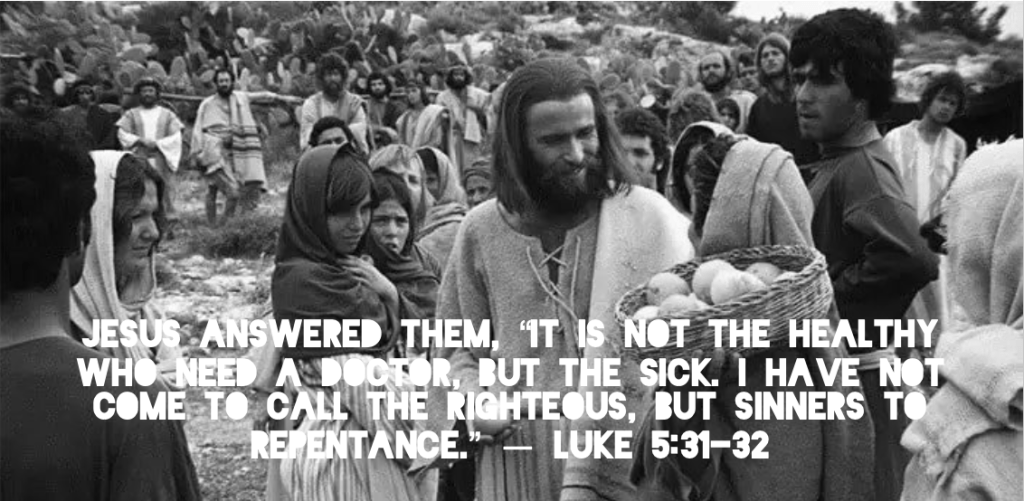
We remember the poor because we believe that God does. God is always on the side of those who have no one on their side. The poor are central to His mission in the world. Jesus’s own ministry is our model. We prioritize the poor in our ministry concern, allocation of resources, and advocacy. We do this, not because the rich and middle class are less important to God, but because they already have access to resources and are able to advocate their own cause. Just as Paul was eager to help the poor, the average missionary is filled with compassion regarding the human tragedy surrounding them and takes action. (Deuteronomy 15:7, 15:11, Psalms 82:3, 140:12, Proverbs 14:31, Isaiah 61:1, Jeremiah 8:21, 22:16, Matthew 11:5, 25:40, Mark 2:17, Luke 4:18, 6:20, 7:22, 14:23, 18:22, 2 Corinthians 8:9, 13, Galatians 2:10)
- What other Scriptures or biblical aspects come to mind when you consider “money matters”?
“Each of you should give what you have decided in your heart to give, not reluctantly or under compulsion, for God loves a cheerful giver.” — 2 Corinthians 9:7
IMPORTANCE OF MONEY MATTERS
In pioneer contexts, a missionary’s financial practices are a visible demonstration of their Christian faith. Countries struggling with systemic corruption and scarcity are keenly watching.
Credibility of the Gospel: If a missionary proclaims sacrifice and eternal glory but lives extravagantly or handles funds poorly, their message is undermined. Integrity in finances gives credence that the gospel is real and superior to worldly greed.
Power in Simplicity: Modeling contentment and freedom from the love of money acts as a powerful counter-cultural witness in a society driven by material need.
Preventing Dependency: Misusing funds to solve all local problems (creating “rice Christians”) or failing to train locals in financial management creates a church that relies on foreign funds, not the Holy Spirit. Stewardship ensures funds are used to empower and equip, not to enable perpetual need.
Holistic Discipleship: The missionary is responsible for teaching believers how to handle money, work with integrity, and practice generosity from a heart of worship. This transforms their whole view of life and work.
Focus on Relationship Over Transaction. The gospel is about presence, not payments. Spend time visiting, listening, and praying with neighbors, even when no money is involved. Keeps relationships grounded in love and respect, not financial expectation.
Create Boundaries That Reflect Love, Not Guilt. Boundaries are not selfish — they are sustainable love. We might prayerfully decide on a monthly amount or type of help she offers (e.g., food support, not cash).
Grow in Honesty and Consistency. Transparency protects relationships. Explain clearly what you can and cannot do.
Creative Empowerment. Instead of giving handouts repeatedly, look for ways to strengthen people’s capacity to provide for themselves. Instead of paying school fees directly, one could help organize a small community savings group or scholarship fund managed locally. Builds dignity, trust, and long-term solutions.
Heart Transformation: Financial discipleship is a direct battle against greed, worry, and materialism. It is a vital tool for sanctification in the life of both the missionary and the local convert.
In short, for the pioneer missionary, grace, integrity, and discipleship in money matters determine not just the success of their projects, but the health and authenticity of the local church they leave behind.
Grow Aware of Foreign Perspectives on Money. Missionaries must recognize that their Western financial systems (accountability, efficiency, fundraising) often clash with local cultural norms, which can sabotage the mission if not handled with wisdom and humility.
| Western Perspective | Majority World Perspective | Missional Impact |
| Accountability: Detailed reports, receipts, and budgeting are moral imperatives. | Relationship/Patronage: Financial transactions are based on relational trust and honor, not just paper. Asking for itemized receipts may signal distrust. | Risk of Offense: Insisting on strict, Western-style accountability can offend local dignity or be seen as judging a ‘gift’ economy by ‘contract’ standards. |
| Sustainability: The Goal is indigenous funding; foreign aid must stop. | Dependency/Patality: Foreign funds may be viewed as the expected due of a wealthy benefactor or a stable resource that will always be available. | Risk of Dependency: Foreign money can create “rice Christians” who follow for material benefit, or it can disempower locals from utilizing their own resources. |
| “No Bribes”: All unofficial payments are inherently unethical. | “Facilitation Fees”: Small payments may be considered customary “tips in advance” or necessary supplements to government officials’ meager salaries. | Ethical Dilemmas: Refusing all local customs deemed “corrupt” can end legitimate ministry (e.g., getting a visa); paying them compromises integrity. Pioneers must discern the difference between a facilitating payment and malicious extortion. |
The pioneer missionary must continually seek the Spirit’s guidance (James 1:5) to steward resources justly, empower local believers financially, and ensure that their entire financial life—from raising support to using it—is a clear witness to the trustworthy character of Christ.
PRAYER ACTION
Consider the Scriptures you cling to above. Consider money. Write a prayer for the kind of person you want to be when handling money matters on the mission field.
REFLECTIONS ON BUILDING A PRACTICAL MINI-THEOLOGY OF MONEY MATTERS
Take some time to prayerfully draft your practical mini-theology of “money and stewardship” by responding to these questions:
- What is the role of a steward? What does it look like to steward what you’ve got? What does it look like to steward what other people want?
example: God is… We are the kind of people who… It is most like us/me to… We/I will… We/I hold to…
- How do I handle the cultural expectation of endless generosity from foreigners (the perception that “money solves every problem”)? How can I provide loving, sustainable solutions (like skills training or micro-loans) instead of enabling dependency? Where do you feel the most pressure regarding money right now? If others saw how you handle finances, would they see a clear model of sacrificial generosity and biblical stewardship?
- When approached for a bribe or excessive fee, what are my pre-determined spiritual and practical boundaries? How will I respond in a way that honors God’s justice without unnecessarily endangering my life or ministry?
- Once you finish, share your responses with your mentor. Ask for feedback. Adjust your draft as needed.
- Complete a one-page practical mini-theology.
RESOURCES FOR GOING DEEPER:
- African Friends and Money Matters, by David Maranz
- A Closer Look at the Church, Apostolic Mission, and Money for Fruitful CP in North Africa, By S.B.
- When Helping Hurts, by Steve Corbett
- Money Matters, by Seedbed Journal (many articles)
- Money: The Most Complicated Part of Missions, by David Paul
- Influences and Dangers of Money in Missions, by Marvin Newell
- Are We Nourishing or Choking Young Plants with Funds?, J.R. Meydan (case studies)
- Is It Hypocrisy to Ask Locals to be Self-Supporting, by A.W. Workman
- Using Money in Missions, by Gailyn Van Rheenen
- The Realities of Money & Missions, by Jonathan Bonk
- A Spirituality of Fundraising, by Henri Nouwen
- 5 Mistakes Missionaries Make in Their Finances, by Keith Webb
- What Ever Christian Should Know About Money, Radical Podcast