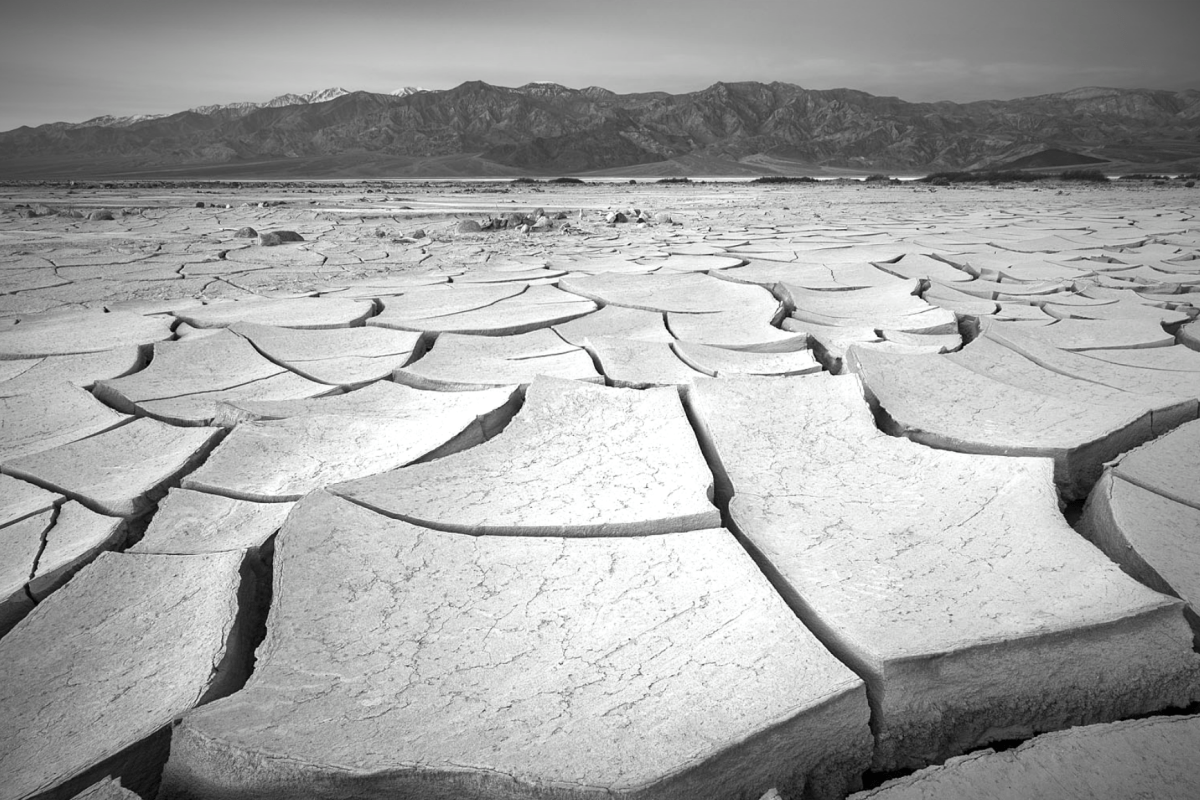
HOW TO THRIVE WHEN DRY
The reality of spiritual dry times—seasons of emotional barrenness, unanswered prayer, and a felt distance from God—is not a sign of spiritual failure, but an expected, refining piece of our journey. Understanding this is crucial for sustaining faith and leading local disciples through their own wilderness experiences.
Sandra, a church planter in a remote desert town, had carved out a life off-grid, powered by solar panels and water delivered from a deep well. The relentless rhythm of life, coupled with the demands of ministry, left her perpetually exhausted. Sundays, meant for rest, often became a blur of fixing a sputtering generator, hauling water to her filter, or preparing for the next week’s work. She longed for true Sabbath, a day when she wasn’t tethered to the grid. One scorching Tuesday, Sandra’s solar battery bank finally gave out. With no power, her fan that usually offered some respite from the heat lay still. Initially, panic set in. How would she manage? Yet, as the sun began to set, painting the desert sky in fiery hues, an unexpected peace settled over her. With no lights to work by, no internet to check, she was forced to simply be. She lit a small candle, poured a cup of lukewarm water, and read from her physical Bible. The next morning, she awoke refreshed, realizing that God had, in His wisdom, forced an “unplugged Sabbath.”
BIBLICAL REFLECTION ON DESERT PLACES
For pioneers, the wilderness is an unavoidable path of transformation, showing God’s faithful and sufficient presence even in barren places. Throughout biblical history and among God’s people, spiritual dry times are a normal, recurring pattern, often initiated or permitted by God for His sovereign purposes. These periods may be marked by a lack of perceived spiritual vitality or tangible fruit.
Dry Seasons are Normal and Necessary. Just as the Bible uses geographical landscapes to symbolize the human soul, so too does it present the desert and wilderness as metaphors for periods of spiritual hardship. During these seasons, our usual comforts are removed, compelling us to depend entirely on God. The wilderness is a place where God purposefully guides His people, intending to refine their faith, cultivate humility, and detach them from worldly attachments. These challenging periods are often a necessary precursor to fulfilling promises or entering into service. (Deuteronomy 8:2; Psalm 63:1; Hosea 2:14)
God Allows our Souls to Experience Desert Places. At times, God intentionally leads His people into emotional, relational, spiritual, or geographical “desert places.” These periods serve to draw us closer to Him and reveal hidden idols. (Mark 1:12-13)
- Offering Renewal, Rest, and Retreat: The wilderness, despite its challenges, often serves as a place where God revitalizes the soul and renews strength after periods of intense effort or exhaustion. This pattern is evident even in the life of Jesus, who frequently withdrew to solitary places to commune with God (Isaiah 40:31; Mark 6:31; Luke 5:16; Matthew 14:23).
- Refining Us Through Stripping Away: During periods of spiritual dryness, pioneers are compelled to shed self-reliance and lean entirely on God’s sufficient grace, rather than their own strength or accomplishments. (2 Corinthians 12:9-10; James 4:10; 1 Peter 1:6-7)
- Sustaining Endurance and Growing Hope: The Bible encourages missionaries to recognize that dry seasons, though challenging, have a God-given purpose and an eventual end (James 1:2-4). This understanding prevents quitting due to discouragement. We are commanded to “not become weary in doing good” because at the proper time we will reap a harvest if we persevere (Galatians 6:9; 1 Corinthians 15:58) and run “with endurance the race that is set before us, looking to Jesus, the founder and perfecter of our faith” (Hebrews 12:1-2).
Many have Endured the Wilderness Before You. The most significant figures in biblical history spent prolonged periods in the spiritual desert, proving that the greatest callings are forged in barrenness.
- Moses: He spent forty years in the desert of Midian as a shepherd after fleeing Egypt, being stripped of his Egyptian identity and educated by God before his prophetic ministry began. (Acts 7:30)
- The Israelites: An entire nation spent forty years in the wilderness, learning dependence on God for everything (food, water, direction).
- Elijah: After a spectacular victory, he fled in exhaustion and despair, finding refuge, provision, and a new directive from God in the wilderness. (1 Kings 19:4-8)
- Jesus: Before beginning His public ministry, Jesus was led by the Spirit into the Judean wilderness to face temptation and testing His dependence on the Father. (Mark 1:12-13)
God Meets His People in Desert Places. Spiritual dry spells are incredibly valuable because of what God achieves through them. Rather than being a place of abandonment, the wilderness is a classroom where character is formed, and intimacy with God deepens. The biblical wilderness is characterized by two assurances: God’s presence and His provision. Even if we feel spiritually parched, the objective reality is God’s closeness and unfailing support.
- God is Present in Barren Places. God promises His presence in the wilderness, transforming desolate landscapes into opportunities for growth and deeper reliance on Him. Even when God seems silent or hidden, He guarantees His steadfast companionship, reminding us that we are never truly alone in our journeys. (Deuteronomy 8:3; Isaiah 43:19-20; Hebrews 13:5)
- God Provides for Us in the Wilderness. God provides precisely what is needed, often in ways that defy natural explanation, to teach dependence on His Word alone. Be aware of the “manna” as God supplies small, seemingly insignificant acts of provision, comfort, or kindness that God has placed in your path. He is the Bread of Life. (Deuteronomy 8:3; Psalm 78:15-16)
- God is like a life-giving oasis or stream in a barren desert. As we draw close to Him, He brings refreshment and vitality even in the most desolate and darkest circumstances. He is the Living Water (Isaiah 43:19-20, John 4:10, Revelation 21:6). His presence satisfies our deepest thirst and renews our spirits (Psalm 42:1-2, Jeremiah 2:13).
Draw from the Well when in Desert Places. Just as physical deserts lack vital resources, so too do spiritually barren seasons. Pioneers often experience a deep draining of their souls, mirroring the challenging environments they serve in. Yet, even in the most desolate spiritual dryness, there is an inexhaustible source of satisfaction—not a place, but a Person. When parched and thirsty, we must run to Jesus and fully embrace all that He is for us, to us, and with us. Jesus is the wellspring of life, wisdom, healing, and filling. He is a deep well that never runs dry and will always flow through our souls to bring us back to a place of joy strength. The dryness in our souls does not diminish God’s ability to rain. (John 7:37-39; Isaiah 12:3; Numbers 21:17-18; Nehemiah 8:10)
Wilderness isn’t forever. Spiritual dryness isn’t a permanent state; it’s a season (Psalm 30:5). God promises that we will not remain in the desert, but when He is done, He will lead us out. As Psalm 23:2-3 says, “He leads me beside still waters, He restores my soul.” Ultimately, He will lead us to green pastures and an eternal home where a river flows through it and His radiance is the sun that lights the most glorious place (Revelation 21:23, 22:1-5).
- What other Scriptures or biblical aspects come to mind when you consider “desert places”?
“Remember how the Lord your God led you all the way in the wilderness these forty years, to humble you and to test you in order to know what was in your heart….” — Deuteronomy 8:2
IMPORTANCE OF THE DESERT PLACE & THE PIONEER’S RESPONSE
For pioneer missionaries, effectively navigating periods of spiritual dryness is crucial not only for their own spiritual well-being but also as a compelling testimony to unreached people. Here are other things that desert places can produce:
Sustains Endurance: Knowing the dry season has a purpose prevents the missionary from giving up too early due to discouragement or burnout, allowing for the patience needed to see long-term fruit (Galatians 6:9).
Increase Confession and Relational Vulnerability. The Scriptures encourage the missionary to reject the lie of isolation by being transparent with trusted community members and God Himself. We must confess weakness and intentionally share our lament (not despair) with trusted local leaders and teammates. This honesty teaches local disciples that faith is steadfast obedience, not perpetual feeling, and that enduring faith includes authentic vulnerability. The missionary models that enduring faith requires community support and transparency, showing others that resilient faith includes honesty with God about spiritual fatigue. (Psalm 13:1-2)
Authentic Witness to Seekers: When a missionary models how to walk through dryness with the Lord—by confessing weakness, leaning on Scripture, and seeking community—it teaches local observers that faith is steadfast obedience, not perpetual feeling.
Walking with Disciples: A pioneer can intentionally share their lament with trusted local disciples and leaders, normalizing the spiritual struggle and demonstrating that faith endures. This is vital when their own faith is persecuted, or they feel abandoned by God.
The wilderness (midbar in Hebrew) is a powerful, recurring theme in Scripture. It is presented not merely as a barren geographic location, but as a place of spiritual testing, profound loneliness, and concentrated encounter with God. For pioneer missionaries, the wilderness experience is an expected, defining stage of their calling.
PRAYER ACTION
Consider the Scriptures you cling to above. Consider your dry seasons. Write a prayer for the kind of person you want to be when in a spiritual wilderness.
REFLECTIONS ON BUILDING A PRACTICAL MINI-THEOLOGY OF DESERT PLACES
Take some time to prayerfully draft your practical mini-theology of “desert places” by responding to these questions:
- What are the desert places or wildernesses in our spiritual journey? What does it mean to wander? How does God meet with His people in these places? What would it look like if we welcomed the desert?
example: God is… We are the kind of people who… It is most like us/me to… We/I will… We/I hold to…
- How do we stay true to our mission in difficult places? How do we stay connected to our Lord in these places? Which spiritual discipline (prayer, Scripture, lament, Sabbath) do you find yourself neglecting most often during dry times? How can you frame that discipline as your necessary “stream in the wasteland”?
- Where in your life do you feel the greatest lack right now (e.g., emotional connection, peace, energy, clarity)? What lies about God’s faithfulness or goodness does this dry season tempt you to believe? What specific Scripture will you use as a declaration of truth against that lie?
- Once you finish, share your responses with your mentor. Ask for feedback. Adjust your draft as needed.
- Complete a one-page practical mini-theology.
RESOURCES FOR GOING DEEPER:
- A Walk in the Wilderness, 30-Day Devotional, by J.T. Hutts
- Taking Comfort in the Wilderness, by Rachel Postler
- For those Making Pilgrimage Through Spiritual Landscapes, by Debbra Stephens
- Feeling Dry in Missions?, by Bill & Kristi Gaultiere
- Danger During Spiritual Dry Spells, by C.S. Lewis Institute
- What to Do When You’re Spiritually Dry?, by C. Anderson
- Walking through the Wilderness, by Byron Mandok
- God Where Are You?, with John Bevere


