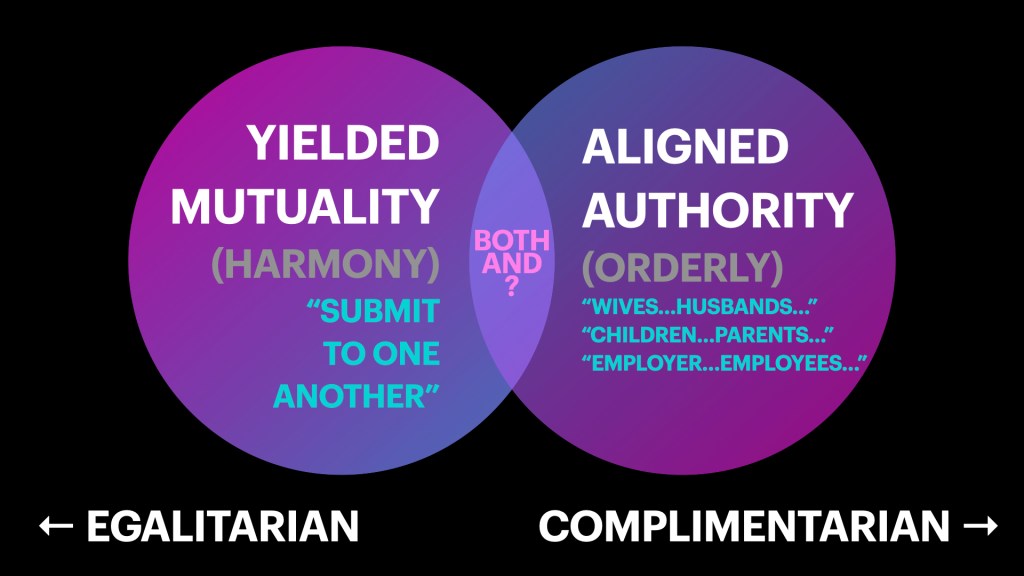
Others

WHY ARE WE BETTER TOGETHER

The small mission team in Northern Africa was a microcosm of the “one another” challenge. Amy, the meticulous planner, grew frustrated with Abe’s spontaneous, often chaotic, approach to ministry. Abe, in turn, found Amy’s rigidity stifling, feeling judged and rejected, and he often retreated. Their unspoken tensions, fueled by weariness and cultural stress, created a subtle but palpable chill that affected their joint work. They were physically together, but relationally drifting.

This internal friction inevitably bled into their interactions with locals. When a new disciple, Ahmed, struggled with consistency due to complex family obligations, Amy saw it as a lack of discipline; her “God-sight” was clouded by her own unmet expectations. Abe, while more empathetic, sometimes over-identified, failing to offer the gentle admonishment Ahmed needed. The team’s inability to fully “one another” internally made it harder to extend that same when discipling Ahmed, who sensed something was off.

Forming, storming, norming, and performing are the common stages of team development. Oftentimes, God puts together people who wouldn’t normally be friends and calls them to work together in the same field on the same mission. One anothering, maintaining peace, unity, and servant-heartedness become work in itself.

BIBLICAL REFLECTION ON COMMUNITY

The summons to “one another” is not merely a suggestion for harmonious living, but a divine imperative and a powerful witness. In the unique pressures of cross-cultural ministry, your relationships with teammates and local contacts are both your greatest resource and a crucial battleground. Understanding and actively living out the “one another” commands is essential for flourishing and effective ministry.

God models community and togetherness. Woven into the very fabric of God’s nature is a design for relational living over isolation. Community is a reflection of God Himself. God is not a solitary being but a communion of three co-equal Persons—Father, Son, and Holy Spirit—who exist in perfect, eternal relationship, love, and unity. This divine “togetherness” is the ultimate blueprint for all created community. (Deuteronomy 6:4; Matthew 28:19; John 17:21)

Man was created for relationships. From the beginning, God designed humanity for interdependence, declaring “It is not good for the man to be alone” (Genesis 2:18). This foundational truth extends profoundly into the Christian life, where believers are called into a spiritual family, the Body of Christ. We are not meant to operate as isolated units; our collective strength, wisdom, and witness are found in our unity and mutual service. (Ecclesiastes 4:9-10; Romans 12:4-5; John 13:35)

The Church is God’s redeemed community. The Church, the Body of Christ, is God’s primary means of demonstrating restored community on earth. It is a diverse assembly of individuals, united by the Holy Spirit through faith in Christ, called to live in active interdependence and mutual love. This spiritual family is meant to be a multiplying and living testament to the power of the gospel to reconcile and unite. (Romans 12:4-5; Ephesians 4:1-3; Acts 2:42-47)

God sends people together to demonstrate His heart. We believe that God calls us into His mission together, never alone. Biblical community is not an end in itself, but a means to flourishing and a powerful witness to the world. Jesus Himself, the ultimate missionary, consistently modeled team ministry. He didn’t send His disciples out alone, but in pairs. This was not merely a practical strategy but a reflection of God’s relational nature and the power found in unity. (Mark 6:7; Luke 10:1) The early church, empowered by the Holy Spirit, continued this pattern. The first recorded missionary sending from a local church involved a team, not an individual. (Acts 13:1-3; Philippians 4:3; 2 Corinthians 8:23)

Man is commanded to “one another.” The numerous “one another” commands in the New Testament provide a practical framework for Christian community and discipleship. They can be broadly summarized into four interconnected categories, each essential for healthy relationships and a powerful witness.

Love One Another. This is the overarching command that underpins all others. It is the defining characteristic of Christ’s disciples and the ultimate expression of our transformed lives. (John 13:34-35; Romans 13:8; 1 Peter 4:8; 1 John 4:7)

Bond with One Another. God calls His people to strive for unity, even amid divinely designed diversity in the Body. These commands emphasize the importance of maintaining peace, harmony, and a shared purpose within the Body of Christ, reflecting the unity of the Trinity. (Romans 15:7; Ephesians 4:2-3; Romans 14:19; Philippians 2:3)

Serve One Another in Humility. To need someone else is humbling. To ask for help is humbling. Not being able to do something alone is humbling. These commands call for a posture of lowliness, deference, and active servanthood towards each other, mirroring Christ’s example. (Galatians 5:13; Romans 12:10; 1 Peter 5:5; John 13:14)

Build Up One Another. The opposite would be to tear down and destroy, which is the strategy of the enemy. These commands focus on actively strengthening, supporting, and spurring each other on in faith and good works. (Hebrews 10:24-25; Romans 14:19; 1 Thessalonians 5:11; Galatians 6:2; Colossians 3:16)

Seek to See One Another as God Sees. To truly “one another,” we must cultivate “God-sight”—the ability to see fellow believers, even the unreached, as God sees them: as people created in His image, fallen yet redeemable, and deeply loved. This perspective moves beyond superficial judgments, cultural biases, or past offenses to recognize one’s inherent dignity and potential in Christ. It means looking beyond the “flesh” (their outward behavior or unrenewed nature) to the “spirit” (their created value and God’s handiwork). (1 Samuel 16:7; 2 Corinthians 5:16; Ephesians 2:10)

What other Scriptures or biblical aspects come to mind when you consider “others”? Take a few moments to look up 1-2 of these verses and journal what the Lord highlights for you.

“A new command I give you: Love one another. As I have loved you, so you must love one another. By this everyone will know that you are my disciples, if you love one another.” — John 13:34-35

THE IMPORTANCE OF ONE ANOTHERING

Actively practicing the “one another” commands is not optional; it is vital for the health of the missionary, the team, the nascent church, and the integrity of the gospel message.

Glorifying God: When believers live in unity and love, it brings glory to God, reflecting His own relational nature.

Witness a Redeemed Community: A loving, unified community is the most compelling argument for the gospel in a fragmented world. It demonstrates the transformative power of Christ in relationships.

Effective Discipleship: New believers learn how to live out their faith by observing and participating in healthy “one anothering.” It’s how the church matures and reproduces.

Overcoming Cultural Barriers: Intentional “one anothering” helps missionaries bridge cultural divides, fostering genuine understanding and empathy rather than judgment or isolation.

Spiritual Health and Resilience: Mutual encouragement, burden-bearing, and forgiveness within the team are essential for preventing disunity, combating spiritual warfare, and fostering long-term endurance.

PRAYER ACTION

Consider the Scriptures you cling to above. Consider the “one another” texts. Write a prayer for the kind of person you want to be for who considers others.

BUILDING A PRACTICAL MINI-THEOLOGY

Take some time to prayerfully draft your practical mini-theology of “others” by responding to these questions:

How am I to view others? What does it look like to have God-sight?

example: God is… We are the kind of people who… It is most like us/me to… We/I will… We/I hold to…

How am I to relate to my spiritual siblings and co-laborers? What does it mean to “one another”?

Why are we better together than alone? Why send out mission teams? Why is the way that a team loves, bonds, serves, and builds up a vital part of their work?

Once you finish, share your responses with your mentor. Ask for feedback. Adjust your draft as needed.

Additional Resources for Going Deeper:
Think Diversity, by Tracey West
What the One-Anothers Do, by Matt Ng
Escaping Enemy Mode, Jim Wilder
Why We Need Teams for the Missionary Task
The Critical Role of Relationships in Missions

WAYS WE “ONE ANOTHER” ON THE FIELD

“Checking In” with God: Throughout your day, practice briefly pausing and “checking in” with God about your current relationships, situation, feelings, or interactions. Ask Him, “How do You see this/them?” or “What is Your perspective?” or “What needs to change in me to “one another” better?”

Scripture as Lens: Immerse yourself in the Bible, not just for information, but to understand God’s character, His ways, and His perspective on life and people. This grows God-sight. The more you know Him, the more your thoughts will “rhyme” with His. This is contrasted with “earth’s eyes,” which tend to focus on agitation, blame, and a limited human perspective.

Make One Anothering Who You Are. “One anothering” is not hypothetical, but to be actual in our family, team life, local relationships, and discipleship. Here are some ways:

Among a Team:

Encourage One Another (Hebrews 10:24-25): Regularly affirm teammates’ efforts, celebrate small victories, and speak words of life.

Bear One Another’s Burdens (Galatians 6:2): Actively listen to struggles, offer practical help (e.g., childcare, errands, covering duties during illness), and pray specifically for each other’s challenges.

Forgive One Another (Colossians 3:13): Humbly address conflicts, extend grace quickly, and refuse to hold grudges, understanding that living in close quarters will inevitably lead to offenses.

Serve One Another (Galatians 5:13): Look for opportunities to help out, share responsibilities, and put teammates’ needs before your own, even in mundane tasks.

Be Patient with One Another (Ephesians 4:2): Recognize that everyone is under pressure and adapting, extend grace for cultural missteps, language struggles, or personality quirks.

Among Local Contacts and New Believers:

Accept One Another (Romans 15:7): Embrace new believers and seekers from diverse backgrounds, welcome them into fellowship without imposing unnecessary cultural or social barriers.

Teach and Admonish One Another (Colossians 3:16): Share biblical truth, disciple patiently, and offer gentle correction, allowing God’s Word to shape their lives.

Serve One Another (Galatians 5:13): Model Christ’s servant heart by meeting practical needs in the community, demonstrating love through action, and empowering local believers to serve their own people or you too.

Pray for One Another (James 5:16): Regularly pray with and for local contacts, demonstrating dependence on God and sharing the burden of their spiritual and physical needs.

Show Hospitality to One Another (1 Peter 4:9): Open homes and lives to share meals, stories, and fellowship, building genuine relationships that transcend cultural differences.

By diligently practicing these “one another” commands, pioneer mission workers not only build healthy teams and healthy churches but also powerfully display the transformative love of Christ to a world desperately in need of true community.

Self

WHO AM I, AND WHY SHOULD I CARE

Tough, isolated, off-grid, among some of the most unreached people on earth. Going where no one has gone before. Building on no man’s foundation. This is the ideal location for a pioneer mission worker. 

Tom lived in a remote village of a significant tribe on the southern fringe of the Sahara alone for months. He was in the throes of learning his third language, partnering part-time on a community development project, and traveling away from his wife and small kids who were homeschooling and fielding neighbors’ demands. He was clocking 60-80 hours of work per week and still not feeling like he was doing enough. His family was struggling, and his health was diminishing. He felt anxious, weary, and guilty, but couldn’t see an alternative.

Tom’s identity was tied tightly to the place, platform, and people group around him. To be connected to the Person of Christ or his God-given roles as husband and father seemed less fulfilling or urgent. This led to deep disappointment and an identity crash, especially when the work was pulled out from underneath him and he was forced to leave the field as his wife became severely unwell. Instead of offering her compassion, he stewed angrily because he wasn’t where he wanted to be, even though it was a perfect moment to reset. Up until then, Tom had thought to himself, “I am a hardworking and faithful missionary. I am giving myself to the mission. Self-care is selfish. It can’t be biblical. Isn’t it the opposite of living by faith? I’m called to be a living sacrifice.” 

BIBLICAL REFLECTION ON IDENTITY

Our true self and identity are fundamentally defined by God, not by our accomplishments, failures, feelings, or the opinions of others. This identity is established in two primary ways:

Created in God’s Image (Imago Dei). From the very beginning, humanity was uniquely fashioned in the likeness of God, endowing every person with inherent dignity, worth, and a capacity for relationship with Him. This is the foundational truth of who we are. (Genesis 1:27; Psalm 139:13-14)

True Identity as a new creation in Christ. For believers, our identity is radically transformed through salvation. God gives us a new identity. We are no longer defined by sin or our past, but by our connection with Christ. We are redeemed by the blood of Christ, reconciled with God, and regenerated to new life. (2 Corinthians 5:17; Ephesians 4:22-24)

Beware of false or secondary identities. In contrast to true identity in Christ, humans can take on “false” or “secondary” identities. These are derived from other sources, human performance, lies from the enemy, or sinful patterns, and they ultimately fail to provide lasting security, worth, or fulfillment. They become problematic when they replace or overshadow one’s primary identity in Christ. False identities can include:

Performance/Achievement: Defining oneself by success, career, ministry results, or status. (Example: “I am a [adjective] [title].”) This identity is fragile, especially when success wanes, career ends, or ministry doesn’t produce visible fruit. It leads to pride in success and despair in failure. (Galatians 6:14)

Possessions/Sensations: Defining oneself by what one has or doesn’t have. (Example: “I am wealthy,” “I am comfortable,” “I am secure.”) Stuff is fleeting and cannot provide ultimate security or satisfaction. (Luke 12:15)

Relationships/Approval: Defining oneself by what others think, by eye-service, or by one’s role in a relationship. (Example: “I am accepted/rejected,” “I am important to this person/group.”) Human approval is fickle and unreliable. It leads to people-pleasing, fear of rejection, and a constant striving for external validation. (Galatians 1:10)

Suffering/Victimhood: Defining oneself primarily by past hurts, trauma, or perceived injustices. While acknowledging pain is important for healing, allowing it to become one’s core identity can hinder growth, forgiveness, peace, and restoration. (Romans 8:1; Philippians 3:13-14)

Nationality/Ethnicity: While cultural identity is God-given and good, it becomes a danger when it defines one’s worth or creates division within the Body of Christ. It can lead to pride, prejudice, and a failure to see all people as equally made in God’s image and equally in need of Christ. (Galatians 3:28)

These false identities are menacing because they are unstable, prone to collapse, and ultimately distract us from the true, secure, and eternally satisfying identity found only in Christ. This means your worth is not tied to the number of disciples, the success of a project, or how well you navigate cultural complexities in the field. Your identity is securely established in who God says you are in Christ.

What other Scriptures or biblical aspects come to mind when you consider “identity and self”? Take a few moments to look up 1-2 of these verses and journal what the Lord highlights for you.

“Therefore, if anyone is in Christ, the new creation has come: The old has gone, the new is here!” — 2 Corinthians 5:17

THE IMPORTANCE OF CARING FOR SELF

Pioneers navigating the unique demands of serving among the unreached, understanding your “self” and anchoring your “identity” is not a luxury, but a spiritual imperative. The mission field, with its intense pressures, cultural dislocations, and spiritual battles, can profoundly challenge one’s sense of self. True identity and self-care are essential for long-term health and effectiveness. 

What God says about who you are. If you are in Christ, you are adopted as God’s children, heirs with Christ, and citizens of His Kingdom. (2 Corinthians 5:17; Galatians 3:26-28; Ephesians 4:22-24; Romans 8:15-17; John 1:12; 1 John 3:1) You are forgiven, righteous, and holy in Christ. (Ephesians 1:7; 2 Corinthians 5:21; Colossians 1:22) You are chosen, beloved, and called by God. (Ephesians 1:4; Colossians 3:12; 1 Peter 2:9; Romans 8:28)

Self-care as stewardship. Caring for oneself is not inherently selfish, but a biblical principle rooted in stewardship and sustainability for God’s glory. Our bodies, minds, and spirits are temples of the Holy Spirit, entrusted to us by God. Essentially, self-care is about stewarding your life and heart through the intentional pursuit of healthy, life-giving, and restorative practices and rhythms that strengthen our love for God and others. (1 Corinthians 6:19-20; Mark 6:31; Matthew 22:39; Psalm 23:2-3; Psalm 90)

Care for self increases care for others. Pioneers, like any Christian, care for themselves not just for their good, but so that they can also care for others. We do not serve others at the expense of our health and joy. The Scripture says, “love the Lord your God with all your heart, mind, soul, and strength, and love your neighbor as you love yourself.” Many times, we either miss the last word “yourself” or overvalue it. 

Care for whole self. God designed us as complex, whole persons (Psalm 139:13–16). We do not—like a computer or machine—consist of parts, but encompass spiritual, physical, mental, emotional, psychological, and relational aspects in our intricate design. When we take care of ourselves, we mustn’t target one aspect of ourselves. We need to take a holistic approach to self-care. When we care for ourselves, we express worship and gratitude to God. He gave us our ears, brains, smiles, tears, hearts, and lungs (Romans 11:36). We don’t treat our bodies as worthless and useless, but we treat ourselves with kindness as an act of gratitude to God, like the psalmist who said, “I praise You, for I am fearfully and wonderfully made. Wonderful are Your works; my soul knows it very well.”

Jesus’ invitation to take care.  In John 7:37, Jesus invites those who are thirsty to come to him and drink. This is not passive but active on behalf of the one who thirsts. In John 1, Jesus calls the disciples to ‘come’ so that they could see. In Matthew 11:28-30, the disciples are asked, ‘Are you tired? Worn out? Burned out on religion? Come to me. Get away with me and you’ll recover your life. I’ll show you how to take a real rest. Walk with me and work with me—watch how I do it. Learn the unforced rhythms of grace…I won’t lay anything heavy or ill-fitting on you. Keep company with me and you’ll learn to live freely and lightly.’ These are invitations to care for oneself by meeting with God. Even Jesus gave himself time and encouraged His disciples to rest and pray amid a life of self-sacrifice (Matthew 14:13; Mark 6:30-32).

Neglecting self-care or losing sight of one’s identity in Christ can have harmful consequences for missionaries and their ministry. However, practicing care for self in a healthy way:

Maintains Holistic Health: A healthy sense of self and consistent self-care practices guard against depression, anxiety, bitterness, and spiritual dryness, enabling sustained intimacy with God.

Enhances Effectiveness and Authenticity: A well-cared-for missionary is more resilient, joyful, empathetic, and capable of serving effectively. Authenticity in sharing struggles (when appropriate) and modeling healthy Christian living is a powerful witness.

Applies One-Anothering: We put into practice the “one anothers” by not only taking care of them but also taking care of ourselves. When we take care of ourselves, we can better serve our spouse, child, neighbors, co-workers, and local disciples.

Defends the Enemy’s Arrows: The enemy often targets a missionary’s identity and well-being through lies, discouragement, and temptation. Standing firm in one’s identity in Christ and practicing self-care are vital defenses.

Models Discipleship: New believers need to see what healthy, sustainable Christian living looks like, especially in demanding contexts. Missionaries.

Mitigates Burnout and Attrition: The relentless demands of cross-cultural ministry, spiritual warfare, and isolation can quickly lead to weariness, cynicism, and departure from the field. Self-care is a preventative measure for long-term endurance.

If we don’t live out our true identity as blood-bought beloved children of God, we will live out some other inferior identity. This will cheat us out of the fullness of life.

PRAYER ACTION

Consider the Scriptures you cling to above. Consider your identity. Write a prayer for the kind of person you want to be, who lives in their true identity.

BUILDING A PRACTICAL MINI-THEOLOGY OF SELF AND IDENTITY

Take some time to prayerfully draft your practical mini-theology of “self” by responding to these questions:

Who am I in Christ? What is my true identity? What identities are primary or secondary? Why should I be concerned about false identities?

example: God is… We are the kind of people who… It is most like us/me to… We/I will… We/I hold to…

What is the proper view of self? What is an improper view of self?

Why should I care about self? What is biblical self-care amid the tension of self-sacrifice?

Once you finish, share your responses with your mentor. Ask for feedback. Adjust your draft as needed.

Additional Resources for Going Deeper:

WAYS WE CARE FOR SELF ON THE FIELD

Self-care on the mission field is often intentional, disciplined, and sometimes creative, adapting to local realities:

Preach the Gospel to Self: Preaching the gospel to yourself daily is vital because it continually grounds your identity in Christ, fuels your spiritual resilience, and motivates grace-driven obedience, reminding you of God’s unwavering love and forgiveness amid life’s challenges.

Develop Identity Statements: Reflect on who you/we are in Christ often with yourself and your people. It is good to remind one another who you/we are frequently.

Prioritize Regular Sabbath/Rest: Intentionally set aside a day for rest, worship, and non-ministry activities, even if it means saying “no” to perceived opportunities.

Maintain Connection with God: Ensure consistent, unhurried time in prayer, in Scripture, and in worship, distinct from ministry preparation.

Create Healthy Spaces: Establish clear boundaries between work and rest, ministry, family, and personal space. Communicate these to team members and local contacts.

Physical Well-being: Be intentional to eat nutritious food (even if limited options), get adequate sleep, and engage in regular physical activity (e.g., walking, stretching, sport).

Process Stress and Trauma: Actively seek out trusted mentors, supervisors, debriefers, or counselors (remotely or in person) to process the emotional and spiritual toll of ministry and cultural living.

Pursue Hobbies and Recreation: Engage in activities that bring joy and refreshment, whether it’s reading, painting, playing music, hiking, or connecting with nature. (See Many Beautiful Things)

Maintain Home Connections: Strategically connect with family and a sending church for encouragement, prayer, and a reminder of their broader support network.

Schedule Breaks: Take planned retreats on the field and periods away from the field for rest, debriefing, and reconnecting with God and people outside your normal context.

Caring for yourself and securing your identity in Christ is not a selfish indulgence, but a sacred responsibility. It is the stewardship of God’s precious temple within you, enabling you to glorify Him personally and serve effectively for the long haul among the unreached.

Excellence

WHEN IT’S ALL FOR GOD’S GLORY

It was in the third year when the novelty of field life had long worn off, that the temptation to “just get by” became a daily whisper. The local language was still a struggle, and the pioneer thought to herself, “Why spend an extra hour on grammar when I could just use simpler phrases and hope to be understood?” The community project that Mary was overseeing was functional, but far from the gleaming “It works, doesn’t it?” her mind would rationalize. “It’s better than nothing. God will bless the effort, even if it’s not perfect.” 

Mary found herself cutting corners on administrative tasks, monthly prayer updates, and sometimes, letting her quiet times become hurried or slipped altogether. The fatiguing heat, the constant demands, the slow pace of everything, and the seemingly impenetrable spiritual apathy of some villagers chipped away at her resolve. She saw other workers, some who seemed to thrive, and others who were enduring. The line between “faithful perseverance” and “bare minimum survival” blurred. 

One sweltering afternoon, after a particularly frustrating attempt to explain a Bible story to a local friend, Mary slumped against a mud-brick wall, feeling weary. “What’s the point?” she muttered. “I’m not good at anything here. I’m just… getting by. And who am I doing this for, anyway? Is it really for God, or just to keep my support going?”

The pursuit of excellence can become more about performance and less about devotion, a daily act of worship. The pioneer realized that excellence wasn’t about the outcome, which was God’s to give, but about the heart she brought to the task. It wasn’t about being perfect, but about offering her very best—her diligent effort in language, her care for her project, her patient presence with a curious neighbor—as an act of worship to an excellent God.

BIBLICAL REFLECTION ON EXCELLENCE

God is the ground of all true excellence. He is the one who fills any definition of excellence with meaning, and he is the reason why we cannot be content with lackluster mediocrity, halfhearted effort, or substandard service.

God is excellent in every way. God’s excellence is not merely one of His attributes; it’s an overarching quality that permeates and defines all of who He is and everything He does. It signifies His supreme and inherent superiority, perfection, and unparalleled quality in every aspect of His being and character. (Psalm 8:1; 145:3; Deuteronomy 32:4; Hebrews 1:3; 2 Peter 1:3-11)

Man’s chief end is to glorify God and enjoy Him. We are created to reflect God’s image and to declare His praises. When we live in obedience, worship Him, and make Him known, we participate in the unfolding of His glory. (Psalm 73:25-26; Isaiah 43:7; Romans 11:36; John 15:11)

“Doing all for the glory of God” is a central, transformative principle of any follower’s life. It means that every single aspect of our existence—our thoughts, words, actions, relationships, work, mundane tasks, and even our leisure—is intentionally directed towards magnifying God’s inherent worth, character, and splendor. It’s not about adding to God’s glory (as He is already infinitely glorious), but about reflecting, displaying, and acknowledging His supreme value to the world. (1 Corinthians 10:31; Colossians 3:17; Matthew 5:16)

God deserves the first and best. We should strive for excellence, knowing that our best only happens when God does it with us. When Abel brought his first and best, God was pleased. In the Psalms, King David asks musicians to employ their highest skill as they make sacred music. The prophet Malachi demands that the priests and people alike bring their finest offerings to worship. Jesus praises the woman who anoints him with rare and expensive oil. Excellence insists that we bring our first and best because when we do that it honors and pleases God. (2 Timothy 2:15; Philippians 1:9-10; Romans 12:6-8)

Excellence is fueled by grace not fear. Perfection is the idea of being without flaw or error. It often implies an unattainable or idealized standard—one that, if we are not careful, becomes more about appearance than substance. Perfection often produces fear. Excellence, on the other hand, is about doing your best with what you have. Excellence is grace-based. It is rooted in intentionality, care, and growth—not in being flawless, but in being faithful. We aim for excellence not to win applause or check every box—but to honor God, serve others well, and steward our callings with care. (Colossians 3:23; Ecclesiastes 9:10)

Biblical excellence is not a self-serving ambition but a God-centered devotion. It is the practical outworking of a heart committed to glorifying God in all things. By striving for diligence, integrity, and quality in every facet of our lives—from the most public ministry in the field to the most private thought—we become living testimonies to the character of our excellent God, drawing others to Him and fulfilling the very purpose for which we were created.

What other Scriptures or biblical aspects come to mind when you consider “excellence”? Take a few moments to look up 1-2 of these verses and journal what the Lord highlights for you.

“let your light shine before others, that they may see your good deeds and glorify your Father in heaven.” — Matthew 5:16

THE IMPORTANCE OF EXCELLENCE

In contexts where people have little to no knowledge of Christ, missionaries are often the primary, if not sole, visible representation of God. If a missionary’s life or work is characterized by mediocrity, inconsistency, or a lack of integrity, it can inadvertently communicate that the God they serve is likewise unremarkable, unreliable, or not truly worthy of devotion.

Pursuing excellence for God’s glory on the mission field isn’t about personal achievement; it’s about making God look as good as He truly is, drawing people to Him, and ensuring that His name is honored among those who have never heard.

Honors God’s Character: God Himself is a God of excellence, order, and beauty. Our striving for excellence in our work and character reflects His nature and pleases Him.

Dignity of God’s Work: The mission is God’s mission, and it deserves our utmost effort. The label of “Christian” is not an excuse for poor workmanship—in fact, it is the exact opposite. Because we report to a higher authority, we seek to serve Him with the highest-quality work possible. God asks us for our best work, not the best “Christian” version of our work. Our commitment to excellence reflects the infinite worth and majesty of the One we serve. (Titus 2:7-8; 2 Timothy 2:15; Romans 12:6-8)

Credibility and Witness: In contexts where the gospel is unfamiliar or misunderstood, the quality of your life and work speaks volumes. Shoddy work, inconsistency, or a lack of diligence can undermine your message and discredit the God you represent. Excellence builds trust and demonstrates the transformative power of Christ. Our “good deeds” lead others to “glorify your Father in heaven” (Matthew 5:16).

Stewardship of Gifts and Resources: God has entrusted each pioneer with unique gifts, skills, time, and financial resources. Excellence is about being a faithful steward, maximizing the impact of what God has given you for His Kingdom purposes (Matthew 25:14-30).

Love for Neighbor: Doing things poorly can actually harm those you serve. Excellence, conversely, is an expression of genuine love and respect for the people you are ministering to, ensuring they receive the best possible care, teaching, and service. We don’t patronize those around us. As children of the King, we don’t give scraps and leftovers, but we honor one another as princes and princesses of the High King.

Combating Misconceptions: In some cultures, “Christian” might be associated with laziness or inefficiency due to past negative examples. Your excellence can challenge these stereotypes and present a counter-narrative. Excellence in your work inevitably leads to greater influence and that influence can create a significant impact for the Kingdom.

The call to excellence is not about seeking perfection or striving for accolades, but about reflecting the character of our God in every facet of your life and ministry. It is an act of worship, a powerful witness, and an essential component of an effective mission.

PRAYER ACTION

Consider the Scriptures you cling to above. Consider excellence. Write a prayer for the kind of person you want to be for the glory of God.

BUILDING A PRACTICAL MINI-THEOLOGY OF EXCELLENCE

Take some time to prayerfully draft your practical mini-theology of “excellence” by responding to these questions:

What does it mean to live for the glory of God? How can this become one’s deepest motivation?

example: God is… We are the kind of people who… It is most like us/me to… We/I will… We/I hold to…

Why do excellence and giving your best matter? What does it look like to give your best or your all for God? How would you want someone from the local community to describe your life and work?

Consider areas of ministry or daily life (e.g., language learning, platform ministry, outreach, discipleship, team, servant leadership). How do you ensure that the quality of your work, whether visible or behind the scenes, reflects the excellence of the God you serve? How do you ensure that your “good deeds” are truly seen as an overflow of God’s love through you, rather than just human effort or a means to an end?

Once you finish share your responses with your mentor. Ask for feedback. Adjust your draft as needed.

Additional Resources for Going Deeper:
Excellence, by Andreas Köstenberg
Recovering Perfectionist, by Alysha Clark
Pursuit of Excellence, by The High Calling
Let the Nations Be Glad, by John Piper

WAYS WE DEMONSTRATE EXCELLENCE

Excellence in the mission field permeates every area, often in ways that are deeply practical and relational:

Language Learning: Committing to the study of the language, striving for fluency, not just basic communication. This shows respect for the local people, enables deeper connection, minimizes misunderstandings, and more precise gospel proclamation in people’s heart language.

Cultural Engagement & Gospel Proclamation: Carefully studying the local worldview to understand points of connection and barriers to the gospel, developing culturally appropriate ways to share the message, and patiently answering questions. It means being prepared to articulate the hope you have (1 Peter 3:15). It ensures the gospel is being understood, minimizes unnecessary offense, and maximizes its impact by presenting truth in a way that resonates with the local culture. This involves humility and a willingness to learn, demonstrating genuine love.

Stewardship of Resources: Exercising care, integrity, trustworthiness, and transparency with financial resources, property, and people. It honors God’s provision, builds trust with both supporters and local communities, and removes any potential stumbling block that could discredit the gospel.

Intentional Discipleship and Leadership Development: Not just leading people to Christ, but diligently investing in their spiritual growth, equipping them to understand Scripture, training them to lead, and empowering them to take ownership of the local church and mission. It fulfills the call to “make disciples” (Matthew 28:19-20) and ensures the long-term sustainability and indigenous growth of the church.

Practical Skills and Community Development: If involved in medical work, agriculture, education, or other community projects, performing these tasks with high standards of quality, reliability, and sustainability, reflects God’s order and care.

Personal Character and Habits: Maintaining personal integrity, humility, emotional resilience, physical hygiene, and a strong work ethic. This includes keeping commitments and demonstrating self-control in all areas of life.

Prayer Life: Cultivating a consistent, fervent, and strategic prayer life, recognizing that this is the most excellent way to partner with God.

In every act, from the mundane to the miraculous, the pioneer mission worker’s pursuit of excellence is a living sermon, declaring the glory of the God who is Himself excellent in all His ways. It is a commitment to honor Him by giving nothing less than their very best.

Battle

WHEN THE UNSEEN REALM IS FIERCE

Our neighbors in a remote village in Northern Africa had paid a local marabou (witchdoctor) to throw a curse on our family and home. We felt an oppressive weight and our kids began experiencing night terrors. We had little teaching or frame of reference for this type of spiritual battle.

Before going to the mission field, I was aware that I had an enemy who would mess with the mission and the workers. However, I naively put those thoughts into a spiritual attic afraid to touch them. So they collected dust until I went to the field, and I was confronted by the battle from the frontlines. It wasn’t too late to learn, but I wished that I had known more about my spiritual armor and the spiritual battle that my family would plunge into.

Most soldiers undergo boot camp before deploying to the field. When we go to the mission field, we can expect the spiritual battle to be fierce and the enemy to use a variety of tactics to inflict fear, distraction, discouragement, or defeat. 

BIBLICAL REFLECTION ON THE BATTLE

Pioneer mission workers on the frontlines among the unreached understand that the spiritual battle is not an abstract theological concept, but a reality of daily ministry. They are not merely engaging with people and cultures; they are confronting unseen forces that resist the advance of God’s Kingdom. 

God oversees an active unseen realm. The Bible unequivocally teaches that there is an unseen realm populated by spiritual beings, both good and evil. This realm has existed since before the creation of man. While God is sovereign and supreme, He allows a real, active, and fierce foe to operate in this world—Satan and his demonic forces. These entities are not mere metaphors for evil; they are intelligent, malevolent beings dedicated to opposing God and His redemptive purposes.

  • Man’s battle is physical and spiritual. (Ephesians 6:12)
  • Satan is a cunning and predatory adversary. (1 Peter 5:8)
  • Satan’s main strategies are isolation (Genesis 3:1), lies (John 8:44), temptation (2 Thessalonians 3:5), and accusation (Revelation 12:10),
  • Spiritual enemies don’t just play around with us, they seek to deceive and destroy us (John 8:44) 
  • Satan is not the sole problem. Our world and our flesh are also part of the problem. (Ephesians 2:1-3)
  • God is more powerful than any enemy. God has all enemies on a tight leash. (Genesis 3:15; Colossians 2:15)

God’s enemy is always actively trying to thwart God’s plan and people. The enemy doesn’t sleep. He is relentless. He is powerful and effective as he has been at his craft for a very long time. This foe actively blinds the minds of unbelievers (2 Corinthians 4:4), sows discord, tempts believers (1 Thessalonians 3:5), and seeks to hinder the Gospel (1 Peter 5:8). In unreached areas, where the Gospel has not yet penetrated, these forces often hold significant sway, manifesting in various forms of spiritual darkness. As evil as these forces are, God uses them ultimately for His purposes.

God gives victory for today and ultimately. Despite the fierceness of the foe, the overwhelming truth of Scripture is that God has already secured victory through Jesus Christ. Our role is not to achieve victory, but to enforce the victory already won.

  • Christ’s death and resurrection were the decisive blow against Satan’s scheme. (Colossians 2:15)
  • Jesus came specifically to undo the works of the devil. (1 John 3:8)
  • Believers participate in Christ’s victory through His atoning work and their faithful witness. (Revelation 12:11; Romans 16:20)

Our confidence amid spiritual warfare comes from Christ’s finished work, not from our own ability to fight. We engage from a position of victory, not striving for it.

God gives spiritual armor for protection and defense. God gives each believer everything they need to defend and fight well. Since the enemy is relentless, we must put on the armor of God every day. (Ephesians 6:10-18; 2 Corinthians 10:3-5; James 4:7; Luke 10:19) We do not engage in spiritual warfare in our own strength but rely on the authority and power of Christ who lives in us. Our role involves:

Putting on the Full Armor of God: This is not defensive gear to ward off attacks, but offensive equipment for standing firm in Christ’s victory. Each piece represents a spiritual truth and discipline (Ephesians 6:13-18).

Wielding the Sword of the Spirit (God’s Word): The truth of Scripture is powerful and active, capable of discerning thoughts and intentions, and is our primary offensive weapon (Hebrews 4:12, Ephesians 6:17).

Engaging in Strategic Prayer: Prayer is how we access and apply God’s power in the spiritual realm, binding demonic activity and releasing God’s will (Ephesians 6:18, Matthew 18:18).

Standing Firm in Faith: Our faith in Christ’s finished work is our shield against the enemy’s fiery darts (Ephesians 6:16).

Proclaiming the Gospel: The Gospel itself is the ultimate weapon against the kingdom of darkness, bringing light where there is blindness and freedom where there is bondage (Romans 1:16).

Actively Fighting Sin and the Sark. Sometimes we are the biggest problem in the battle. We fight against the remnants of our flesh. We fight against the remnants of our flesh (sark) and old sinful self while seeking to be a new creation in Christ. I need Christ’s power to help me to live like Him. (Galatians 5:17-21; Romans 7:18; Ephesians 4:22-24)

What other Scriptures or biblical aspects come to mind when you consider the “spiritual battle”? Take a few moments to look up 1-2 of these verses and journal what the Lord highlights for you.

“Be alert and of sober mind. Your enemy the devil prowls around like a roaring lion looking for someone to devour. Resist him, standing firm in the faith, because you know that the family of believers throughout the world is undergoing the same kind of sufferings.” — 1 Peter 5:8

THE IMPORTANCE OF READINESS FOR THE SPIRITUAL BATTLE

Awareness of the spiritual battle is not meant to induce fear but to foster vigilance, strategic prayer, standing firm, and reliance on God. It is important for several key reasons:

Proper Diagnosis of Obstacles and Strongholds: Not every challenge is spiritual, but many are. Awareness helps you discern when opposition, apathy, or unusual difficulties are rooted in spiritual resistance, preventing you from misattributing them to purely human factors or personal failings.

Strategic Prayer: Knowing you face a spiritual foe shifts your prayer from general requests to targeted, fervent intercession for breakthroughs, protection, binding of demonic activity, and calling on the powerful name of Christ.

Reliance on God’s Power: It humbles you, reminding you that you cannot fight this battle in your own strength. This awareness drives you to depend entirely on God’s power, which is infinitely greater than any demonic force.

Protection and Vigilance: It encourages you to “put on the full armor of God” (Ephesians 6:11-18) and to remain sober-minded, guarding against the enemy’s schemes.

Understanding the “Why”: It helps make sense of the intense resistance, apathy, or even direct hostility often encountered when proclaiming the Gospel in unreached areas.

PRAYER ACTION

Consider the Scriptures you cling to above. Consider the battle. Write a prayer for the kind of person you want to be in the spiritual battle.

BUILDING A PRACTICAL MINI-THEOLOGY OF THE BATTLE

Take some time to prayerfully draft your practical mini-theology of “dependence” by responding to these questions:

What is the unseen realm? What about the unseen realm to you need to remove from the attic and dust off? Is it true that what you can’t see can hurt you? Why is the battle fierce especially among UPGs?

example: God is… We are the kind of people who… It is most like us/me to… We/I will… We/I hold to…

What is a spiritual stronghold? What spiritual strongholds are present where you are going? What might freedom for them look like?

How do you have victory and freedom in Christ? What will bring you daily freedom in the battle? What does it look like to put on the Armor of God?

Once you finish share your responses with your mentor. Ask for feedback. Adjust your draft as needed.

Additional Resources for Going Deeper:
Unseen Realm, by Michael Heiser
Deeper Walk International, Tools & Training
Freedom in Christ, Neil Anderson
Liberty to the Captives, by Mark Durie
Theology of Standing Firm, by J.T. Hutts

WAYS THE FIELD IS A BATTLEFIELD

Spiritual warfare manifests in various ways, often subtly, but sometimes overtly, in unreached contexts.

Intense Resistance to the Gospel: People may seem utterly uninterested in spiritual truth, even when their lives are clearly broken. People may express unusual apathy, hostility, or irrational fear towards the message, even when it’s presented. This can be a demonic blinding of minds (2 Corinthians 4:4).

Unexplained Opposition and Obstacles: Repeated visa denials, sudden health crises, chronic team conflict, or inexplicable logistical breakdowns that seem to specifically hinder ministry progress.
Dreams and Visions: In some cultures, people report disturbing dreams or visions, or conversely, God uses dreams to draw people to Himself, prompting a spiritual battle for their understanding and faith.

Occult Practices and Idolatry: Direct encounters with witchcraft, animistic practices, ancestor worship, or overt demonic oppression where the spiritual forces are clearly at play.
Exacerbated Personal Sin and Temptation: A heightened struggle with pre-existing sinful patterns (e.g., anger, lust, pride, self-pity) or new, intense temptations, especially when tired, “joy tank” is low, or isolated.

Discouragement and Despair: Missionaries themselves may face intense, irrational waves of discouragement, self-doubt, despair, hopelessness, worthlessness, loneliness, or a desire to give up, designed to make them abandon their calling (1 Peter 5:8).

Relational Discord: Uncharacteristic friction, misunderstandings, bitterness, or unresolved conflict. Small disagreements escalate into major rifts, threatening unity and effectiveness. The enemy has long pitted people against one another. He will try to bring discord between spouses, families, colleagues, neighbors, local disciples, and others. The enemy wants believers to go into enemy mode with one another. 

Physical Ailments and Accidents: While not every illness is spiritual, some can be direct attacks designed to incapacitate or distract missionaries from their work.

False Teachings and Syncretism: The enemy seeks to distort the gospel or blend it with existing beliefs, creating a counterfeit that lacks saving power.

The spiritual battle is not always a loud, dramatic event, but often a persistent, multi-faceted assault on the missionary’s spirit, mind, relationships, and ministry effectiveness. Recognizing these patterns is the first step in engaging the battle with God’s victory.

Dependence

WHO MAKES THINGS HAPPEN

When I first went to the mission field, I had studied the Bible in seminary, strategies, and training in disciple-making, ambition, and readiness to share the good news. While important before going into the field, I was quite confident and relied heavily on what I knew to make things happen, so I didn’t resort to prayer other than asking God to bless my laborers. Little did I know, it didn’t work that way. God wanted me to depend on Him daily and walk with Him during every part of the process.

As an infant, I needed my parents. I was utterly dependent on them for everything. I didn’t realize this fully until I had children of my own. Even as a boy, I needed my mother and father, but something changed in adolescence when we thought I could do everything on my own or I wanted to prove that I could.

Relationally and spiritually speaking, I am still a child who is growing in daily dependence on my Father. I find that I need to depend on God more on the field than my home country where things are easier and familiar. The mission field constantly causes my faith to be stirred and tethered to One who ultimately makes things happen.

BIBLICAL REFLECTION ON DEPENDENCE

The mission is a divine undertaking, and your greatest asset is not your skill, but your utter dependence on the Almighty God who sends you through unceasing prayer.

God designed us to be dependent. Dependence on God is not an option. God created every human to be dependent by design, not as a flaw, but as an integral part of our relationship with Him. He formed us from the dust of the ground and breathed His very breath into us (Genesis 2:7), signifying that our life and existence originate entirely from Him. Furthermore, we were made in His image (Genesis 1:27), implying a relational capacity and an inherent need to reflect and rely on our Creator. Our dependence is foundational to our being, as Acts 17:28 affirms: “For in him we live and move and have our being.” We are not self-sufficient, but designed to thrive in constant reliance on the One who made us and sustains us.

Pray is foundational to missions work. Prayer isn’t just a helpful add-on or afterthought; it’s the absolute core of the global mission. Without fervent and intentional prayer, all our efforts – no matter how well planned or how hard we work – just won’t have that divine oomph or signature stamp (James 5:16b). Prayer is what directly links pioneers and their work to God’s wisdom, strength, and provision (Philippians 4:6-7). It’s how we acknowledge that God is King and His authority is absolutely essential for His kingdom to move forward (Matthew 6:10; Ephesians 6:18; 2 Corinthians 10:4-5; Acts 16:14; Acts 10:1-6). So, making prayer our first and primary work at every single step of missions, from the starting plans to the daily grind of ministry and follow-up – it’s imperative if we want to see real progress (1 Thessalonians 5:17)

5 Conditions of Prevailing Prayer by George Müller

​1. Entire dependence upon the merits and mediation of the Lord Jesus Christ, as the only ground of any claim for blessing. (John 14:13-14; John 15:16)

2. Separation from all known sin. If we regard iniquity in our hearts, the Lord will not hear us, for it would be sanctioning sin. (Psalm 66:18).

3. Faith in God’s word of promise as confirmed by His oath. Not to believe Him is to make Him both a liar and a perjurer. (Heb. 11:6; (Heb. 6:13-20).

4. Asking in accordance with His will. Our motives must be godly: we must not seek any gift of God to consume it upon our lusts. (1 John 5:14; James 4:3).

5. Importunity in supplication. There must be waiting on God and waiting for God, as the husbandman has long patience to wait for the harvest. (James 5:7; Luke 18:1-8).

What other Scriptures or biblical aspects come to mind when you consider “dependence on God”? Take a few moments to look up 1-2 of these verses and journal what the Lord highlights for you.

“My grace is sufficient for you, for my power is made perfect in weakness.’ Therefore I will boast all the more gladly about my weaknesses, so that Christ’s power may rest on me.” — 2 Corinthians 12:9

THE IMPORTANCE OF DEPENDENCE

Charles Spurgeon once made this remark: “I would rather teach one man to pray than ten men to preach.” Prayer is not compartmentalized as one duty of ministry; it shapes every aspect of every ministry. Our part in the mission depends upon prayer. 

Dependence on God is vital for pioneering people in the mission field because it’s where their limitedness meets God’s limitlessness. Prayer is the intersection between our inability and God’s ability. When facing overwhelming challenges like persecution or lack of resources, relying on God means trusting Him to provide what we cannot, ensuring that any breakthrough or success is seen as His work, not ours. Dependence on God is truly leaning on God to make the impossible possible.

Spiritual Fruitfulness: True, lasting fruit in ministry comes from abiding in Christ, not from human effort. Our natural inclination is to rely on familiarities or our abilities. Dependence on God strips away pride and self-sufficiency, reminding us that apart from God, we can do nothing of eternal value (John 15:5).

Resilience and Endurance: The mission field is fraught with challenges, disappointments, and spiritual attacks. Dependence on God provides the peace, strength, and perseverance needed to continue and thrive (Isaiah 40:31).

Authentic Witness: A life lived in visible dependence on God is a powerful testimony to the unreached. It demonstrates that the God you proclaim is real, active, and trustworthy.

Sharing the Load: Carrying the weight of ministry on your shoulders leads to exhaustion. Casting your anxieties on the Lord and relying on His provision prevents burnout and despair (1 Peter 5:7).

Divine Guidance: Living and serving in a foreign place continually takes us out of our comfort zone and wheelhouse. We need divine guidance to shape our daily decisions, interactions, and very survival. Dependence means constantly seeking God’s wisdom and direction in complex and unfamiliar contexts (Proverbs 3:5-6).

Changing Hearts: We cannot change another person’s heart. Our role is to faithfully share the Good News, but it is the Holy Spirit who ultimately convicts and changes a soul.

Aligning Wills: When we pray, we aren’t approaching God as a mere “cosmic vending machine” for Him to dispense a simple answer to prayer in the field. We approach God who made heaven and earth, who is sovereign, whose precious providence reaches far beyond our comprehension. We aren’t aligning God’s will to ours; we are seeking God to align our will to His will when reaching the lost. (Matthew 6:10)

Reveal God’s Glory and Power: When we are weak, we get to see firsthand Christ’s power (2 Corinthians 12:9). The mission to the unreached is often overwhelming. God deliberately places us in situations where our human limitations become evident so that when breakthroughs occur, it is clear that He is at work. When we face impossible situations and God provides, His glory is unmistakably displayed, not ours.

Foster Intimacy: Dependence is meant to draw us closer to God. Just as a child relies on a parent, our reliance on God builds trust, deepens our relationship, and creates a bond of love and joy. (Hebrews 7:24–25)

Cultivate Faith and Humility: We are prayerless people because we are prideful people. Dependence requires humble faith that says to God, “We need Your help!” As we lean on God and see Him act, our faith grows fuller, enabling us to trust Him more in future situations. If we do not pray in humble faith, then we will be ensnared by pride.

Timothy Keller said, “To pray is to accept that we are, and always will be, wholly dependent on God for everything… The only person who dares wake up a king at 3:00 am for a glass of water is a child.” Pioneers are children who serve in challenging environments and experience moment-by-moment dependence on God in ways that are often tangible and immediate.

PRAYER ACTION

Consider the Scriptures you cling to above. Consider dependence. Write a prayer for the kind of person you want to be who is dependent on God and others.

BUILDING A PRACTICAL MINI-THEOLOGY OF DEPENDENCE

Take some time to prayerfully draft your practical mini-theology of “dependence” by responding to these questions:

Why did God make us dependent? Interdependent?

example: God is… We are the kind of people who… It is most like us/me to… We/I will… We/I hold to…

What does it look like to lean on God? Talk to God? Listen to God?

How does prayer make things happen? What happens when we don’t pray?

Once you finish share your responses with your mentor. Ask for feedback. Adjust your draft as needed.

Additional Resources for Going Deeper:
A Prayer Life That Nourishes Your Relationship to God
The Delusion of Independence, by Paul Tripp
Lead with Prayer, by Ryan Skoog
Creative Prayer & Intercession, by Tricia Blackford
George Müller of Bristol, by Authur T. Pierson
A Praying Life, Paul E Miller

WAYS WE DEPEND ON GOD IN THE FIELD

In the Muslim culture of the city where I live, prayer is not an anomaly. The mosques call people to pray five times a day. Men and women talk about prayer and perform prayer. The relationship I seek to have with God through Jesus Christ opens the door to a kind of prayer that causes neighbors to wonder. I talk to God like I know Him intimately. I call Him my Father. I bring the little details of my day before Him. I trust him to act in my life. And I can bring Him into any conversation—anytime, anywhere.

Once, while praying, I was struggling with the grammar of my new language. The person that I was praying for kept finishing my sentences for me. Two things were happening simultaneously, I was depending on God to God for help to be understood in prayer and I was praying for my friend who needed to depend on the Lord who sees and hears. When I looked up, I could see that my friend was visibly moved, despite having corrected my poor grammar.

Consider these practical scenarios where dependence on God through prayer is vital in the field:

Language Acquisition: When the local language seems insurmountable, dependence means praying for divine help in learning, for open doors to practice, and for the ability to communicate the gospel. Workers in the mission field pray for “ears to hear” and “tongues to speak” in a new way.

Making Disciples: Dependence means praying specifically for God to reveal and connect you with individuals or families whose hearts He has prepared to receive the Gospel (Luke 10:5-6). When faced with hardened hearts or seemingly unfruitful efforts, missionaries depend on God for spiritual breakthroughs. They pray for conviction of sin, open eyes to truth, and the Holy Spirit’s power to transform lives, knowing this is only something God can do.

Spiritual Opposition: Encountering spiritual darkness, witchcraft, or deep-seated idolatry requires absolute dependence on God’s power to break spiritual strongholds through persistent, fervent prayer (Mark 9:29).

Provision of Resources: Whether it’s financial support, housing, visas, or essential supplies, dependence means trusting God to provide for every need, often in surprising ways like unexpected donations, local generosity, or creative means that only He could arrange. (Philippians 4:19)

Safety and Protection: Operating in volatile or hostile environments necessitates constant prayer for divine protection for yourself, your family, and your local contacts. One also depends on God for physical protection from harm, health in challenging climates, and spiritual shielding against unseen forces. (Psalm 91:1-2; 2 Thessalonians 3:2).

Discernment and Wisdom: When making critical decisions about strategy, partnerships, or personal conduct in culturally complex situations, dependence means seeking God’s wisdom above all else (James 1:5). Consider praying the Bible, especially the Psalms and the many prayers scattered through the New Testament letters. These can give the words needed and confidence to pray according to God’s will.

Feast

WHEN WE HUNGER AND THIRST

At a wedding feast on the mission field, you can be asked to eat things that you’d never expect. It’s on these special occasions that the locals serve all kinds of delicacies.

When I attended my first wedding feast in the middle of Chad, I was trying to gulp down sheep’s lungs and braided intestines. I went to the ends of the earth and this was part of the cost. It was undoubtedly difficult and disgusting, but now more than a decade later it has become something that I enjoy.

Most people will eat two or three times a day. This is important to have a healthy and balanced diet. Our spiritual health isn’t much different. Feasting on God’s Word, fasting, and praying are crucial parts of our diet and quench our spiritual hunger and thirst.

Before going to the field, I was in a Bible-saturated environment that was like an all-you-can-eat buffet for my soul. However, when I went the field, not only was I responsible to feed others, but options to feed myself were sparse or not the same. This actually led to a soul-craving hunger and thirst.

BIBLICAL REFLECTION ON FEASTING

Global mission workers, especially pioneers among the unreached, face unique challenges that demand deep spiritual resilience and profound nourishment. This brief biblical theology explores the vital concept of feasting on God’s Word—a consistent, joyful, and transformative engagement with Scripture—and its direct correlation with feeding oneself and others. Feasting on God’s Word is a lifeline for sustained effectiveness and spiritual health especially in demanding mission contexts.

Feast on God’s Word because it is The Bread of Life. The Bible consistently portrays God’s Word as essential nourishment for the soul, vital for spiritual life, growth, and discernment. It’s more than just reading; it’s savoring, digesting, internalizing, and sharing. Scripture is a feast, not fast food (Psalm 1:2; Jeremiah 15:16)

Scripture is not just ancient text, rather it is the living, active, and authoritative voice of God speaking to us. Feasting on it means seeking to hear and respond to His direct communication. (Hebrews 4:12)

Just as physical food sustains the body, God’s Word sustains the spirit. It is described as bread, honey, and milk—all nourishing elements that provide strength, wisdom, and delight. For the pioneer who is isolated and facing spiritual warfare, this daily spiritual meal is a non-negotiable sustenance. (Deuteronomy 8:3, Psalm 19:7-11; 119:103)

Consistent engagement with the Word renews the mind, transforms character, and equips believers for every good work. (Romans 12:2, 2 Timothy 3:16-17)

In complex, unfamiliar cultures, and amid spiritual opposition, God’s Word provides light for our path, guiding us in truth and protecting us from deception (Psalm 119:105).

Feed Yourself and Others. The analogy of food extends beyond personal consumption. Those who truly feast on God’s Word are then equipped and compelled to share that spiritual nourishment with others. (Matthew 4:4)

A well-fed soul naturally overflows with the life of Christ. This personal abundance is what enables effective ministry. You cannot feed others what you haven’t chewed on yourself.

God’s Word makes us “competent, equipped for every good work” (2 Timothy 3:17). This includes evangelism, discipleship, teaching, and leading new disciples. Pioneer workers must be self-feeders to then become effective feeders of others.

In pioneer contexts, new disciples often have little to no understanding of the Bible. Those in the field are primarily responsible for feeding those who are hungry and thirsty “milk” initially and then solid food, nurturing their spiritual growth. (1 Corinthians 3:2; 1 Peter 2:2-3, Hebrews 5:12-14)

Healthy disciples and churches are built on the foundation of God’s Word. Feeding others the Word is essential for sound doctrine, spiritual maturity, and the multiplication of disciples and churches. (Acts 20:32; Colossians 1:28)

What other Scriptures or biblical aspects come to mind when you consider “feasting”? Take a few moments to look up 1-2 of these verses and journal what the Lord highlights for you.

“Come, everyone who thirsts, come to the waters; and he who has no money, come, buy and eat! Come, buy wine and milk without money and without price. Why do you spend your money for that which is not bread, and your labor for that which does not satisfy? Listen diligently to me, and eat what is good, and delight yourselves in rich food.” — Isaiah 55:1-2

THE IMPORTANCE OF FEASTING

When we truly “eat” His words, especially with others, we find not only necessary sustenance but also profound joy, transformative power, and an ever-deepening relationship with the One who speaks.

Feasting on God’s Word is not meant to be a mere tasting or spiritual exercise, but a meal and strategic imperative. Your spiritual appetite reveals whether you’re on a trajectory of maturation, stagnation, or devolving back into infancy.

Sustaining Spiritual Life in Isolation: Pioneer workers often lack the regular corporate spiritual input of established churches. Their personal, deep engagement with Scripture is a lifeline preventing spiritual drought.

Maintaining Doctrinal Soundness: In contexts where theological resources are limited and syncretism is a danger, a deep grounding in God’s Word is paramount to bolster truth and combat error, for both the missionary and new disciples.

Empowering Effective Witness: A missionary who is personally transformed by God’s Word speaks with authenticity, conviction, and divine authority. Their life itself becomes a living sermon.

Resilience in Spiritual Warfare: Knowing and applying God’s Word is crucial for standing firm against the schemes of the enemy (Ephesians 6:17). Counter lies with the Sword of Truth.

Wisdom for Complex Situations: Pioneer contexts present unique ethical, cultural, and ministry dilemmas. Feasting on the Word allows God to speak into these situations, providing divine wisdom where mere human experience falls short.

Fueling Prayer and Fasting: These spiritual disciplines complement each other. When one truly feasts on the Word, it ignites specific prayers and provides clear direction for targeted fasting, making these practices more fruitful. The Word reveals God’s heart, which then shapes what we ask.

Reproducing Disciples: You cannot share what you do not know. To train local leaders and reproduce multiplying disciples, the pioneers must be deeply rooted in the Word themselves.

PRAYER ACTION

Consider the Scriptures you cling to above. Consider feasting. Write a prayer for the kind of person you want to be who feasts on God’s Word and shares it with others.

BUILDING A PRACTICAL MINI-THEOLOGY OF FEASTING

Take some time to prayerfully draft your practical mini-theology of “feasting” by responding to these questions:

What does it mean to “eat this Book” or feast on God’s Word? Why is Bible intake insufficient? What makes Bible intake more complete?

example: God is… We are the kind of people who… It is most like us/me to… We/I will… We/I hold to…

How do we grow a hunger and thirst for God and His Word? How do fasting and prayer complement the feast?

What does it look like to feed yourself? (See ideas on the next page) What does it look like to feed others? What does it mean to be a doer of the Word?

Once you finish share your responses with your mentor. Ask for feedback. Adjust your draft as needed.

Additional Resources for Going Deeper:
Eat this Book, by Eugene Peterson
Feast on the Word, Fast from the World
Feasting & Fasting, Bible Project
Feast: 5 Prayers for Daily Bible Reading

WAYS TO FEAST ON THE FIELD

“Feasting” implies more than a quick bite; it suggests a prolonged, deliberate, and satisfying meal. Consider these ideas for feasting for the field:

Daily Dives: Not just a quick read, but unrushed time for reading, meditation, prayer, and journaling. This might involve specific Bible reading plans, deep dives into particular books, or topical studies.

Memorization: Intentional memorization of key verses, passages, and stories to internalize truth, especially valuable in contexts where physical Bibles may be scarce or difficult to carry openly. Memorization also gives the Holy Spirit something to bring up again at opportune times for your benefit and the benefit of others. (Psalm 19:9-11)

Discovery Groups: Studying the Bible with others, especially seekers is a great way for them to get to know the Truth and be convinced by the Word and the best teacher—the Holy Spirit. Create opportunities to discover the Word.

Reading Aloud: Reading the Bible aloud, either to oneself or to a small group of believers, can enhance understanding and engagement, especially in oral cultures.

Listen: When reading is difficult (e.g., during travel, or in low-literacy settings), listening to the Bible can be a helpful way to “feast.” Learning to internalize and re-tell Bible stories in culturally relevant ways to new oral learners, deepening personal understanding as you prepare to share.

Apply: Constantly ask, “How does this truth apply to life, challenges, and work right now?” and then act on it.

Sharing and Discussing: Engage regularly with teammates or local believers in deep discussions about Scripture, sharing insights, and wrestling with difficult passages together. This is a form of mutual feeding.

Get Creative: Using art, music, or storytelling to internalize and express biblical truths. This can be particularly effective in oral cultures.

Feasting on God’s Word is the spiritual oxygen for the pioneer missionary that gives life and nourishment. It fuels their soul, equips them for the arduous task, and provides the spiritual food necessary to feed new believers and establish vibrant, multiplying churches among the unreached.

Rest

WHEN I AM LIMITED AND GOD IS NOT

Spending myself for God is how I went to the field. It was also one of the main causes that I had to leave the field for some time. I was serious on giving, but scanty on receiving. I felt like I should do everything (e.g. language learning, passionate evangelism, intentional discipleship, homeschooling kids, managing a home off-grid, raising a family, regularly visiting neighbors, being hospitable, updating supporters, saying yes to opportunities, etc.) and do everything 100%. This led to burnout because I wasn’t balancing my output with my input.

Spending yourself, even for God, might be a means for getting you to the field, kickstarting work on the field, but it is not the means for sustaining you on the field. To ensure long and fruitful work on the mission field, pioneers need to learn the value of rest.

BIBLICAL REFLECTION ON SABBATH

Pioneering people by nature passionate about seeing the Gospel advance where it has never been before, and their commitment often leads to intense, unrelenting labor. While this zeal is commendable and necessary, it also carries the inherent risk of burnout, spiritual depletion, and ultimately, diminished effectiveness. This brief biblical theology explores the crucial concept of Sabbath rest, presenting it not as a legalistic burden, but as a divine gift and rhythm for sustainable, Spirit-empowered ministry.

Sabbath as a Divine Pattern. The concept of Sabbath begins not with a command for Israel, but with God Himself. After six days of creation, God rested on the seventh day. This isn’t because God was tired, but because He was establishing a pattern for creation, demonstrating that rest is an integral part of flourishing and completion. (Genesis 2:2-3; Leviticus 25:1-7)

Work and rest are not antithetical but complementary. Work is productive, but rest validates and sanctifies the work, marking it as complete and good. By resting, God demonstrated His sovereignty and completeness. For us, resting is an act of trust, acknowledging that the world doesn’t depend solely on our efforts and that God is ultimately at work.

Sabbath as a Gift for Humanity. The Sabbath commandment is embedded within the Ten Commandments, signifying its fundamental importance. The Sabbath is “holy” – set apart for God’s purposes. It’s a time for ceasing from normal work and intentionally focusing on God, His provision, and His presence. It’s not merely a cultural tradition but a moral imperative rooted in God’s character and His design for humanity. God, knowing our limits, hardwired the need for regular rest into our very being. (Exodus 20:8-11; Deuteronomy 5:12-15; Psalm 23:2-3)

In Deuteronomy, the Sabbath is linked to Israel’s deliverance from slavery in Egypt. It was a reminder that they were no longer slaves driven by relentless toil, but free people in covenant with a God who provides and cares for their well-being. For the pioneer, this speaks to freedom from the tyranny of unending tasks and performance-driven ministry.

Christ as our Rest and Restoration. Jesus’ approach to the Sabbath was revolutionary. He upheld its divine principle but challenged the rigid legalism that had become associated with it.

Jesus declared Himself Lord of the Sabbath, signifying His authority over it and His true intent for it. He consistently used the Sabbath to do good, to heal, and to restore, demonstrating that the Sabbath is “made for man, not man for the Sabbath” (Mark 2:27-28; Isaiah 30:15).

Beyond a day of rest, Jesus offers ultimate spiritual rest for the weary and burdened. This doesn’t negate the need for physical rest but rather grounds it in a deeper spiritual reality. The physical Sabbath becomes an outward expression and reminder of the soul’s rest in Christ. (Matthew 11:28-30; Hebrews 4:1-11)

In summary, Sabbath rest is not a luxury or an optional add-on; it is a foundational spiritual discipline that enables long-term health, sustained spiritual passion, and ultimately, greater fruitfulness in fulfilling the Great Commission. It is an act of obedience, trust, and self-care, acknowledging that God is the ultimate worker and provider, and that our participation in His mission flows from life in Christ, not solely from our tireless efforts.

What other Scriptures or biblical aspects come to mind when you consider Sabbath rest? Take a few moments to look up 1-2 of these verses and journal what the Lord highlights for you.

“Come to me, all who labor and are heavy laden, and I will give you rest. Take my yoke upon you, and learn from me, for I am gentle and lowly in heart, and you will find rest for your souls. For my yoke is easy, and my burden is light.” — Matthew 11:28-30

THE IMPORTANCE OF SABBATH REST

Pioneer mission workers need Sabbath rest to deepen their spiritual vitality, model healthy discipleship, and prevent burnout. Rest is a discipline that attunes one with their limits and turns one’s heart to God’s limitless power and provision. Ultimately, Sabbath rest allows one to receive renewal from God, enabling them to continue His work with fresh strength and perspective.

Highly ambitious, driven, and capable people often struggle with Sabbath rest because they equate productivity with worth, or fear that a pause will hinder progress. Everyone has God-given limits in physical, emotional, mental, and spiritual currency. Once that is spent, one needs to recoup and restore. Sabbath is an essential and strategic practice.
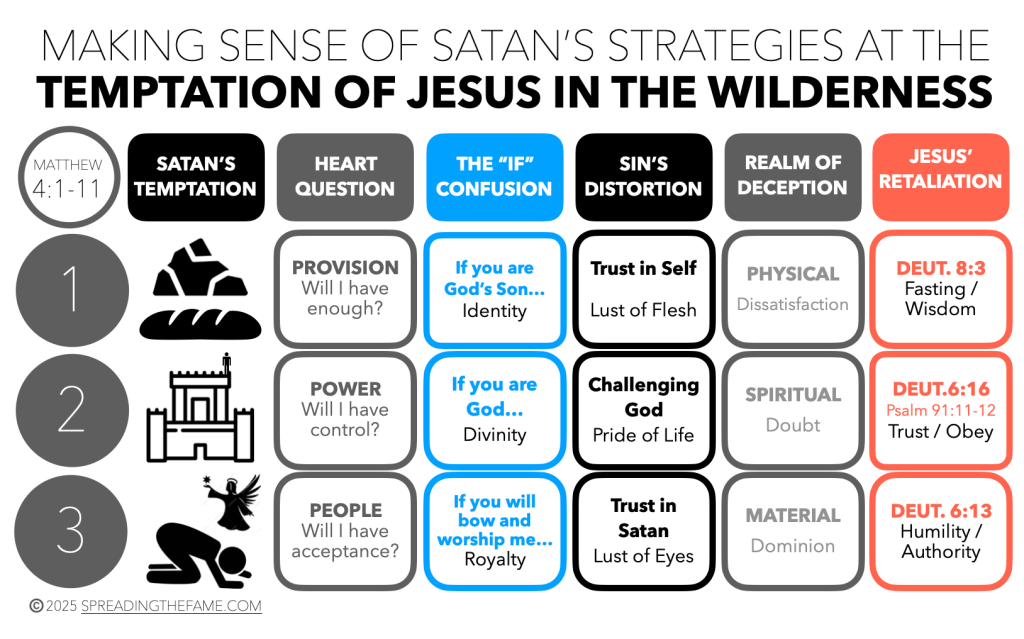
Spiritual Recharge and Intimacy with God: Unceasing work chokes off intimacy with God. Sabbath provides time and space to be with God, which deepens and reinforces the need for “Being with God” versus “Doing for God”. Sabbath helps reorient our heart to simply be with God, reminding us that our identity is in Him, not in our output.

Growing Perspective and Trust in God’s Sovereignty: Stepping away from work forces us to acknowledge that God is God, and we are not. We are not indispensable. It’s an act of humility and faith that believes God can work even when we are not working. This counters the “savior complex” and the lie that says, “If I don’t do it, it won’t get done.”

Warding Off Burnout and Prolonging Service: Pioneer work is a marathon, not a sprint. The work often involves long hours, constant learning, spiritual warfare, dealing with trauma, and limited support systems. The need to “be always on” can quickly lead to exhaustion. Regular, intentional rest replenishes physical, mental, and emotional reserves, extending the potential longevity of ministry.

Modeling Healthy Discipleship: If pioneer workers are constantly working, what message does that send to the believers they are discipling? Practicing Sabbath models a holistic, sustainable Christian life, teaching the importance of rest and trust.

Curbing Compassion Fatigue: Missionaries are constantly encountering human suffering. Without intentional rest, they can become emotionally numb or overwhelmed, unable to truly empathize or minister effectively.

Discernment and Wisdom: Stepping away from the immediate demands of ministry allows for clearer thinking, prayer, and listening to God’s voice. This is crucial for navigating complex cultural and ministry challenges.

Giving and Receiving from Relationships: Overwork often strains relationships. Sabbath provides purposeful time to give and receive from one another, for spouses to connect, for parents to be present with their children, and for team members to foster healthy fellowship, for local relationships to be more than just about work, all of which are crucial for long-term effectiveness on the field.

PRAYER ACTION

Consider the Scriptures you cling to above. Consider the Sabbath. Write a prayer for the kind of person you want to be who rests in God.

BUILDING A PRACTICAL MINI-THEOLOGY OF SABBATH REST

Take some time to prayerfully draft your practical mini-theology of “God’s dwelling” by responding to these questions:

Why did God rest? What is the Sabbath? Why did God create the Sabbath day? What was the Hebrew’s view of the Sabbath?

example: God is… We are the kind of people who… It is most like us/me to… We/I will… We/I hold to…

Why do God’s servants need to rest? Why did God make you with limitations? Why wasting time with God is okay?

What are some practical rhythms of rest that you can implement now that you could continue with you to the field? (See ideas on the next page) What does it look like for you to “pour yourself out” for others (Philippians 2:17) in a way that is sustainable and glorifies God, without leading to burnout? What is essential and non-negotiable? What is flexible or changeable?

Once you finish share your responses with your mentor. Ask for feedback. Adjust your draft as needed.

Additional Resources for Going Deeper:
The Rest Giver, Timothy Keller
7 Types of Rest Every Missionary Needs
Balancing Rhythms of Rest and Work, by TheologyofWork.org
Sabbath: A Family Worship Guide, by J.T. Hutts

WAYS TO SABBATH ON THE FIELD

Consider some of these practical ideas for what rest could look like on the mission field. Sabbath rest is not rigid formula (which Jesus spoke against), but a principle to be applied wisely and flexibly based on one’s context. It’s about a spirit of rest, worship, and refocusing on God, adapted to the realities of pioneer life.

Designated Day (or part of a day):

Ceasing from “Work”: No language study, no intense evangelism meetings, no administrative tasks, no strategizing for the unreached.

Focus on Worship and Scripture: Dedicate time for personal devotion, prayer, and deep intimacy with God and His Word. If possible, a small gathering with other believers for mutual worship and fellowship.

Recreational Activities: Engage in activities that bring rest and joy—reading non-ministry books, listening to music, pursuing a hobby, light exercise, and enjoying nature.

Relational Time: Intentional witness with family (if applicable), teammates, or local friends for fellowship and encouragement.

Meals: Enjoy a special, unhurried meal.

Adaptations for Extreme Pioneer Contexts:

Flexibility with the Day: While Sunday is traditional, the principle is one day in seven. It might be a Tuesday if that’s the only day free from local activities.

Mini-Sabbaths: In exceptional situations where a full day is impossible, practicing “mini-Sabbaths”—several hours of intentional disengagement and spiritual focus—can still be profoundly beneficial. Consider taking a ‘Safari Sabbath’ by taking a few hours to observe creation or even just a quiet spot.

Silent Retreats (short): If an opportunity arises to go to a slightly less intense location, a short overnight or day-long retreat for solitude and reflection can be invaluable.

Creative Worship: Using music, art, or natural settings for worship if traditional church gatherings are not possible.

Prioritizing Sleep: Simple, but often neglected. Deliberately getting adequate sleep is a foundational act of rest. Taking a nap can be a good use of the Sabbath.

The key is intentionality: deliberately setting aside time to cease normal work, to rest, to reconnect with God, and to be refreshed. It’s not about being unproductive, but about being renewedly productive in God’s presence.

Call

WHO ABOVE WHERE AND WHAT

A crisis unexpectedly hit the region. Foreigners were being kicked out. Many didn’t know if they would ever get to return. One pioneer who had been serving in the field among the Fulani was devastated.

“But my calling is to the Fulani!” she argued, her voice tightened with a mixture of frustration and despair. “God called me here, for them! How can I abandon that?” The thought of starting over with a new language, new culture, and new relationships felt like an unbearable weight. Her zeal, once a roaring fire, had dwindled to a flickering ember. She felt disoriented and utterly unfulfilled.

If her calling was to a specific people in a specific place, and that was now changing, did that mean her calling was a mistake? Was God’s plan for her failing? She knew deep down that her identity wasn’t “missionary to the Fulani”; it was “one called by Christ to a holy life.”

This realization didn’t instantly make the new assignment easy, nor did it erase her heartache for the Fulani. But it shifted her foundation. Her calling wasn’t dependent on a place or a people group’s response, but on the unchanging purpose of making Christ known. The “where” and “what” might shift, but the “Who” remained constant, providing an unshakeable anchor in the shifting sands of the mission field.

BIBLICAL REFLECTION ON CALLING

God is the One who calls. Throughout biblical history and modern missions, calling was demonstrated as a personal encounter with God that led to specific assignments: Abraham was called to trust and go (Genesis 12:1-4); Paul was called to a new identity and to proclaim the good news to the Gentiles (Acts 9:1-19, Romans 1:1) Everyone called is called by God’s sovereign initiative and grace, not from human merit, ambition, or even a deep desire for service alone. A call is an act of God setting an individual apart for His purposes.

Called to Jesus first and foremost. At its deepest level, biblical calling is fundamentally an invitation into a transformative relationship with Jesus Christ Himself—a call to salvation, relationship, and discipleship. It is primarily a call to Him, which then leads to a call from Him for His purposes. Your identity as a “called one” is rooted in your being in Christ, not in your location, title, or specific ministry task. (John 15:5; Philippians 3:7-8; 2 Timothy 1:9; Hebrews 12:2-3)

Called to be like Jesus. Every follower of Jesus is called to live a holy life and to walk worthy. Calling is most often in Scripture a word used to describe who we are to be rather than what we do. We are called to be more and more like Jesus. (1 Timothy 3:1-7; Ephesians 4:1-3)

Called to spread Jesus’ name and kingdom. Every follower of Jesus is called to be an ambassador (2 Corinthians 5:20). We represent Jesus to our neighbors and to the world. The ultimate aim of any calling is the glory of God and the expansion of His Kingdom. Mission pioneers are instruments in God’s hand to make His name known, spread His salvation, and establish His will among all peoples. (Matthew 28:18-20; Acts 1:8)

Jesus had a two-fold calling—to proclaim the gospel and to heal. For Him, there was never a tension or dichotomy between evangelism (preaching) and social ministry (healing). Jesus modeled, commanded, and empowered His disciples to engage in both preaching the Kingdom of God and healing the sick. (Luke 9:2, Matthew 10:7-8, Mark 6:7, 12-13)

Called where you are before being called elsewhere. Before God sends you to serve somewhere else, He calls you to serve faithfully where you are. The present context is often God’s training ground for future assignments. Consider Paul’s Macedonian call. He was called to do what he had always been doing, just somewhere else. Faithfulness in your local community prepares you for responsibilities beyond your comfort zone and boundaries. (Luke 16:10; 16:9-10; Romans 1:6)

Call is affirmed by the church. A call is affirmed when the church sends someone who is willing, capable, and tested to proclaim the gospel and establish the church in another culture. When that happens, a missionary can be confident in God’s direction not only because of his subjective desire but also because of the affirmation of God’s people in the church. (1 Timothy 3:1-7; Titus 1:5-9; Acts 13:1-3; 14:26-27)

God equips all who are called. A calling comes with God’s enablement. It is sustained not by human strength or skill alone, but by the Holy Spirit’s power, providing the necessary gifts, wisdom, and endurance. (2 Corinthians 12:9-10; Romans 12:6-8)

A missionary’s journey often begins with a deep, personal conviction of God’s love and a desire to follow Christ wholeheartedly. This leads to a burden for the lost, which then, through prayer and discernment, may narrow to a specific people group or type of ministry. The “Who” (Jesus) remains the driving force that sustains them through the challenges of the “where” and “what.”

Your calling to the mission field is a sacred trust. By rooting it firmly in your relationship with Jesus Christ, embracing faithfulness in your current context, and understanding that your ultimate identity is found in Him, you will be equipped to endure, thrive, and effectively advance His Kingdom among the unreached.

What other Scriptures or biblical aspects come to mind when you consider “calling”? Take a few moments to look up 1-2 of these verses and journal what the Lord highlights for you.

“He has saved us and called us to a holy life—not because of anything we have done but because of his own purpose and grace. This grace was given us in Christ Jesus before the beginning of time.” — 2 Timothy 1:9

THE IMPORTANCE OF CALLING

Understanding your calling is not merely an abstract spiritual concept but the very bedrock of your endurance, identity, and effectiveness. In the face of immense challenges, cultural complexities, and spiritual opposition, a clear grasp of God’s call will anchor your soul and propel your ministry forward.

Supernatural Empowerment: Recognizing that the call is from God reminds you that He also provides the power to fulfill it, guarding against self-reliance. This means that your calling is not primarily defined by the country you serve in, the people group you target, or the specific type of ministry you do (e.g., church planting, medical work, community development). These are important expressions of your calling, but the core is your personal, intimate connection with the Caller Himself.

Provides Unwavering Purpose and Direction: A clear calling gives you a divine “why” for your work, extending far beyond personal ambition or fleeting enthusiasm. When you have been affirmed that God has called you, it provides an unshakeable sense of purpose that guides your decisions and keeps you focused on His agenda, not your own.

Identity Beyond Performance: In contexts where “results” are slow or hard to measure, your identity remains secure in who you are in Christ, not in what you accomplish. This guards against burnout, self-condemnation, and the temptation to “prove” your work.

Clarity in Confusion and Resilience in Hardship: When faced with loneliness, cultural shock, slow progress, or spiritual attacks, your calling to Jesus Himself provides an unshakeable anchor. You are not there because of a program, place, or people, but because of Him. When ministry directions are unclear or unexpected challenges arise, returning to the core call to Jesus helps you discern His will and remain faithful.

Facilitates Healthy Accountability and Partnership: A clearly understood calling, especially when affirmed by the local church, fosters healthy accountability relationships. It allows sending churches and fellow workers to understand your purpose and support you effectively, preventing “lone ranger” ministry.

Understanding your calling is the spiritual compass that keeps mission workers oriented towards God’s will, resilient through trials, secure in their identity, and empowered for effective, God-glorifying service in the harvest field.

PRAYER ACTION

Consider the Scriptures you cling to above. Consider calling. Write a prayer for the kind of person you want to be for the call.

BUILDING A PRACTICAL MINI-THEOLOGY

Take some time to prayerfully draft your practical mini-theology of “the call” by responding to these questions:

What is the call of God? How do you know if you’re called? How are we called to a Person above a place, people group, title, or ministry?

example: God is… We are the kind of people who… It is most like us/me to… We/I will… We/I hold to…

What was Jesus called to do? And how does this inform your call?

What does God call us to do/be? How does God prepare you for your call, where you’re at before sending you somewhere else?

Once you finish, share your responses with your mentor. Ask for feedback. Adjust your draft as needed.

Additional Resources for Going Deeper:
The Call, by Os Guinness
Preach and Heal, by Charles Fielding
Calling: A Biblical Perspective, by TheologyofWork.org
Understanding Your Calling, by J.T. Hutts
The Antioch Journey, 31-day Devotional
On Being a Missionary, by Thomas Hale
The Missionary Call: A Biblical and Practical Appraisal, by MissioNexus

Dwell

WHERE GOD IS AND WHERE YOU WANT TO BE

One day I was invited to visit the family village of a good friend, I drove a few kilometers outside the city on what was nothing more than a bumpy dirt path for donkeys. In the middle of nowhere, we came upon a cluster of small African huts. The dwellings were made of mud bricks and thatched roofs.

As I approached one of the huts, I could hear the hum of a small diesel generator. When I stepped inside the abode there was a group of men who were all watching WWE. I never expected to be in one of the remotest places on earth and see that. It was surreal. One of the young men proceeded to turn to me and ask, “How do these wrestlers not get hurt?” It wasn’t the place to explain (spoiler alert!) that those wrestlers were part of an act and it was not real.

There is something even more amazing that sometimes feels unreal: God dwells among us and abides in us! Where God is, is where we want to be. We often wrestle with this reality.

BIBLICAL REFLECTION ON DWELLING

The story of the Bible reveals a progressive unfolding of God’s desire to dwell with His people. This theme culminates in the New Testament reality that believers themselves, individually and corporately, are His dwelling place. However, let’s back up the story a bit.

God dwelled in the Garden. God has always been. When He created the world and breathed life in Adam and Eve, He walked among them. He was present and actively connecting with them. When they sinned it severed their connection with God and mankind who have been longing for intimacy with God like Eden ever since. (Genesis 2:8-15; Isaiah 51:3, Ezekiel 36:35)

God dwelled in a pillar and tent. In the Old Testament, God chose to dwell among His people in the Tabernacle and later the Temple. The sign of his presence was a pillar of cloud by day and fire by night. These physical structures symbolized God’s presence, holiness, and accessibility (albeit with limitations). This established the foundational truth that God desired to be with His people. (Exodus 13: 21-22; 25:8-9; 29:45-46; Numbers 9:15-23; 1 Kings 8:27)

God dwells among us. Jesus Himself is the ultimate “tabernacling” of God among humanity. In Him, the fullness of God dwelt bodily, making God intimately knowable and accessible. (John 1:1-5; 1:14; Isaiah 7:14; Matthew 1:18-25)

God dwells in us. Through the indwelling Holy Spirit, individual believers become temples of the Holy Spirit, and the collective body of believers—the church—becomes a spiritual house and God’s dwelling place on earth. This means that wherever pioneer workers go, and as they gather believers, they are carrying and establishing God’s presence.(John 14:15-17; 1 Corinthians 3:16-17; 6:19-20; Ephesians 2:19-22)

God dwells in His city. The future dwelling place of God with humanity is depicted in Revelation 21, where the new heaven and new earth are seen as the temple, and God will fully dwell with His redeemed people. This provides enduring hope for the pioneer, reminding them of the glorious end goal of their work. (Revelation 21:1-3; Colossians 3:1-2)

God calls us to spread His dwelling around the world. As new believers are gathered and discipled, forming new communities in Christ, they are literally building God’s dwelling place in new lands. This transforms a remote outpost into a spiritual epicenter.

What other Scriptures or biblical aspects come to mind when you consider an abiding in Christ and God’s dwelling place? Take a few moments to look up 1-2 of these verses and journal what the Lord highlights for you.

“And I heard a loud voice from the throne saying, “Look! God’s dwelling place is now among the people, and he will dwell with them. They will be his people, and God himself will be with them and be their God.” — Revelation 21:3-4

THE IMPORTANCE OF ABIDING

When you have confidence and comfort that God is with you and that you are near to Him, then you have indescribable joy. Connection with God is an utter delight. Pioneer mission work can be lonely, demanding, and often discouraging. In environments where spiritual support is scarce and visible fruit is slow to appear, the temptation to rely on one’s own strength or strategies is great. There are two foundational truths for each pioneer: the need to abide with Christ and the reality of God’s dwelling place. These truths are lifelines that sustain, empower, and bear fruit in the most challenging mission fields.

Abiding Defined: The word “abide” (Greek: meno) signifies remaining, dwelling, staying, or continuing in a close, intimate, and dependent relationship. Jesus Himself uses the powerful metaphor of the vine and branches to illustrate this vital connection. (John 15:1-11)

Necessity for Life and Connection: Just as a branch cannot produce fruit apart from the vine, a mission worker cannot truly live or be fruitful apart from Christ. This isn’t merely about occasional connection, but a continuous, moment-by-moment reliance. Pioneer contexts often strip away human comforts and resources, making the need for divine life even more stark. (1 John 2:24-28; Galatians 2:20)

Source of Nourishment and Direction: Abiding in Christ means drawing all our spiritual nourishment, strength, wisdom, and direction directly from Him. It frees us from the burden of self-sufficiency and the exhaustion that comes from trying to accomplish God’s work in our own strength. (Colossians 2:6-7)

Lasting Fruitfulness: True, lasting fruit in mission— gospel seed scattering, discipleship, church planting, transformation—flows from Christ’s life through us, not from our own efforts. Abiding ensures that our work is Spirit-led and God-honoring. This is crucial for pioneers who may see little “visible” fruit and need to trust God for the deeper, unseen work.

Peace Amid Chaos: A deep, abiding relationship with Christ provides an unshakable inner peace, even when external circumstances are chaotic, dangerous, or discouraging. This peace is a powerful witness in its own right.

Accepting the invitation to abide: In isolated and challenging fields, the pioneer is never truly alone. The God who dwells in them is present, providing comfort, guidance, and power. More than any strategy or skill, simply abiding with Christ is non-negotiable.

Expanding Mission: The central storyline of the entire Bible revolves around God’s purpose to dwell with his people, and this dwelling place is meant to expand to fill the entire earth. God’s presence with us is a comforting and empowering as we pioneer the gospel among the nations and unreached. As we go, even if it be the most challenging location, He goes with us. (Matthew 28:18-20)

PRAYER ACTION

Consider the Scriptures you cling to above. Consider the dwelling place of God. Write a prayer for the kind of person you want to be who abides with Christ and spreads His dwelling place among the unreached and unengaged.

BUILDING A PRACTICAL MINI-THEOLOGY OF DWELLING

Take some time to prayerfully draft your practical mini-theology of “God’s dwelling” by responding to these questions:

Where is God’s dwelling place? Why does this matter for me and the mission?

example: God is… We are the kind of people who… It is most like us/me to… We/I will… We/I hold to…

What does it mean to abide with Christ? What can it look like to abide with the Lord anywhere, even in isolated locations?

Once you finish share your responses with your mentor. Ask for feedback. Adjust your draft as needed.

Additional Resources for Going Deeper:
God Dwells Among Us, G.K. Beale
The Presence of God, Ryan Lister
InDwell — 7 Day Devotional

Awe

WHY FAN INTO FLAME A PASSION FOR GOD

When I walked into the sultan’s courtyard it was my first time visiting someone who would be considered a king. We were welcomed by his assistant who led us to a waiting area where we’d get to meet his excellence. Before we stepped up towards the veranda of the sultan’s palace, we removed our shoes. As we entered the room where the sultan sat, we bowed our heads and continually faced his direction. Even though we were in rural and dusty Chad, Africa there was a regality and reverence to the occasion that I will never forget.

It is way too easy to forget that I am consistently in the presence of royalty. God is King. The King’s Spirit resides in His people. My body is more than a sultan’s palace, it is a holy temple. Wherever I go, He goes too. When I think about what drew me to the nations, it was a sense of wanting to spread the fame of God’s name to places and people where He was not yet named or worshiped.

Human’s are hardwired for awe. We can awe people, money, power, and stuff. You can have it all and miss awe. We can become awe forgetful, awe discouraged, awe empty, awe seduced, awe kidnapped, awe numb, and awe weary. 

God is truly the most awesome. To awe is to have a passion for God. A passion for God is not merely a fleeting emotion; it’s a deep-seated, all-consuming devotion that permeates every aspect of a believer’s life. It’s an active, vibrant love for God that expresses itself in various ways. It is a Soli Deo lifestyle that seeks to live unto God alone.

In essence, a passion for God is the heartbeat of a living faith. It’s a spiritual fire that needs tending and spreading, and the benefits of doing so are immeasurable, for your own good, for the good of others, and most importantly, for the glory of God.

Fanning a passion for God into flame is not about striving to earn His love or perform for Him. It’s about experiencing the fullness of life He offers and being an instrument in His hands who passes that awe down to the generation that follows.

BIBLICAL REFLECTION OF AWE

Pioneer mission work is inherently challenging, often characterized by isolation, resistance, and a constant need for resilience. In such demanding contexts, a deep-seated awe of God is not merely a pleasant sentiment but a foundational necessity. It provides perspective, fuels endurance, and empowers effective ministry. This brief theology explores the biblical concept of awe and its practical implications for those pioneering God’s kingdom.

Awe defined: Biblical awe (aka: “fear of the Lord”) isn’t a cowering dread, but a profound reverence, wonder, and respect for God’s infinite majesty, power, holiness, and love. It’s a recognition of God’s utter transcendence and immanence, His absolute otherness, and His intimate presence. This awe transforms the way we understand of ourselves, the world, and the mission. (Psalm 33:8; 66:5; 89:7; Hebrews 12:28)

God’s Transcendence: Awe grasps the vastness of God’s being, His uncreated nature, His eternality, and His sovereign control over all things. This understanding humbles us, reminding us that our plans and efforts are ultimately dependent on Him. For the pioneer, this means trusting God’s overarching plan even when immediate results are unseen or obstacles seem insurmountable. (Psalm 33:8-9; Isaiah 40:12-17; Job 37:22-24; Revelation 15:3-4)

God’s Immanence: While transcendent, God is also intimately involved in His creation and the lives of His people. Awe acknowledges His presence, His unwavering faithfulness, and His active working in and through us. This encourages the pioneer, assuring them that they are never truly alone and that God is at work even in the most barren of lands. (Isaiah 57:15; Acts 17:27-28; Matthew 1:23)

God’s Holiness and Righteousness: Awe recognizes God’s absolute purity and perfection. This prompts repentance, confession, and a desire to live lives that honor Him. For the pioneer, this means a commitment to personal integrity and ethical conduct, understanding that their lives are a testimony. (Leviticus 10:3; 1 Samuel 2:2; Psalm 99:3-5)

God’s Love and Mercy: Perhaps the most profound aspect of biblical awe is the wonder at God’s boundless love and mercy, especially as revealed in the cross of Christ. This love, extended to undeserving humanity, evokes deep gratitude and motivates compassionate service. For the pioneer, this fuels a self-giving love for the unreached, mirroring God’s own heart. (Psalm 103:8-14; John 3:16; Romans 5:8)

Cultivating a deep, abiding awe of God is not an optional extra. It aligns our hearts with God’s, empowers us to overcome adversity, and transforms us into vibrant witnesses of His awesome reality to the unreached peoples of the nations.

What other Scriptures or biblical aspects come to mind when you consider an awe for God? Take a few moments to look up 1-2 of these verses and journal what the Lord highlights for you.

“Awe means that you will look at everything in your life through the lens of God’s Existence and Glory, and you will surrender all your life to His purpose.” — Paul Tripp, Awe

THE IMPORTANCE OF AWE

Nothing but awe of God will sustain someone on the field. If it is not awe of God, then the heart will gravitate towards substitute awes. When awe of self or something else supplants awe of God, God ceases to be King and He is reduced to being your servant. When the mission doesn’t produce vertical awe of God, something is amiss. When an awe of God fuels the pioneer in the mission field several outcomes emerge:

Humility and Dependence: Awe reminds me of my smallness and God’s greatness, fostering a spirit of complete dependence on Him for wisdom, strength, and guidance. This counters self-reliance and burnout.

Courage and Boldness: When God is seen in His awesomeness, fear of humans diminishes. The pioneer, filled with awe for God, can face persecution, opposition, and daunting challenges with supernatural courage. They will even pray for boldness (Acts 4:23-31).

Resilience and Endurance: Awe provides a deep well of motivation that sustains through hardship and discouragement. Knowing the awesome God is with them, pioneers can persevere even when the fruit is slow in coming.

Worship and Joy: Awe naturally leads to worship, even in difficult circumstances. This worship fuels joy, which is a source of strength and a vital witness to others (Matthew 9:8).

Effective Witness: A life lived in awe of God is a contagious and compelling testimony. One’s awe and connections with God can be more effective than words alone.

Spiritual Discernment: Awe cultivates a sensitivity to God’s presence and leading, enabling pioneers to discern His will and walk in obedience amid complex cultural and spiritual landscapes.

PRAYER ACTION

Consider the Scriptures you cling to above. Consider your awe of God. Write a prayer for the kind of person you want to be who fans into flame a passion of God in yourself and others.

BUILDING A PRACTICAL MINI-THEOLOGY OF AWE

Take some time to prayerfully draft your practical mini-theology of “awe” by responding to these questions:

What is awe and/or a passion for God? Why is this needed to go to hard places?

example: God is… We are the kind of people who… It is most like us/me to… We/I will… We/I hold to…

What does it look like to live a Soli Deo lifestyle? How does this kind of lifestyle relate to surrender?

Why not just fan your flame for God, but start mini fires wherever you go? What does it look like to fan into flame a passion for God?

Once you finish share your responses with your mentor. Ask for feedback. Adjust your draft as needed.

Additional Resources for Going Deeper:
Awe, Paul David Tripp
The Pursuit of God, A.W. Tozer
The Heart of Pioneers, Steve Richardson

Sabbath: A Family Worship Guide

What is the Sabbath? Why is Sabbath needed? Should Christians honor the Sabbath too? How to plan a simple Sabbath meal? Download the family worship guide.

In the comments, mention any other things that you and your family do to make Sabbath practical and memorable.

Jesus Our Great High Priest

Today, we are concluding a series of messages on the theme of the priesthood. This has been an enlightening Bible study. Honestly, it’s a theme that can seem nebulous and can mean little to Christians today. Maybe you’re like me and didn’t grow up in a culture or system with priests. I was born into a Catholic family. However, priests were more like pastors. They were different from the priests we read about in the Bible.

In the Bible, the priesthood is one of those threads that helps us to understand God and His redemptive plan. The Scriptures are like a beautiful golden tapestry on a loom. The loom represents the span of human history, from creation to the eventual fulfillment of God’s promises. Each thread represents a specific event, character, or theme within the Bible. God is like an artist weaving each thread. The threads sometimes seem out of order, but ultimately they interconnect with the overall design. 

Corrie Ten Boom reflected on this through a poem called the The Tapestry. It was a testimony of her experiences in a WWII concentration camp and how she connected with God in such. hard place. As she held a small tapestry in her hand she would say,

“Oft’ times He weaveth sorrow; / And I in foolish pride / Forget He sees the upper / And I the underside.”

Looking from the backside of a tapestry can seem like a mess, but from the front it’s a masterpiece. Today, we can see most of God’s tapestry from the upper, but there is still some that remains a mystery. However, what we can see is sufficient to help us know God and His plan for mankind.

When God laid out His plan, He took His time. He didn’t rush history. Before the creation of the world, he wove history with redemption story (cf. Revelation 13:8). Why would God wait so long to unveil His plan? Like a Master Storyteller, he laid down the perfect script. He introduced and developed key characters. He followed patterns to build up a climactic moment. The moment came at the most opportune time and revealed His ultimate purposes.

The Bible, especially the OT, gives categories and identities that help us to know and understand who God is. The three primary categories are Prophet, Priest, and King. Embedded within these categories are central descriptors and identities. We must grasp these categories from Scripture. We must also understand their context within biblical history. Otherwise, our understanding of God will be impersonal. It will also be superficial. These categories help us to see what God is like and why He came to do, did, and does now.

As the Bible progresses, there are touch-points on the loom. These points help us to see and know God as a priest. As we follow the thread, God’s purpose for the priesthood becomes clear. Notice how the characters model the priesthood. Observe how God acts as a priest. Each story touches on a promise.

  • Adam was given the role of caregiver of creation and the first family. It was a priestly and kingly role. When he sinned, God becomes the Sacrificer who covers sin and shame. God promised a future self-sacrificing Messiah who’d rescue mankind.
  • Abel was like a priest who gave an honoring sacrifice for God sees the heart.
  • Melchizedek is described as a priest-king of Salem (Peace) who foreshadowed the future Messiah.
  • Abraham was like a priest who willingly offered his only son on the altar. God provided a substitute sacrifice and promised a Messiah who’d come from Abraham’s lineage.
  • Moses becomes a mediator between the people and God. During the last plague, the people of Israel sacrificed lambs. They painted the lambs’ blood on their doorposts. This was to protect them from the Passover. This event would be memorialized by the Jewish sacrificial system and within the tabernacle/temple.
  • Aaron & Levites were chosen and designated as imperfect human priests to guide the people in worship of the Lord.
  • David acted like a new type of priest-king when he ate the bread from the tabernacle. He marched into the city of Peace with the ark of the covenant. God approved and later promised the Messiah who’d come from David’s lineage.
  • OT Zechariah was robed in priestly garments as a picture of the future Messiah.
  • NT Zechariah’s priestly prayers were answered as he’d be the father of the forerunner to the Messiah.
  • Jesus came and performed priestly acts—He healed, forgave sins, called people to worship God, and claimed to be the Messiah.
  • Today, Jesus sits in heaven as the intercessor who promises to come back as the Priest-King.

Imagine if you didn’t have any of these stories or their contexts. Your understanding of the priesthood of God would be quite vanilla or incomplete. Instead, these stories add color and comprehension to who God is and they signal His plan.

That brings us to the Letter to the Hebrews. Hurrah for Hebrews! This lengthy letter helps connect and complete a lot of threads and strands between the Messiah of the OT to Jesus of the NT. It’s the one NT book that wrestles with the OT categories, characters, and processes. It helps us to make sense of the Bible’s tapestry. It all points to Jesus. He is the One toward whom the whole story, history, and the Scriptures are supremely about. Even Jesus said it, “You study the Scriptures diligently because you think that in them you have eternal life. These are the very Scriptures that testify about me, yet you refuse to come to me to have life.” (John 5:39-40)

So let’s unravel this thread by seeing the what, the so what, and the now what of Hebrews 4:14-16. This text pierces the chaos of our crazy-busy lives. It touches our brakes. We stop and consider how wonderful our Jesus really is as a priest.

WHAT?

“We have a great high priest.” In case you and I didn’t know, we have a priest. This title tells me that we don’t need a greater something. We need a greater Someone. We need a priest. We need Jesus as a priest. Why a priest? (cf. 5:1-3, high priest job description) Overall, a priest was a symbolic service. First, a priest was chosen among men and called by God. Second, a priest represented God to the people, and the priest represented the people to God. Think of them as links between heaven and earth with a divine and human function. Third, a priest offered sacrifices to God for the sins of the people. Fourth, a priest was someone who embodied the compassion and gentle-heart of God towards others. This last point is what endears us to the role of a priest compared to a prophet or king. He isn’t cold or ceremoniously religious. We see the priest’s heart.

Jesus isn’t an ordinary priest. He is a “high” and “great” priest. A high priest, different from an ordinary priest, was chosen to offer the annual sacrifice. This sacrifice occurred on the Day of Atonement for the sins of all the people. Also, he isn’t just a high priest, but he’s The-Great-High-Priest. To be “Great” means that there isn’t anyone like him. He is far superior. He is in a category of his own. When we see Jesus as this Great High Priest, we see one who was chosen by God. He represented God to humanity. He loved mankind compassionately and gently. He also sacrificed once and for all for all people. Jesus connected all the loose ends of history. He joined them with God’s story. This was done to show Jesus as the great high priest. It is meant to be an ah-ha moment!

Since serving in Chad, I have enjoyed walking with seekers and BMBs through the OT. In the process, we cover many of these threads along the way. By the time we arrive at the NT, Jesus makes so much more sense. The most rewarding moments in discipleship are when you see eyes widen. Lights turn on. Fingers point back. Mouths say “ah ha!”

SO WHAT?

We get it that Jesus, the great high priest is like no other. So what? So there is more that we need to know about Him to make sense of Him. Hebrews 4:14-16 expands the so what:

1) Jesus had “gone through the heavens.”

We get a glimpse into Jesus’ cosmic journey. An earthly priest would pass through the temple courts. They would push back the veil to enter into the holy of holies. We get an image of the heavenly temple in Isaiah 6, where the train of his robe fills the temple and all are calling the Lord “Holy”. Jesus has access to the holiest places on earth and heaven. Again, Jesus is in a category of his own as the “Son of God.”

2) Jesus can “sympathize with our weaknesses.”

Sympathy is a psychological word. Our English definition is narrow than the biblical definition which includes sympathy, empathy and compassion. Literally in the Greek it means “to suffer with”. Jesus feels for, feels with, and feels in it with us. This is what theologians call solidarity. Jesus has a witness and nearness to us. Jesus got down to earth and really felt it with you. Listen, Jesus gets you. He’s been where you are. He knows what it’s like to live with nagging weakness, probing pain, loss and rejection, exhaustion from serving others, and daily struggles. Jesus understands. He lived it. He was exactly there. Jesus knows the intimate terrors, tensions, and toils of life—and moves to heal them. If you’re like me, then that truth gives me more sympathy for the weaknesses of others. Jesus’ perfect sympathy shapes my approach to those I serve and lead.

This week I took became more aware of my weaknesses and jotted them down each day in my journal. Here is a sampling of the weaknesses that stuck out to me:

  • I’m not able to be present with each of my four kids and my wife at the same time.
  • I’m tired and not ready to be hospitable or generous to my neighbor knocking at the door.
  • I’m tempted to compare myself with a colleague.
  • I’m seriously considering a shortcut to success.
  • My mind is cloud and I can’t for the life of me get my daughter’s algebra story problem.
  • During Friday prayer group, I’m discouraged praying for the same thing for five years with little visible results.
  • I saw the cooling system of another laborer and envied it.

Speaking of cooling systems, I recently read a NASA study that said that when temperatures are above 100 F (37 C) our work productivity is about 40%. That’s humbling, especially living in a place like Chad where it is hot most of the time. Sometime I think about my solar batteries and inverter that shutdown under the heat and I think that I can do better. My body is just as limited and my brain is defective trying to to power through. Weakness remind me that I’m not omniscient, omnipotent, and omnipresent. Not even close. I forget meeting times. I sometimes step on toes. I accidentally leave doors open. Sometimes, I burn the rice on the stovetop.

3) Jesus “has been tempted in every way.”

Some can hear that and think, “Sure, well, Jesus was tempted, but He was God. He had all the power to resist.” While that is true, it is one side and incomplete. Like Frodo on Mount Doom, the closer he got, the heavier the ring became. Jesus knows well the fullest weight of temptation because he withstood all of it. Only the sinless can know its full intensity. The one who falls yields before the last strain. We will never know temptation’s full intensity as Jesus knows. He understands the battle because He enlisted in the war. Jesus went through it so much worse because He did not yield to it. He took it to the cross!

You’ve likely faced some terrible and intense temptations. These are the kind where you sweat and agonize through the night. You might pace the room and weigh the consequences. God promises that He won’t let you be tempted beyond what you can endure. This promise is found in 1 Corinthians 10:13. You don’t have to hack through the jungle as Jesus has already made a path. He has lit the exit signs to show you the way out.

4) Jesus “was without sin.”

This is where Jesus was unlike all other human priests. He never had to cleanse Himself or wear bells on His ankles. Jesus was both a Priest (consecrated one) and a Lamb (sacrifice for others). Jesus as “our great high Priest” revealed to us what God considers to be our greatest need. We need someone to make us righteous before God. We also need to be reconciled with God. Without Him, we would be stuck in a symbolic and cyclical system of sacrifices without end. Jesus ended it! There is no more need of it.

NOW WHAT?

The priesthood might seem like an archaic and irrelevant system. However, it is hugely important to understanding who Jesus is. It explains why He and His work are important. It also shows how you and I can interact with Him today. Hebrews 4:15-16 gives two clear applications of what this means for us now:

First, “let us hold firmly to the faith we profess.” Herein, there is an action and a belief. We believe that Jesus is God and man. We believe that Jesus is prophet, king, and priest. As the Great High Priest, we believe that forgiveness is costly, the punishment due to sin was death, and without the shedding of blood, there can be no removal of sin. We believe that Jesus is both the priest and sacrifice. These are the beliefs that must act by grasping onto and professed among one another. Let’s fix our eyes on the author and finisher of our faith (Hebrews 12:2).

Second, “let us then approach the throne of grace with confidence.” Herein, we see our role and place with God. Where is God now? He’s on His throne. He is both in a heavenly and bodily temple. Both are His holy sanctuaries. Most holy places are only accessible by holy people, God considers you as such. He offers you a life-transforming invitation, “Come to the throne!” His throne is always open! Jesus is always there. He is always available and always attainable. He is always attentive and always listening. He is always joyful to see you. He is always caring and always loving.

You can approach the throne because you are a priest and you are a holy place. God dwells within you. Your body is the temple where God dwells. You are living stones being built up into a spiritual house. You are a royal priesthood. (1 Peter 2:5,9) AND in God’s story, God wraps you in His priestly robe. You represent God before the people. You represent the people before God. You may be a team leader, project manager, embassy staffer, teacher, translator, visitor, hospital worker, or church planter. Yet, you are also priests in the order of the Lord Jesus Christ. You mediate, sacrifice, intercede, heal, reconcile, serve, bless, care, love, and call others around you to worship.

PRAYER

Take a moment to step into the presence of Jesus, your Great High Priest. How do you feel in His presence? … What is His face toward you? … Would you approach his throne of grace with confidence? … What do you need from Him as your priest today? Compassion? Gentleness? Forgiveness? Purification? Restoration? Salvation? … What is He asking you to hold onto firmly? To profess about Him? … Who is He calling you to serve? What is He nudging you to do? Who is He calling you to be?

Now may the God of peace, who through the blood of the eternal covenant brought back from the dead our Lord Jesus, that great Shepherd of the sheep, equip you with everything good for doing his will, and may he work in us what is pleasing to him, through Jesus Christ, to whom be glory for ever and ever. Amen. – Hebrews 13:20-21

PRAYER

DIG DEEPER

What happens when we consciously or unconsciously leave out one of Jesus’ categories or identities? How can you see this playing out in Christian communities?

How can we guard against striping Jesus from some of His hats and at the same time striping ourselves from our responsibility in imitating Jesus?

While Jesus is the Great high Priest, what does it look like in your day being and serving as a priest?

Making Sense of Temptation

Temptation is common to all people. We can make sense of most temptation by looking at home Satan tempted Adam and Eve in the Garden and Jesus in the wilderness.

Then Jesus was led by the Spirit into the wilderness to be tempted by the devil. After fasting forty days and forty nights, he was hungry. The tempter came to him and said, “If you are the Son of God, tell these stones to become bread.”

Jesus answered, “It is written: ‘Man shall not live on bread alone, but on every word that comes from the mouth of God.’”

Then the devil took him to the holy city and had him stand on the highest point of the temple. “If you are the Son of God,” he said, “throw yourself down. For it is written:

“‘He will command his angels concerning you,
and they will lift you up in their hands,
so that you will not strike your foot against a stone.’”

Jesus answered him, “It is also written: ‘Do not put the Lord your God to the test.’”

Again, the devil took him to a very high mountain and showed him all the kingdoms of the world and their splendor. “All this I will give you,” he said, “if you will bow down and worship me.”

Jesus said to him, “Away from me, Satan! For it is written: ‘Worship the Lord your God, and serve him only.’”

Then the devil left him, and angels came and attended him.

Walk the Pathway of Lament

Lament has been used by God’s people for generations to give language to their hearts in the middle of suffering and loss. Lament be elongated or brief, imaginative or simple. The following pattern gives common elements found in Scripture. It creates a pathway to lament. Lament is meant to be both expressed in honesty and humility. Honesty, because lament permits us to speak openly to God about the troubles we are facing. And humility, because the goal of lament is to lead us to place our trust in God. May this pathway become like a staircase that lifts you from the pit of despair to the sanctuary of the God of all comfort.


Examples of laments in Scripture: Psalms: 3-5, 7, 10, 13, 17, 22, 25-26, 28, 31, 39, 42-43, 54-57, 59, 61, 64, 70-71 77, 86, 120, 141-142.

Proclaim the Year of the Lord’s Favor

“To the strongest,” these were Alexander the Great’s last words spoken on June 11, 323 BC, when asked to whom his vast empire should belong after his death

Famous last words. They get a lot of attention as the one saying them has something important to say usually before they die. Like last words, first words are often important too. Think about the first words of a child to their parent, a coach to his players before the season starts, a teacher to his students on the first day of school, a manager to his new team, or a president’s speech on inauguration day. First words can carry as much weight as last words.

The first words that Jesus read publicly were from the prophet Isaiah (Luke 4:18-19),

“The Spirit of the Lord is upon me,
because he has anointed me
to proclaim good news to the poor.
He has sent me to proclaim liberty to the captives
and recovering of sight to the blind,
to set at liberty those who are oppressed,
to proclaim the year of the Lord’s favor.” — Isaiah 61:1-2

Let’s travel back to when Isaiah spoke those words, which were around 700 years before Jesus stepped into the world. Isaiah spoke those words to a people and nation who had walked away from the Lord. While warning them he infused hope that God promised to send a Deliverer—a Messiah.

Isaiah is like a fifth Gospel. No other book in the Old Testament paints so many pictures and promises tied to Jesus. Almost every chapter highlights the One who would come to save and suffer for his people and the nations.

Why did Jesus choose this Scripture? It might seem like he randomly opened the scroll and just read. It wasn’t random, but chosen. Jesus had just begun his speaking ministry throughout Galilee. Everyone praised him for his wisdom and divine insight (Luke 4:14-22). Then he came to his hometown of Nazareth and at first even they were wowed that this was the carpenter’s son and boy who used to play in their streets.

When Jesus spoke from Isaiah it would have drawn hope. The people listening would have considered themselves the poor who were captive to foreigners and pagans. They were tired of waiting and longing for freedom. They saw themselves as superior, moral, good, religious people who God should owe something. So what Jesus said next brought their hope to the next level,

“Today this scripture is fulfilled in your hearing.” — Luke 4:21

Notice what He didn’t say. He didn’t say, “Someday this Scripture will be fulfilled” nor “This Scripture has already be fulfilled.” No, he said, “Today, renight here, it is being fulfilled.” In so many words, he said loud and clear, “What Isaiah said about that Someone—I am that Someone. I am your promised Messiah.” This caused a stir and they liked what they heard. They were ready to go and get their freedom with their Messiah.

Jesus didn’t play it safe and stop there. He saw they didn’t get who he was and who he came for. So he tells a story about a poor foreign widow and a rich man who was sick. As examples, they starred both moral and religious outsiders, yet God showed mercy to them, even when God’s people would have nothing to do with them. It would be his prophets who took action and they suffered for it. So Jesus made the connection that his hearers were just like God’s people of old—thinking they were alright and hoarded mercy for themselves.

The people whiplashed in their reaction from amazed fans to a crazed mob. They were so ticked that they tried to drag Jesus out of town and throw Him off a cliff. Tough crowd, right?

So what did Luke 4 mean for its original hearers and us today? Jesus meant for his hearers and home-towners to know who he was and who he came for. He knew they would reject him, even though what he was saying was true. The hearers weren’t cut to the heart. They didn’t see themselves as poor or blind. They thought that God owed them because of who they were and what they did.

Unlike Alexander the Great, Jesus didn’t come for the strongest (noblest, toughest, most upright, best put together), but for the weakest, poor, and needy. Jesus was sent to proclaim the good news, to release the captives, to open the eyes of the blind, and to set free the oppressed. Why? So, the people would be called oaks of righteousness, the planting of the Lord (Isaiah 61:3b), priests of the Lord, and ministers of God (Isaiah 61:6) by turning to the Lord. All of this was to happen for the purpose—that an everlasting covenant would be made with them (Isaiah 61:8), that they would rejoice in the Lord, delight in him (Isaiah 61:10), that he may be glorified (Isaiah 61:3b), and so that they would be clothed with salvation (Isaiah 61:10) and praise would spring up before all the nations (Isaiah 61:11). Yes, all that!

Heaven’s Son gave up his wealth and emptied himself by becoming poor to reach the poor. As Joseph’s son, he was born dirt poor. Follow his steps and you will see that he deeply cared for the poor, inferior, marginalized, and unclean. He lived as a vagabond to bring good news to those who were ripe to receive it.

Good news is only for those who are spiritually needy.

Jesus wasn’t attracted by physical poverty but by spiritual struggles, stuck in strongholds, and those who didn’t fit into religious norms. It’s important to let go of spiritual laziness, self-righteousness, and the illusion that we can control God, and instead recognize our flaws and need for God’s help. Only those who see that they can do nothing to save themselves and overcome their sin can find hope and healing in the good news. Do you see yourself as spiritually poor and brokenhearted? Have you seen yourself as once a blind prisoner captive to sin? Do you know others like this? These are the kinds of people that Jesus came to serve and save.

Good news is especially for those who are physically needy.

The good news is felt by those on the edges of society, like women, racial outsiders, outcasts, downcast, and the powerless. In Chad, it can be the blacksmiths, beggar boys, and weaker clans. The more needy usually understand their need for God’s grace. The message of God’s help is best understood when we admit our spiritual need, which was seen in Jesus’ own surrender of power and dependence on his Father.

Good news is received deeply by those who are both spiritually and physically humble.

Accepting the good news is the most humble of things one can do. It is laying down everything and admitting that we can do nothing because God does everything. The good news changes then how we see wealth, status, and righteousness, freeing us from letting it define our value and security, and in turn, motivating us to share generously with those in need.

If you read Isaiah 61 you will notice that Jesus stopped mid-sentence. This was intentional. The first time Jesus came, he fulfilled the actions and he received the judgment. When he comes again, he will give judgment rather than receive it. The next time that Jesus comes he will finish the sentence.

As you proclaim the good news, the hearers will likely reject your message. They might even get angry and try to drive you out. Jesus’ message isn’t received well by a hostile and hell-bent world who think they are holier-than-thou. As Jesus’ followers—like those first disciples, who associated themselves with the radical Rabbi—we must be prepared to speak “uncomfortable” truth. To be alive in the adventure of Jesus is to hear his challenging first sermon, as for today, and to receive that risky invitation to follow him, and to take the first intrepid step on the road as a disciple into his harvest fields making more disciples.

Download as a PDF