your faiths firm foundation

What do these names have in common? Marilyn Monroe, Frank Sinatra, John F. Kennedy, Abraham Lincoln, Babe Ruth, J.R.R. Tolkien, Beethoven, Mozart, Elizabeth Taylor, and Michael Jackson. The only thing in common among all the names is that they are all dead. Now if I were to add the name “Jesus” to this list would it change your answer? Jesus died, but He didn’t just die—He conquered death. He conquered death through His resurrection.

There are many modern attacks on the truthfulness of Christ’s resurrection. Have you watch documentaries on the Discovery Channel or History Channel that dispute the facts of the resurrection? There are also many books like The God Delusion [Richard Dawkins], God is Not Great [Christopher Hitchens], or the popular book The Da Vinci Code [Dan Brown] that do not buy the idea of the resurrection of Jesus. Some people think Jesus disappeared to Hawaii where Elvis, Hitler and JFK are all hiding out in a bunker playing poker. Others seem to think that Jesus was swooned or asleep; He couldn’t have been dead and then resurrected.

How would you address theses attacks? What difference does it make if Christ had a bodily resurrection? Without a bodily resurrection all of Jesus’ claims would be false and followers of Christ would have no hope of eternal salvation. His resurrection is the foundation of the gospel and your faith. Without the resurrection of Jesus Christ, Christianity and its core truth claims would not hold any weight nor would your faith. Paul faced a similar situation with the church that he planted at Corinth.

You can have complete confidence in the reality of Jesus & His message [1 Corinthians 15:1]

Gospel. What comes to mind when you see that word? Gospel literally means “good news” or “breaking new.” Before discussing the good news, let’s discuss the bad: You deserve death; there’s nothing that you can do to earn salvation because sin condemns you to eternal death and separation from God. But the Good News is the gospel!

What is the gospel? The good news is that God loves His creation so much that He came down from heaven for you [Philippians 2:5–11], lived for you [John 14:19], died for you, and rose from the dead for you [Romans 4:25]. And if you respond through repentance of sin and have faith in Christ, He blesses you with eternal life [John 3:16]. Paul says that you must “take your stand” on the gospel. What does he mean? You must base your life on its truth [cf. 15:58]. By taking a stand for the gospel you are demonstrating confidence in both the Messenger and His message.

You can know the reality of the gospel because you can experience it now [15:2]

When Paul said, “by this gospel you are being saved,” he wasn’t speaking about something just in the past but something present too. The idea that one is “being saved”—while salvation is instantaneous—means you can still experience the power of the gospel on a daily basis. How is your life different since you became a Christian? Today you can experience the gospel in your decisions, your relationships, your school activities, your work, and your life—right now. The gospel not only changes your future destiny, but your present realities.

What do you think Paul meant when he said, “Otherwise, you have believed in vain”? He was emphasizing that true faith endures over time. In Hebrews 3:14 it says, “For we share in Christ, if indeed we hold our original confidence firm to the end.” An enduring commitment to the gospel shows genuine faith in Christ. Real followers of Christ do not give up when life gets hard, or doubts come like a flood, or you just don’t feel like following today.

Your faith has significant evidence for the case of the resurrection [15:3–8]

The detective shows on TV [i.e. NCIS, Monk, Psyche, etc.] solve cases by following evidence and eyewitnesses, and that’s what Paul did too—he followed evidence of the dead and of the living. When Paul referred to the witness of the dead; he read the prophets from long ago who foretold what Jesus would accomplish. Can anyone say with confidence who will be the president of the United States in 20 years? Who will be the hit band or movie star in the year 2145? Prophets foretold in detail Jesus’ birth, life, death, and resurrection hundreds of years beforehand.

Fulfillment of Old Testament prophecies: Genesis 3:15 (the seed of the woman will crush the serpent), Genesis 12:3 (the seed of Abraham will bless all nations), Psalm 2 (the supremacy of God’s Son), Psalm 22 (the description of His death), Isaiah 7:14 (the virgin birth), Isaiah 9:6 (the deity of the Messiah), Isaiah 52:13–53:12 (the specifics of His death, including taking on our sins), Isaiah 53:11 (His resurrection), Micah 5:2 (the place of His birth), and Zechariah 9:9 (His entering Jerusalem on a donkey). These prophecies show us that Jesus is God and Savior.

Paul adds another line of evidence—the evidence of the living. What effect do eyewitness testimonies have on a court case? It usually serves to prove or disprove an event. In 1 Corinthians 15:5–8, we see other eyewitnesses to Jesus resurrection: Peter, the Twelve, more than 500 others, James, the apostles, Paul himself. Why do you think that Paul emphasized the testimony of these eyewitnesses? Eyewitness testimony is always more powerful than secondhand information, and some of these were still alive and could tell their stories [one eyewitness could be duped, but over 500?]. Both the living and the dead come together to build a case for the resurrection of Christ.

You can have the hope of being raised from the dead, just as Jesus was [15:20–24]

Let’s say I had a mystery bag full of food. Without knowing what it was would you be willing to try it? No body wants to be the first one to try it. This is like what Christ did. He tasted death, so you would have to be afraid. His death and resurrection give you hope.

Paul calls Christ the firstfruits. This phrase has its roots in the Old Testament, usually refers to the Jewish practice of offering the first of a crop to the Lord in recognition that the entire harvest belongs to Him [cf. Leviticus 23:9–14; 1 Thessalonians 4:14–17].  During the Feast of Unleavened Bread, the priest waved the firstfruits of the harvest before the Lord, and a perfect lamb was sacrificed [Mark 14:12]. Jesus’ death and resurrection occurred during the Feast of Unleavened Bread. Jesus Christ was the perfect Lamb of God who was sacrificed to pay the price for your sins. His resurrection was a sign of the future resurrection of all believers.

Christ’s resurrection marked the beginning of a heavenly harvest of the kingdom of God. When Christ comes again, all who belong to God’s kingdom will be resurrected. How does that truth offer hope? Christ was raised, so you will be too. Death is not final for believers. Jesus said, “I am the resurrection and the life. Whoever believes in me, though he die, yet shall he live, and everyone who lives and believes in me shall never die. Do you believe this?” [John 11:25-26]

“Without the belief in the resurrection the Christian faith could not have come into being. The disciples would have remained crushed and defeated men. Even had they continued to remember Jesus as their beloved teacher, His crucifixion would have forever silenced any hope of His being the Messiah. The cross would have remained the sad and shameful end of His career.” William Lane Craig

Jesus’ bodily resurrection is the heart of the gospel. Because God raised Jesus from the dead, the hope that you have in Him is certain. The evidence for Christ’s resurrection is clear. You can be confident in your faith. Make know the reality of His resurrection as you live out the gospel.

Many times in His earthly ministry, Jesus brought hope to hopelessness. Every day, you see people who feel hopeless and need the gospel. Paul wrote a letter to the Corinthian church to remind them of the gospel. Write a letter to someone who needs to hear about the resurrection. Instead of writing what they need to do, tell them what you know about Jesus—and how the gospel has impacted you. Take ownership of what you know; write to encourage others in the gospel.

Noah (Part 3): The Covenant

Doesn’t it feel great to finish a big test? Or come to the end of a long school year? Or arrive at the weekend from a drudging week on the job? Or come to the close of a long hard trial in the family or with friends? You get home sit down with a sign and say, “It’s finally over.” I am sure Noah felt some relief as he saw the waters begin to reside and land began to appear. After all the darkness and drowning of God’s wrath in Genesis 6-8, chapter 9 is a breath of fresh flood-free air.

Noah Worships God [Genesis 8:20-22]

After the flood subsides and God dries the ground, God called Noah and his family to step out of the Ark. What does Noah do after getting off the boat? Does he stretch? Take a shower? Take a nap? Go to MacDonald’s for a burger and shake? No. The first thing he does shows his hearts highest priority. The first thing the father of new humanity does is gathered dirt, sticks and some clean animals to sacrifice [cf. 7:1-3]. He builds an altar to the Lord. The first thing Noah does is worship God.

Genesis 8:20 reads, “Then Noah built an altar to the LORD and, taking some of all the clean animals and clean birds, he sacrificed burnt offerings on it.” After living through the devastation that God wrought upon the earth Noah is convicted of his own sin knowing that he too should have been killed like everyone else in the flood. Therefore, he offers a burnt offering for the atonement of his sin [cf. Leviticus 1:4; Job 1:5; and ultimately foreshadowed in the death of Jesus for sin]. God was so pleased with the odor of Noah’s repentant worship [cf. Leviticus 1:9,13,17] that He responded by promising to never flood the earth again.

God blesses Noah’s obedience and worship [Genesis 9:1-7]

God blesses Noah’s obedience building and boarding the big boat, and blesses his God-centered worship and confession of sin. “Bless” appears over 80 times in Genesis. If a word appears that much it must be a major theme. When God blesses marriages, families, lives are restored. God is good. He is a giver of good gifts [James 1:17-18].

How does God specifically bless Noah? He gives Noah children that will fill the earth [cf. 9:1,7; cf. 1:28]. Biblically, children are a symbol of God’s blessing. God celebrates new life. God gracious sends His people out into the earth to fill it again. However, the new world is now different.

The peaceful harmony between creatures is broken because animals eat humans. God must make provision and man is able to eat meat of animals. Up to this point in human history everyone was a vegetarian, now you have the privilege of killing and grilling beef, bacon, birds, and fish on your BBQ. As a steward and dominioneer of God’s green earth, man is not to abuse his right to kill beast. Also, man is called to continue to respect the sanctity of human life because man bears God’s image [cf. 1:26-27].

God Keeps His Promise and Gives Noah a Covenant [Genesis 9:8-17]

What is a covenant? Once you turn 18 you are a legal adult. You don’t need your parents to sign a consent form anymore. A covenant is not a consent form or a contract. It is a treaty of guaranteed promise [i.e. marriage, oneness]. It is a binding agreement that brings relationships together. The covenant given to Noah is originated and crafted by God for Noah and all his descendants, which includes you and me.

There are some important truths to understand about God’s covenant to Noah. First, this covenant is universal, meaning they cover all people for all time. Some covenants, like the New Covenant, are limited. The New Covenant is only for regenerate followers of Christ. Second, this covenant is unconditional, meaning that God will uphold it no matter what man does [9:15; cf. 8:1, remember]. He will promise to keep His covenant no matter what. Some covenants are conditional and dependant upon the obedience of the other party involved in the covenant [cf. 2 Chronicles 7:14, Promise Land]. Be careful not to make all God’s covenants unconditional and universal because they are not.

Third, this covenant came with a signature. God promised that He would never again send a cataclysmic flood and that the seasons would continue by His provision. What sign did God give of His covenant? The sign of the covenant was the rainbow to remind God’s people of His promise [i.e. Abraham’s circumcision, Lord’s Supper, Baptism, rings in a marriage, etc.]. God gives meaning to the rainbow: God kills sinners, but not yet nor through a flood [cf. Isaiah 54:9-10]. Through the covenant God restores His intentions to bless people—even sinful people—because God is good.

Life After the Flood [Genesis 9:18-29]

Man is still tainted by evil [cf. 8:21b]. Noah responded to God’s kindness by growing grapes, getting drunk and passing out naked in his tent, and as pastor Mark Driscoll says, “like a Redneck on vacation. You don’t see this kind of stuff in your kid’s church coloring book. You don’t sing, ‘in the arky-ark, no drunky-drunky.’”

Ham, Noah’s son, walks into tent searching for his dad in the nude and tattles to his brothers. The other two brothers come into the tent backwards out of respect and cover their father’s shame. Whatever happened, no one knows, but one thing is for sure: it is not a good thing when a son walks in on his dad drunk and naked. This is a really bad day recorded about Noah.

What is the point of this sinful situation including Noah? Is sleeping naked sinful? No. Is it that drinking alcohol is sinful? No. Drinking alcohol is not sinful, but drunkenness is. The point of this sinful inclusion is simply that sin remains the human predicament even after the flood.

After Noah’s hangover, he wakes up. He realizes that his sons have dishonored him [cf. Exodus 21:15-17; Deuteronomy 21:18-21; Mark 7:10]. We all have sinful fathers, but they still need to be honored. In Genesis 9:25-27, Noah’s declares cursing and blessing directed toward his sons. Ham’s son, Canaan, is cursed to serve the line of God’s people that would come from Shem. Canaanites are forever labeled unclean perverts. It was also promised that Japheth would prosper for God would dwell in their tents. In Genesis 9:28-29, the genealogy resumes [cf. 5:32] as Noah dies and the human race again begins to grow and still sin.

In conclusion, what do we learn about God from the narrative of Noah? First, God is holy. His love and justice demands that sin be punished [6:5, 11-12]. Second, God is personal. He is sorrowful that He made man [6:6]. Third, God values life, especially human life [9:1-6]. Fourth, God keeps His promises [9:8-17] and remembers His people [8:1]. Fifth, God is Father. Even when you earthly dad is sinful and not a good example, you have a great on in your Heavenly Father. Honor both.

Is Jesus seen in the story of Noah, the ark, the flood, and the covenant? You bet! First, Jesus is a better Noah. Like Noah, Jesus was chosen by God, He was favored by God, He faithfully preached though many rejected and mocked, He was obedience to God, He offered sacrifice to God. Second, Jesus is the ark of salvation to escape the impending flood of God’s wrath by fire [2 Peter 2:5,9]. The ark was the only hope of salvation for Noah and his family. Jesus is the only hope of salvation for you and your family, even Canaanites [cf. Joshua 2:14; 6:17, 22-25; Matthew 1:5; Hebrews 11:31].

Third, Jesus is the author of the New Covenant fulfilled in His death, sealed by His blood, and confirmed by His resurrection. Those who repent and respond to Jesus in faith will be saved. Fourth, Jesus is the perfect sacrifice for man’s sin once and for all. You do not need to sacrifice an animal on the altar. Jesus did that for you with Himself on the cross. Repent of your sin and believe in Him, as your Savior, and you will be saved [2 Corinthians 5:21]. Jesus is the hope promised through Noah.

spreading His fame

All praise to the name of the savior who reigns.
He’s taken our blame, embraced all our shame,
He’s raised from the grave so his fame we proclaim.
Salvation by grace through faith in his name.
Jesus, the beautiful and blessed Son,
Immutable, majestic one
Who was resurrected from the grave
for the depraved.
He paved the path for some
Place faith in His passion, son
Be saved from the wrath to come.
He’s fabulous, His status is immaculate
I’m lacking the vernacular to adequately capture His glory.
Incomparable, unconquerable, all powerful, unstoppable
Absolutely phenomenal.
No obstacle He can’t navigate.
He’s God and so He fascinates.
With Him it’s impossible to exaggerate.
Lord of all continents,
Source of all consciousness,
His compliments are the consequence of His accomplishments
Every sphere of life, He’s the Lord of it
And every other power is either fraudulent or subordinate.
At first we snubbed Him,
Now His vessels of mercy love Him.
Your highest thought is infinitely unworthy of Him.
Beyond vocabulary His actions vary,
His wrath is scary
All His adversaries are imaginary.
He has no competitors.
Ask Nebuchadnezzar, bro
He’ll mess you up, have you eating grass,
You can bet He’s amazing.
He takes in blatant, flagrant vagrants, breaks them, remakes them, and shapes them
to hate sin.
Jesus!
There’s no better name!
That’ll never change and He’ll forever reign while we spread His fame.
All praise to the name of the Savior who reigns
He’s taken our blame
Embraced all our shame
He’s raised from the grave so His fame we proclaim
Salvation by grace through faith in His name!

By Shai Linn

what is your response to Jesus?

If you were to ask any person on the street, in the office cubicle next to you, or lunch buddy across the table if they know who Jesus is they would probably give you a satisfactory answer. However, if you were to probe around a little deeper and see if they really know Jesus, you might find out that there are many opinions on why Jesus came and how he deals with sin.

Pretenders, Posers, Rationalizers or Overcomer

There are many ways people respond to sin. Sin is deceptive. Sin lies to us, but it never quite follows through with what it promises to give. Therefore, the world is full of pretenders, posers and rationalizers who are still attached to their sin like an impenetrable umbilical cord feeding off its lies. How can I detect if I have been deceived by sin? Have you ever thought recently? “One sin is not going to hurt,” “I can hide my sin and know one will know,” “It is okay since everybody is doing it,” “It’s not my fault,” “It can’t be sin if it feels so right,” or “I’ll just sin, and ask God to forgive me later.”[1]

These are common lies that pretenders, posers and rationalizers sing as their rock-anthems, but they are lies from the pit of hell and they will keep them in hell. How do we stop believing these lives and begin living in truth? What is the right response to sin and the gospel of Jesus Christ? How do I finally get on the road to overcoming nagging addictions, sin/confess cycles, and secret-closet sinfulness?

The 2-Pronged Response: Repent & Believe

Jesus began His ministry by preaching, “The time is fulfilled, and the kingdom of God is at hand; repent and believe in the gospel.” [Mark 1:15] In other words, Jesus is saying, “I am the way. I am from God. I have fulfilled all the ancient prophecies. I am your promised Messiah who has come to forgive your sins. Trust me and turn from your sins.”

Throughout the OT, God and His prophets called people to believe in Him and repent of their sin. In the NT, the apostles called people to turn from their way and follow the way of the cross. Like Paul, “I have declared to both Jews and Greeks that they must turn to God in repentance and have faith in our Lord Jesus” [Acts 20:21] Repentance and Belief go together like green on grass. They are both distinctive of true followers of Christ.

You Gotta Have Faith, Faith, Faith

Faith is more than a cool 80’s song. Faith is not something you can simply muster up in your inner self through a mystical experience. You cannot buy it from the convenience store or put it on your North Pole wish list. Faith [and repentance] is a gift of God.

Faith is an active dependence upon the promises of God [Romans 4:18-5:1; Hebrews 11:1ff]. Faith is a belief in what you know to be true. People do not normal give themselves to something that they think is untrue. I believe the gospel is true and Jesus is the only Savior for man; therefore, I am all-in and no-holds-bard to following His way. I believe that if Jesus does not save me, I will die. I believe that I have no other hope but in Him. Salvation begins by believing Jesus is who He says He is and did what He said He did, “For what does the Bible say? Abraham believed God, and it was counted to him as righteousness.” [Romans 4:3ff]

U-Turn or Burn

Repentance is a turning—from sin to the way of the Savior [Acts 11:18]. Repentance is not, “I will try harder or do better.” Repentance is not feeling really sorry or shedding a few tears over your sin; however, grief and guilt can lead to repentance [2 Corinthians 7:8-13]. Peter preached in his first sermon, “Repent and turn to God so your sins may be wiped out.” [Acts 3:19; cf. 26:20]. Repentance is changing your mind from living your way back to living God’s way. Repentance is a spiritual U-Turn.

What happens if I do not repent? “… Unless you repent you will perish.” [Luke 13:3] Jesus is saying, “Unless you turn from your sin you will go to hell.” [Romans 6:23] The alternative to not turning from sin to God is hell fire and brimstone. The Bible says we are like branches and Jesus is the Vine, “Every branch in Me [Jesus] that does not bear fruit He [the Father] takes away” [John 15:2] and, “If anyone does not abide in Me, he is cast out as a branch and is withered; and they gather them and throw them into the fire, and they are burned.” [John 15:6]

God is serious as a heart attack about sin. Sin is like the fat that clogs up your arteries, and repentance is the surgery that lets the blood flow again. This is how serious God is about sin, “And if your right hand causes you to sin, cut it off and cast it from you; for it is more profitable for you that one of your members perish, than for your whole body to be cast into hell.” [Matthew 5.30] Sin is very serious and must be amputated radically before it kills you [James 1:12-15].

In summary, Repentance and faith go together like white on rice. You cannot have one without the other, or at least for the truly authentic follower of Christ. If you are really sorry about your sin you will do whatever it takes to make it right. The biblical way to make it right is by believing Jesus is the only forgiver and repentance is the means to forgiveness. The Bible is clear that Jesus came not only to save you, but also to change me from the inside you. Repentance is not as an excuse to live as you want, but as you were designed.

Quick Q&A on Repentance:

What should I repent of? [Colossians 3:5-9; Ephesians 4:17-31; Romans 1:28-32] One must repent of sin: pride [position, prestige, power], overindulging pleasures [immoral sex, substance abuse, stuff], and ungodly priorities [others, God, yourself].

How do I know if I have truly repented? According to 2 Corinthians 7, I grieve over sin [9], I am disgusted by sin [11], I am reconciled toward other people [11], I am having revival toward God [11], and I am looking forward not backward [8-9]. Also, I will perform the works in keeping with repentance [Acts 26:20; Luke 6:44; 3:8]. These fruits do not cause our salvation, but can give confirmation to it.

Why isn’t repentance easy? There are many reasons: It is humbling to submit to another authority. We love our sin too much. We do not have faith that God fulfills His promises. We do not like to experience grief [2 Corinthians 7:8-13].

What if I have already repented and I still struggle with sin? Repentance does not necessarily mean an immediate stop to sinning. It means I am taking sides with God not my sin. You chose to do war against sin rather than letting it rule you [1 Corinthians 10:13]. Temptations are still a part of this life, but in Christ we can have power to overcome.

What is your response to Jesus? Repent and Believe or remain dead in your sin [Mark 1:15].


[1] Adapted from the booklet How to Get Right With God. James MacDonald, Walk in the Word. Arlington Heights, IL. 2000, 4.

Jesus redeems man

superbad hero

If you could have any superpower you desired, what power would you have? Maybe you would want the power of invincibility, super strength, supersonic speed, or ninja-like fighting skills. Let’s say you were granted the power to have these super powers, what would you do with them? Would you do good? Or would you cause harm? We would like to think that we would be good superheroes, not reckless villains. It is interested to read into the lives of popular superheroes. Each superhero from Spiderman to Batman had an inner power struggle between doing good or evil. Is there any good super hero? Am I capable of doing any good?

here’s the bad news, but…

The gospel would not be good news if there were not bad news.[1] The bad news is that you are a deliberate sinner separated eternally from God and are without hope of saving yourself, but Jesus came as the eternal hope to deliver you from the punishment of your sinfulness. Now I am overjoyed that there is a “but” in the previous sentence. Have you ever received bad news with a “but”? As Greg Gilbert said,

“But. I think that must be the most powerful word a human being can speak. It’s small, but it has the power to sweep away everything that has gone before it. You have cancer. But it can be treated. Your friend was in a car wreck. But he is fine. [You failed the test. But you can still pass the class. You have sinned. But there is hope; Jesus has come.] Sadly, sometimes the but doesn’t come. Sometimes the sentence stops, and all we get is the bad news. Yet those moments only magnify for us the times when the but does come. And they are glorious.”[2]

He Is Your Hope

I am glad that God brings us hope in the midst of our sinful rebellion. Jesus is our hope. For centuries people have been looking for a hope only to be disappointed by not finding any, but the hope did come. God’s Word describes this hope as a Messiah who will come to redeem His people.

Adam and Eve around 4000 B.C. were promised a future offspring who would crush the head of the serpent [Genesis 3:15; Galatians 4:4]. Abraham in 2000 B.C. was promised a Messiah through his son Isaac [Genesis 12:3; Matthew 1:1-2]. The prophet Micah in 700 B.C. was promised a Messiah born in Bethlehem [Micah 5:2; Luke 2:1-7]. The prophet Isaiah in 700 B.C. was given the promise of a Messiah born of a virgin [Isaiah 7:14; Matthew 1:18-23], that He would be sinless [53:9; 1 Peter 2:21-22], that He would do miracles [35:5-6; Matthew 11:2-5] and that we would be beaten, hated, rejected killed, buried, and resurrected [50:6; 53:3-12; read the Gospels]. This is just a sampling of the slews of promises with fulfillments given in the Scriptures. For you and me, there is to little doubt, the promised Messiah—Jesus Christ—has come.

The question is not if Jesus came to this earth. The proof of Jesus’ reality is widely accepted even among skeptics. There is little doubt that Jesus was a real life historical figure. But, who is Jesus? What makes millions of people follow Him? Is He really who He says He is? Can He really save people from their sins?

Who is Jesus and what makes Him so special?

Jesus asks a very good question to His followers, “Who do you Say I am?” [Mark 8:29] Is He just some dude, spiritual sage, good religious teacher or prophet? When we take the time to dive into the life of Jesus we see that He is certainly more than a timeless superhero that did good for the people of planet earth. When Jesus came he was not wearing a cape, he didn’t have a catchy logo or cool theme song. He was not a motivational speaker with a message declaring the power of positive thinking. He is not the pasty white religious guru you see characterized on Family Guy, South Park or the musical Jesus Christ Superstar, which take no shame in crossing the line of blasphemy and heresy. This is how the Bible describes Jesus:

Jesus is man. He was born a crying, diaper-filling, thumb sucking, cute-faced baby [Lk.1:34-35]. However, He did not have a normal birth because He was born of a virgin and His daddy was God the Father. He had a miraculous one-of-a-kind birth and sinless life.

Roughly two thousand years ago, Jesus was born in a dumpy, rural, hick town, not unlike those today where guys change their own oil, think pro-wrestling is real, find women who chew tobacco sexy, and eat a lot of hot pockets with their uncle-daddy. Jesus’ mom was a poor, unwed teenage girl who was mocked for claiming she conceived via the Holy Spirit.[3]

The Bible also tells us that He grew as a wise manly man [Luke 2:52]. Like my stepdad, he swung a hammer and built things with His carpenter’s hands [Mark 6:3]. He hurt [Matthew 26:37], He had humor [Mark 4:21], He cried [John 11:35], He was tired [Matthew 8:24], He got mad [Matthew 21:12], He had compassion [Luke 7:13], He felt betrayed [Matthew 26:47-50], He was tempted to sin [Matthew 4:1-10], He was hungry and thirsty [John 4:7; 19:28], He felt pain, and He died [Luke 23:46]. Jesus was a real man through and through from His blood to His bones to His breathe.

Jesus is God. [John 1:1, 14]. He claimed it [John 8:58-59; 14:6], His miracles claimed it [Mark 4:41; John 10:36-39], others claimed it [Matthew 16:16], and God claim it, “This is my son in whom I am well-pleased.” [Matthew 3:17] Jesus offered people forgiveness of sins [Luke 5:20-21; 7:48], asked people to worship and pray to Him [John 14:13-14; 15:16; 16:24], and lived sinlessly to prove it [John 8:46]. Anyone who claimed to do these things would either be as C.S. Lewis said, “be a liar, lunatic, or Lord”[4]

Jesus is Prophet, Priest and King. He holds all three offices, and He holds them effectively and perfectly. As prophet He tells the truth about your life and future. At least 50 times in the Gospel of John He says, “I tell you the truth…” As prophet He calls us to repent of our sins. As priest He intercedes your prayers, worship, and cry for repentance on behalf of God [Hebrews 4:15-16]. As king He rules over the affairs of man fairly and sovereignly. He says to us, “the kingdom of God is at hand.” [Mark 1:15] When the Bible refers to Jesus as “Lord,” this is short hand for: master and commander-in-chief of my life. Jesus is the King of kings, Lord of lords, and ruler over all creation [cf. John 18:36-37]. His kingdom will always stand. Jesus does not want to be an inspiration role model or martyr; He wants to be the center of your universe and the champion of your soul.

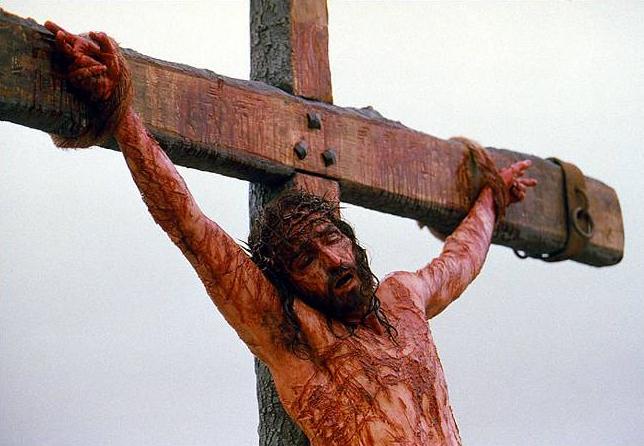
Jesus is the Suffering Servant. He did not come to be served, but to serve [Mark 10:45]. This is different than most popular kings, priests or kings that you read about throughout humanities history. The Bible describes Jesus as the Lamb of God who became the bloody slaughtered sacrifice for the sins of mankind [John 1:29, 36]. His crucifixion was so grotesque and excruciating that He was unrecognizable. He willingly died as the penal substitute for sin taking upon Himself the wrath of God in my place [1 John 2:2; 4:10]. Nobody takes Jesus’ life from Him; He chose to lay down His life.[5] He took your bullet, sat in your electric chair, and bore your condemnation without an ounce of whining or wincing [cf. Isaiah 53].

Jesus has risen, indeed. He died, but He did not stay dead for long. Three days to be exact [1 Corinthians 15:3-4]. Now He is alive. We have recorded after Jesus rose from the grave He was seen by hundreds [cf. 1 Corinthians 15:5ff]. He conquered sin and death [1 Corinthians 15:55-56] ascended to heaven [Acts 1:6-11], and is seated at the right hand of the Father [Colossian 3:1; Hebrews 8:1]. Since Jesus resurrected, you and I have the hope to resurrect into eternal life too [John 11:25]. The impact of Jesus resurrection rippled through His followers who were transformed and went to their own deaths for the sake of getting Jesus’ life-saving earth-shaking message to the masses.

all this to say, “Jesus is Your Redeemer!”

Who do you say Jesus is? Is Jesus your Savior, Deliverer and Redeemer? If this is who you say Jesus is, then can you back that up? If Jesus is your redeemer, do live like you are redeemed? Jesus did not just come to save you, but to change you from the inside out. He saved you from sin and the need to keep on sinning. If someone saved you from falling off a cliff or paid your ten billion dollar bail bond would you treat that person like crap after the fact? Even if Jesus does not have a cool cape, kicker theme song, or super hero status in your book; He is still your one true to life Redeemer. Never will there be another. Never will you have a better time to bow your knee to Him than now,

Mark 1:14 Jesus came, proclaiming the gospel of God, 15 and saying, “The time is fulfilled, and the kingdom of God is at hand; repent and believe in the gospel.”

Ephesians 1:7 In him we have redemption through his blood, the forgiveness of our trespasses, according to the riches of his grace, 8 which he lavished upon us, in all wisdom and insight 9 making known to us the mystery of his will, according to his purpose, which he set forth in Christ 10 as a plan for the fullness of time, to unite all things in him, things in heaven and things on earth.

Philippians 2:5 Have this mind among yourselves, which is yours in Christ Jesus, 6 who, though he was in the form of God, did not count equality with God a thing to be grasped, 7 but made himself nothing, taking the form of a servant, being born in the likeness of men. 8 And being found in human form, he humbled himself by becoming obedient to the point of death, even death on a cross. 9 Therefore God has highly exalted him and bestowed on him the name that is above every name, 10 so that at the name of Jesus every knee should bow, in heaven and on earth and under the earth, 11 and every tongue confess that Jesus Christ is Lord, to the glory of God the Father.


[1] J. Mack Stiles, Marks of the Messenger. IVP Books. Downers Grove, IL. 2010. 27.

[2] Greg Gilbert, What is the Gospel? Crossway, Wheaton, IL. 2010. 59.

[3] Mark Driscoll and Gerry Breshears, Vintage Jesus. Crossway Books. Wheaton, IL. 2007. 11.

[4] C.S. Lewis, Mere Christianity. Macmillan, New York. 1952. 40-41.

[5] Jared C. Wilson, Your Jesus Is Too Safe. Kregel Publications. Grand Rapids, MI. 2009. 201.

breaking news

Have you ever received any breaking news? The kind of news that startles you for a moment and your life is never the same. Maybe you received news that your lover has just broken off the relationship, your father passed away suddenly, you failed the test, you are pregnant, you lost your job, or you watch a tragedy unfold on the breaking news today.

This is not the kind of news we want to hear, but inevitably we will all here some bad breaking news. How do you normal respond to bad news? Brace yourself; I have some more bad news for you. Ready? You are going to die. 100% of people who are born into this world will one day die. Do you know where will you go when you die? The answer to this question might be even worse news to you. The thought of death and the perplexity of an afterlife cause many to be fearful or anxious.

Not all breaking news is bad news. I have some wonderful breaking news for you: the gospel. What is the gospel, you ask? The gospel is good news. It is earth shattering, life-altering breaking news. When I am confronted with the gospel I see myself for who I really am and the way I respond to the gospel can have eternal ramifications.

The Gospel is the center of Christianity. Without a right understanding and application of the gospel you do not have a true picture of Christianity. The gospel is what makes Christianity distinct and exclusive from other faith-based systems. The gospel to Christianity is like a wrench to a mechanic or a flower to a florist. The mechanic does not sit around and ponder, “What is this wrench used for?” Nor does a florist wonder, “What is a bouquet of roses?” Without the gospel one does not understand the core of Christianity.

How good a grip do you have on the gospel? What is the good news that Christians blaa-blaa-blaa about? What is so good about good news anyway? We do know what the gospel is not, or at least what the gospel is not alone.

  • The gospel is not Jesus alone.
  • The gospel is not Jesus death, burial and resurrection alone.
  • The gospel is not a belief in Jesus alone.
  • The gospel is not being forgiven of my sins alone.
  • The gospel is not God loves you alone.
  • The gospel is not God has a special plan for you alone.
  • The gospel is not changing my life to be a better [loving] person alone.

The gospel is a belief that the Bible is absolutely true: God is a loving creator, and man has sinfully disobeyed God, therefore Jesus graciously and sacrificially died for man that they might respond to Christ’s forgiven and have a means to become right before God. The gospel is not only something I believe in for a moment that will change my life eternally, but its also the means for me to live righteously all throughout my life.

How do I know this is the gospel? How do I know this gospel is true? How do I know this gospel is for me? Could it be as simple as Bible tells me so? YES. It comes down to whether I believe God wrote a book and that this book is Truth.

How can I know that the Bible is absolute truth and authoritative? Is the Bible reliable? Other than the Bible we have three sources of so-called reliable truth. The first source of truth we have is tradition. Tradition tells us what has be true passed down from generation to generation. Some say tradition is not reliable because traditions change or generations might distort the truth to another generation. A second source of truth is reason. Reason uses mans thinking to proven or make understandable what is true. Does everybody agree on what is true? Reason often leads to skepticism and more questions rather than understanding truth. A third source of truth is experience. Some measure truth by what I can seems or feels right. What we know from experience is the experience is not a good measurement for truth. Tradition, reason, and experiences fail us more often then not. What is your standard of authority? Is it reliable? Are you sure?

So where can we find truth? I believe that God authored His Word and spoke these words to called men who recorded them in what we know as the Bible. I also believe since God is perfect and holy, the Bible is infallible and authoritative [2 Timothy 3:16; Psalm 18:30]. Therefore, the overall plan of salvation for sinful men that God lays out through His Word is absolutely true.

In the letter to the Romans the apostle Paul writes about the Gospel. He gives a concise and clear explanation of God’s purposes in Christ. He writes this letter to people who would consider themselves Christians, but Paul wants to make sure they really do understand the Gospel of Jesus Christ, “For I am not ashamed of the gospel, for it is the power of God for salvation to everyone who believes.” [Romans 1:16]

If Paul were alive today he would share the gospel with his mailman, garbage man, X-Box buddies, bowling league, and bullies at work or school. We know this because he was unashamed of the gospel in his time when Christians were killed for their faith. He was beaten, bullied and put into jail, but this did not stop him from sharing the gospel with the prison guards. The gospel was life to Paul.

What is the Gospel according to the Bible?

First, I am responsible to God. I am responsible to God because He is my Creator and Sustainer. Without God I would not be breathing. Since He is Creator He has say so over His creation. He did not just create you and leave you alone. He created you for fellowship with Him. You cannot have fellowship with a God who is far off playing Parcheesi in another planetary system. The God of the Bible says He is with us and He has made His presence know quite plainly.

ROMANS 1:18 For the wrath of God is revealed from heaven against all ungodliness and unrighteousness of men, who by their unrighteousness suppress the truth. 19 For what can be known about God is plain to them, because God has shown it to them. 20 For his invisible attributes, namely, his eternal power and divine nature, have been clearly perceived, ever since the creation of the world, in the things that have been made. So they are without excuse.

God is visible through His creation. When I look at Mount Everest, the Grand Canyon, the vastness of the Pacific Ocean, and the myriads of stars in the summer sky I am left to ponder: Could not have been created by mere chance? Could there be a greater power behind this? God says we are without excuse. It is as if He has written in the clouds, “Look around you, I am with you.” Since God is your Creator, He owns you. On that basis alone you are obligated to obey Him. Yet that is not always what happens, which brings us to the next point.

Second, I have rebelled against God. Rather than obeying our Creator and thanking Him we spit in His face and in a sense tell Him by our words and actions we do not think He is doing a good job running this world. Therefore we sin against God.

ROMANS 1:21 For although they knew God, they did not honor him as God or give thanks to him, but they became futile in their thinking, and their foolish hearts were darkened.  22 Claiming to be wise, they became fools, 23 and exchanged the glory of the immortal God for images resembling mortal man and birds and animals and creeping things. 24 Therefore God gave them up in the lusts of their hearts to impurity, to the dishonoring of their bodies among themselves, 25 because they exchanged the truth about God for a lie and worshiped and served the creature rather than the Creator, who is blessed forever! Amen.

Have you ever blamed you messes on someone else? That is exactly what we do to God. We say to God, “If you really loved me and if you were really good, my life would not be like this!” Thus we pretend to be God and create our own truth system that makes us feel good. When we replace God we think we are wise, but God says this is foolish. You cannot play pretend god for long because God is jealous and wants to be our King and True Vine. Those who do not praise God will be rejected from His kingdom and cut off as dead branches.

Since, God is Creator, He has the right to judge His creation [cf. Romans 2:1-5]. My sin condemns me to death and eternal separation from my God. This is bad news. Do you see how bad your sin really is? Sin is life altering. Yet in the shadow of this bad news there is breaking news that shines as a beacon of light to our rescue.

Third, I can be redeemed by the blood of God’s Son who died and resurrected for the sins of humanity. What is God’s solution to our sin problem? God took action. Since God is a good and loving Creator He made a way for His creation to be forgiven—by faith in the work of Jesus Christ.

ROMANS 3:21 But now the righteousness of God has been manifested apart from the law, although the Law and the Prophets bear witness to it— 22 the righteousness of God through faith in Jesus Christ for all who believe. For there is no distinction: 23 for all have sinned and fall short of the glory of God, 24 and are justified by his grace as a gift, through the redemption that is in Christ Jesus, 25 whom God put forward as a propitiation by his blood, to be received by faith.

God sends Christ to earth as visible a message: “My creation, you are not okay. You are not as good as you think you are. In fact, you are wicked. You need Me. You need My help. I have come to the rescue. Repent of your sin and follow Christ.” Now this is good news!

Fourth, I must respond to the gospel. My response is to turn from my sin and believe Christ. It’s an all-in-Jesus-is-my-King choice. There is no turning back. When we give our life over to God we are saying to God I no longer want to be enslaved to sin, but now I want to be a slave of righteousness [cf .Romans 6-8]. God draws me to the message of the gospel in His grace and I must respond in faith. Salvation is not based on how good I am, can be, or wish to be, but solely on the work of Christ. “Now to the one who works, his wages are not counted as a gift but as his due. And to the one who does not work but believes in him who justifies the ungodly, his faith is counted as righteousness [Romans 4:4-5].

You now have come face to face with the breaking news of the gospel. The gospel is indeed life-altering and earth shaking. Your response to the gospel is a matter of life and death eternally. In review the gospel is: God is a loving creator, and man has sinfully disobeyed God, therefore Jesus graciously and sacrificially died for man that they might respond to Christ’s forgiven and have a means to become right before God.

be*

Growing up I wanted to be an artist. My dad was great at painting and drawing, and I wanted to follow in his footsteps. I majored art throughout high school with colorful ambitions and continue to doodle unto this day. I am no Vincent Van Gogh, Michelangelo, or Matisse, but I could draw more than stick figures. What did you want to be when growing up? Did you ever want to be a branch? I suppose not. Although, Jesus says that we need to be branches.

“I AM the True Vine, and My Father is the Vinedresser…Abide in Me, and I in you. As the branch cannot bear fruit by itself, unless it abides in the Vine, neither can you, unless you abide in Me.” [John 15:1-11]

In His last major sermon to His followers before his death, Jesus walks them through a common backdrop to make an important point. I could see Jesus walking with His disciples into a neighboring vineyard pointing to the vine and branches and picking off a bunch of luscious grapes. He then compares Himself to the Vine and His Father to the Gardener. He compares you and I to branches. From the context there are two different kinds of branches [15:2]. First, there are branches that do not bear fruit. God as the gardener takes these branches and cuts them off because they are useless.

Why doesn’t the first branch bear fruit? The unfruitful branch is not abiding in Christ—the Vine [cf. Those who do not let Jesus be King will not enter His kingdom]. This is a simple divine illustration of salvation. I cannot bear fruit unless I am abiding in Christ. If I do not abide in Christ I am useless and fruitless as a pile of dead kindling [15:6].

Second, there are branches that do bear fruit but He prunes so that they bear more fruit. This is common for gardeners because they desire to get the most out of their crops. If you abide in Christ you will bear fruit. We still have remnants of sucker branches that continue to need pruning to make room for bountiful fruit.

Jesus says He is the “True Vine.” He is no fake. He is not an impostor. He does not give less than He promises. He is the real deal. He is the life-giving Vine. Those who follow Christ look like Christ. Some look for other vines: drugs, alcohol, cutting, sex, porn, success, money, knowledge, friends or themselves. Whatever vine you seek is the fruit you will bear. Since all other vines are false vines these vines fail. Jesus is the only True Vine.

What does it mean to abide in Christ?

Abiding in Christ appears eleven times in this passage and it also appears throughout the Bible [cf. 1 John 2:6]. If a word appears like this as often as it does, it is probably important. The phrase abiding in Christ [μείνατε ἐν ἐμοί; 15:4] is an aorist active imperative. In other words, “You are to keep on being in Me.” Abiding is not something you get; it is something you are. I am an American: by birth, citizenship and passport. I didn’t just get to be an American I am one. As a follower of Christ we are already have a passport to the kingdom; adopted as citizens of heaven. Abiding is not only what you do it is what you become [BE*]. I abide in Christ because I know I will be with Him one day, and by abiding in Him I can be like Him today.

The better question to ask is: what does it mean to be in Christ? Remember Jesus refers to Himself as being the vine and you being the branches. Jesus then says that if His word abides in me then I am abiding in Him. Therefore, when I lovingly obeying Christ’s commands I am abiding in Christ as He obeyed His Father’s [the Gardener] commands and abides in His love [cf. 14:15, 23].

Be* has been marked with an asterisk not because it is on steroids, but because the work to abide in Christ and bear fruit is Christ’s work. Christ does both the saving and sanctifying work. In other words, my faith to come to Christ comes from Christ, and the fruit of become more like Christ comes from Christ. That is a mystifying work of God’s unconditional love. This love is demonstrated in Jesus words, “The branch cannot bear fruit by itself unless it abides in Me…whoever abides in Me and I in him, he it is that bears much fruit, for apart from Me you can do nothing.” [15:4-5]

Growing up my grandfather had a red delicious apple tree. Let’s say the apple tree didn’t produce much fruit. It just produced dry, wrinkled, brown and mushy apples. Let’s say he decided to fix the tree. So he grabs the tree trimmers, a staple gun, stepladder, and a box of granny smith apples he bought from the store. He cuts off the bad apples and puts on the new store bought ones. Did he fix the tree? Stapling apples will not help because those apples will rot too. Cosmetic changes never satisfy. Are you stapling? Are you faking the fruit? Is Christ your True Vine?

Stapling false fruit is exhausting and tedious. Fruit bearing is not do this and you will be this; rather it is be in Christ and you will live [do things] like Christ. Being in Christ is what I am because I am grafted into the Vine. I am to be a branch that is abiding in the life-giving, fruit bearing doing of Christ. Christ’s doing [sacrificial death] comes before my being [saving faith], and my being [saving faith] comes before doing [sacrificial living].

What does the fruit look like?

We look like Christ—the Vine [cf. Galatians 5:22-23]. When we bear fruit we are glorifying God who has done the fruit bearing work within us through His Son Christ [15:8; cf. Mt.5:16; Phil. 1:11].

In summary, here is how Christ says to bear much fruit: You have to stop being the Vine. You need to let Jesus be the Vine. You need to BE the branch and allow God to bear the fruit as you become like Him. Are you willing to be a branch? As I grow up I want to be a branch that bears much fruit.

you become what you worship

Part 3 of 3 Why Worship Matters

We are imitators [1 Cor. 11:1]. From the time we are little kids we mimic what our parents say and do, much to their cringing. We reflect [Gen. 1:26, image bearers]. It is a matter of what or who you imitate and reflect. G.K. Beale says in his book, “What you revere you resemble for your ruin or restoration.” You either become like the idols or like God, you either reflect or imitate the Creator or something in creation. We are at worship war every day [Psalm 135:14-18].

Idolatry blurs the line between the Creator and creation, damaging creation [me] and diminishing God’s glory. Isaiah both reveres and reflects God to the nation of Israel amidst the nations idolatry. Idolatry = whatever your heart clings to and relies upon, other than God [What is your security?]. Idolatry is wasted worship.

I remember in college I really wanted to have a new Volkswagen Jetta. It was the hottest car for college students to have. I took one out for a test drive and was enamored. The sound system was pumping and the accelerator had some get up and go. I needed to have one. Need is a very strong word. Three years ago a family member was selling their Jetta and it was in my price range. I bought it. As I drove away I though I was hot stuff. In a matter of months the luster wore off, maintenance became an issue and a new model of the Jetta rolled off the line. Isn’t that how idols works? Idols cover as needs, but when you have it, they wear out quickly.

In Isaiah 6 God gives both a command with consequence concerning what we worship:

Command: “go and tell” [Isaiah 6:8-10]

Within God’s command He gives 3 imperatives—do not perceive, do not understand, render hearts insensitive. He says to tell the people that they will be like the idols they love: dumb, deaf and blind.”

God is judging a nation for centuries of sinful rebellion and Isaiah is chosen to deliver the bad news. His generation was the last straw. God had enough. God is slow to anger, but His patience does run out. Like Hebrew 6:1-3, God’s grace and justice are in the balance. He is gracious [slow to anger] and just [character demands consequences for sinfulness]. Isaiah would see the fulfillment of His people being destroyed. His family, childhood friends, men who sat in the cubical next to him at work would all feel the wrath of God. Can you see the tears well up in Isaiah’s eyes? What if these were your neighbors, kin or co-workers?

Did Isaiah know he would be preaching repentance 50 years to a rebellious people who would ignore His God-given message? Yes. He knew from the beginning he would be speaking to people who would be incapable of accepting correction. He knew God is gracious because His doctrine of God was inspired by God’s forgiveness.

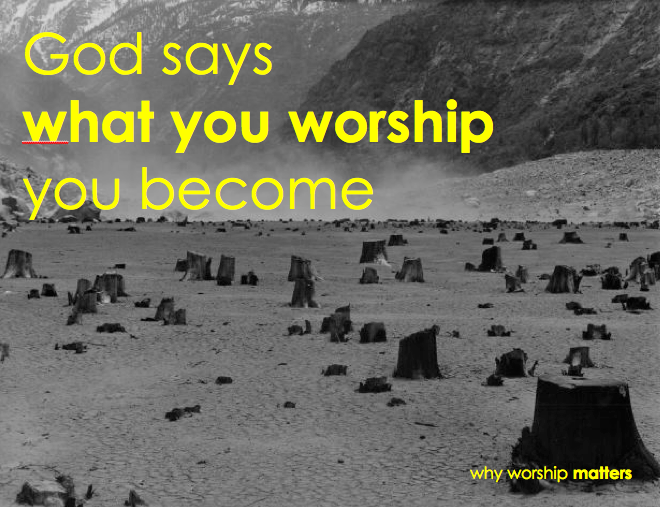
Consequence [vs.11-13]: spiritual stumps

Isaiah asks a heart-filled question, “How Long?” The response is grim, “until there is complete devastation.” The children of God—His chosen people—will be like stumps. In other words, they will be an illustration of a ruined life to the world. Can you think of some so-called followers of Christ who are pictures of a ruined life?

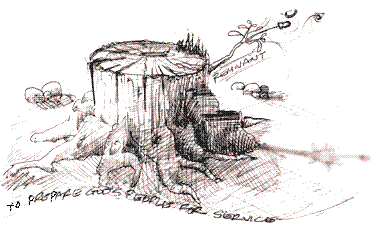
However, in the midst of the smoke and rubble a remnant remains [cf. v.10 “return and be healed”]. God promises restoration no matter how far gone or deep under water His people have become. In the midst of chaos there is always Cosmos. God is a Restorer [Note: in Isaiah 7-9, God promises a Restorer who will come to His people]. Jesus is the Seed that will sprout from the stump and Restore His people through His work on the cross [cf. Isaiah 7:14; 11:1-2; 53].

Making it real: Imagine next Sunday you go to church to attend the worship service and imagine yourself in the throne room of God because He is present. Since He is here how could that affect how the Word penetrates or what comes from your mouth? Who is on the throne in your life? Who rules and calls the shots? How can the characteristics of God give you hope in times of weakness or temptation? What idols are gripping your heart?

Worship is part of our God-given DNA. We are wired [pre-wired] to worship! We were made for God [cf. Roman 11:36]. Worship begins and ends with God. He is the center of our existence. Worship is what God is all about. Worship matters because it matters to God.

Worship matters because God is [alive, authoritative, omnipotent, majestic, revered, holy, and glorious], God is pursuing willing worshipers [STOP, DROP, and ROLL], and what you worship you will become for your ruin or restoration.


a fruitful look at forgiveness

We have defined forgiveness as a decision to treat an offender as if the offense never happened at all. Forgiveness is a choice. Forgiveness is an event, not a process [i.e. Jesus on the cross]. Forgiveness is not forgetting, rather it is not dwelling. Forgiveness is like taking a trash bag full of pain and hurt and throwing it away. However, many people like to go to the dump and dig through their old dirt, but that gets you more messy and stinky.

The Bible paints a picture of forgiveness as a tree with deep roots and healthy fruits. The Bible uses this illustration to say that what comes out of a man’s mouth shows you what is in his heart [cf. Luke 6:43-46]. The root of the matter is the heart. The fruit is our behavior. Ephesians 4 gives a practical principle of how to test the quality of fruit by getting at the root issue. God has not called us to be fruit inspectors; rather we are to be root investors.

When I hold onto unforgiveness I will produce destructive fruit [Eph 4:31].

We often ignore or fail to realize the cost of unforgiveness. The cost of unforgiveness is loss of intimacy with God, loss of relationship with others, and stunted spiritual growth [i.e. put off—bitterness, rage, anger, etc.]. If I do not deal with my ungodly anger quickly it will soon be snowball that ends in a deadly avalanche.

I want you to get a real look at forgiveness [Is.55:8-9 “For my thoughts are not your thoughts, neither are your ways my ways, declares the Lord. For as the heavens are higher than the earth, so are my ways higher than your ways and my thoughts than your thoughts.”]. This is not just a passage about the bigness or smartness of God, in the context it is about His forgiveness. You see we measure our forgiveness with a yardstick: Are they worthy of my forgiveness? And how much am I suppose to forgiven them? God’s forgiveness cannot be measured or compared to our view of forgiveness. Our forgiveness is so little compared to God’s. We cannot conceive the boundaries on God’s forgiveness.

When I unleash forgiveness I produce delightful fruits [4:32a]

“Be kind to one another, tenderhearted, forgiving one another.” When I put off the fruits of the old man and begin to live as the new man Christ created me to be I begin to bear fruit that is in His likeness [cf. Gal.5:16ff]. His image has rub off on me. You cannot fake this kind of fruit for long. It is the result of an intimate relationship with the maker and sustainer of the universe.

Growing up my grandpa Dale had a few apple trees. The apple tree didn’t produce much. It just produced dry, wrinkled, brown and mushy apples. Let’s say gramps decided to fix the tree one year. He went out to the tree with trimmers, a staple gun, stepladder and a box of apples he bought from the store. He cuts off the bad apples and puts on the new store bought ones. Did he fix the tree? Stapling apples will not help because they will just rot too. Forgiveness that doesn’t reach the heart [roots] does not last. Cosmetic changes never satisfy. Are you stapling fruit? You can know if you are forgiving person if you have the freedom to give your best, most, and greatest to God and others without reservation.

Why do I need to be forgiving? What is my motivation? [4:32b-5:2]

“As God in Christ forgave you…” When I forgive I am most like God [cf. Matthew 6:12]. I want to be forgiving because I realize how much I have been forgiven. Stop for a moment. Think about all God has forgiven you. Are you amazed? How can you not be impacted by that truth? Think about those you are having a difficult time forgiving. How can God’s forgiveness motivate you to forgive today?

I am certainly no trekkie, but in conclusion we are going to take forgiveness through to the fourth dimension. Here is how we must deal with unforgiveness: First, defer to God. All forgiveness is from God—He is the final frontier [John 20:22-23]. Second, decide to take the initiative. God gives the grace, and you must you decide to enter the race [cf. Lk.15:20; Rom.12:18]. Third, disengage from your emotions. Even if you don’t feel like forgiving that is not an option [Gal.5 “fruit of the Spirit”; Is.43:25]. Fourth, the final dimension is to deliver your enemies to God through much prayer [cf. Luke 6:27-28].

Why is Easter so significant?

So what? Why is Easter so significant? The simple answer is: God conquers sin and gives you a means to eternal life.

We tend to get lost in the bigness of life and we question what one person can do. We hear about the billions of people who roam this planet and it boggles our minds. There are nearly 7,000,000,000 people on this earth. That is a lot of zeros. How could anything significant or generationally impacting can from one man’s work? Oh, but without that One Man there would be no billions of people.

One man plunged mankind into sin.
One Man brought salvation to humanity.
By one man death come upon all.
Through One Man came grace to eternal life.

The resurrection of Jesus from the grave is eternally significant. It is the central theme and climax of the gospel [Matthew 28:1-10]. Without Jesus’ resurrection I have no hope of resurrection to life either. In order for Jesus to rise He had to die [1 Corinthians 15:1-4]. This is the message and truth of the gospel.

If there is no resurrection all that I am telling you is a lie [1 Cor. 15:14]
If there is no resurrection your faith is a farse [1 Cor.15:14]
If there is no resurrection your life is pointless [1 Cor.15:15]
If there is no resurrection you are not forgiven [1 Cor.15:17]
If there is no resurrection when you are dead you remain dead [1 Cor.15:18]
If there is no resurrection there is no hope of life [1 Cor.15:19]
If there is no resurrection future victory is uncertain [1 Cor.15:26]
If there is no resurrection you have no hope of lasting and permanent change [1 Cor.15:14]

I would therefore conclude that the resurrection of Jesus Christ, which we celebrate each Easter is eternally significant. Do you know Him?

What is so good about Good Friday?

“What is so good about Good Friday?” asked a girl with a quizzical look. When we scan the surface of the events surrounding Good Friday they do not seem so good, in fact, they appear grotesque. How could the horrific death of the Jesus be so good, when a bloody and baffling execution appears so bad? This question begs another:

What if Jesus never came?
Or instead, accepted immediate fame?
What if He never walked this earth?
And purposed to die from birth?

What if Jesus never willfully died?
And lived a ludicrous lie?
What if He never became the sinless sacrifice?
And tumbled in temptations vices?

What if Jesus never bore God’s wrath?
And became righteousness on my behalf?
What if He complained and moaned?
And left my sin unatoned?

What if Jesus copped out of the crucifixion?
And put a pause on propitiation?
What if to Him redemption did not matter?
Or withheld glory from His Father?

What if Jesus decided not to save?
Or remained hidden in the grave?
What if He failed to rise again?
Or reconcile mankind from within?

I thank God that He did die that day,
Demonstrating and redefining a Good Friday.
Amidst sorrow and melancholy mood,
I can confidently say, “We got IT good.”

gospel gumbo

This week Louisiana celebrated Mardi Gras. When I think of New Orleans and Bourbon Street I can almost smell Gumbo. Mmm. Just thinking of it makes my mouth water and forehead sweat. There are myriads of recipes for make a good gumbo. Some add unique ingredients because they like it spicy, others like it soupy, while others like it meaty. The gospel on the other hand has only one recipe. It is important to get the recipe for the gospel right. There are essential ingredients that make up the gospel and without them there is no gospel. Here are good questions to ask to make sure you have the right gospel:

Am I sure of the seriousness of my sin?
[Romans 3:21-23] The doctrine of sin is serious stuff. Life and death hang in the balance depending on how you deal with this doctrine. We often have a low view of sin, though we sin it so often we struggle to accept that we are sinners. We become so familiar with sin that we come to accept it.

The Bible is realistic about my condition: I am rebellious to the core. Just ask my wife. I am selfish. I am gravitated toward sin more than obedience to God. My heart is utterly wicked. God does not want to just change my behavior, He wants to change me from the inside out. Lasting and permanent change comes from the heart, the hub and control center of the human soul [Proverbs 4:23].

Am I awestruck by the substitutionary atonement of Christ?
[Romans 3:24-25] There is so much wrapped up this theological statement. The substitutionary atonement of Christ is the biblical truth that Jesus made the only sufficient sacrifice for sin to appease my sinful state. Jesus Christ and His work are the essence of hope. This hope is not in my theological knowledge or experience, but it is in the awesome bloodshed of my Savior [Galatians 2:20]. It is He that desires to rule in my heart this moment and forever [Ephesians 2:22-23].

Am I really aware of my need to repent of my sin? And am I aware of my need to follow through with real faith in Christ? [Romans 3:26; cf. Acts 26:20; Galatians 3:11] I put repentance and faith together because they really do go together. With all that God has done for me I cannot simply be passive. The gospel calls me to action. A gift so great doesn’t deserve just a “thank you,” it desires, “I can never repay you God, but I will do whatever you ask from now on and forever more.” The gospel not only affects the moment I commit my life to Christ, but also my walk with Him thereafter. The struggle of sin never ceases until I leave this sod, so I need His grace daily [Titus 2:11-13].

Without a submission of your spirit to the Scripture behind these questions, there is no gospel. The gospel is different than gumbo. The gospel is not just a mishmash of facts or a buffet of manufactured ideas, rather it is the life-transforming truth of Jesus’ death, burial and resurrection that will forever change you. That is good news!

I have adapted this post from Is It Soup Yet?

lies we believe about following Christ

How are you doing as a follower? As a follower of Jesus? Are you making follower of Jesus? Depending on your answer you might be joyful and excited or confused, guilty, and frustrated.  There are some misconceptions of what a follower of Jesus is and what the process of becoming more like Jesus really looks like.  The following are common misconceptions of what discipleship is:

“I attend church and that’s enough for me.” Following Christ is a relationship. It is a lifestyle within a community. It cannot be tied to a program or church. A lot of followership can happen at church, but most of the time it doesn’t and shouldn’t. Following Christ happens in a community of followers doing life with one another [Hebrews 3:12-13; 10:24-25]. Following never happens alone. If your only following is sitting under your pastor for an hour or two a week that is a poor view of followership.

“I can grow on my own.” Left to ourselves following Christ does not happen–for long [Luke 9:57-62; Romans 12; 1 Corinthians 12; Ephesians 4:11-16]. I grow by becoming constantly confronted with the gospel of Jesus. Lone Ranger and Tivo Christianity do not cut it. I must be willing to count the cost and commit to be vulnerable within a family of followers.

“I am more mature now; following is for new Christians.” You are never too old to be discipled. Seasoned Christians realize that problems do not go away because they are Christian, they simply realize they are sinners [1 Peter 4:12-13]. Until we leave this planet we will continually struggle with sin and our faith. As a follower of Christ, I am not quite like my Master yet, so there is room for followership.

“I read my Bible.” We must not be content with only reading and knowing more about the God of the Bible. Some Christians are like an overstuffed Chipolte burrito. It is not just what you know, but what you do with what you know [James 1:19-27]. There is a great difference between being a student and a follower.

“I am not responsible to change everything.” Following Christ cannot be compartmentalized or systematized. It is all of me or none of me. Christ wants to be all and in all. Christ wants to be involved with my money, parenting, marriage, singleness, career, resume, fashion, habits and more. Sound intrusive? That is discipleship. It is not behavior modification, rather it is dealing with sin and living like Christ. True followership takes all of Christ’s teaching and applies them to our life.

“I do not have time.” If someone in your family dies you make the time to be with the ones you love. You ask off of work, you reschedule your plans because family matters [Luke 9:57-62]. So it is with your faith and the faith of others around you. Followers understand they have been given a whole new identity, a whole new agenda, a whole new mission, a whole new community, and a whole new life through the gospel. Followers of Christ make the time because it is a relationship with a living God and our faith at times of dying.

“I don’t know enough about the Bible.” Followers are not just theology PhD’s or seminary trained pastors. In Jesus day, they were fishermen, tax collectors and everyday people fired up about what Christ can do in a life. If you have a Bible, if you have one verse memorized or if you are a follower of Christ that is breathing you can disciple [1 Corinthians 11:1]. Sharing the gospel is enough.

“I am worried I will lead other followers astray.” If you stick to the Word of God and teach the truth therein you are not accountable for how others respond to God [2 Timothy 3:16-17, 4:1ff]. Speak the truth in love. Even your struggle with sin is a great teacher [Colossians 3:13; Philippians 3:12-13]. Authentic followers attract more followers than they distract.

Following Christ is learning what it means to live your whole life in light of the gospel of Jesus. Living as a follower of Jesus is learning how to live in the reality of this new life you’ve been given through faith in the gospel. Not that it’s easy, or without pain or cost. The joy and excitement of living in light of all that God promises in the gospel outweighs any pain or cost.

the uncool Jesus

Is it politically or even spritially correct to say that I don’t like Christian bookstores? Marketing the Christian faith is silly. Do you think Jesus could imagine His image of clothing, bobble-head doll, iTunes, a superstar Broadway show, and crucifix’s. Nothing fires me up more than a walk through a over-advertised faith-based bargain bonanza. I admit I am quite biased and bruising in my characterization of Christian bookstores, so please forgive me if you are offended. However, I did buy a worthwhile book at a Family Christian Bookstore last week.

Here is my point: Quit trying to make Jesus hip. He wasn’t cool back in His day. Many followed Him because of His miracles and teachings, and like He said, “Not all follow me because they are believers.” [John 20:24-29; Luke 14:25-33; Luke 9:23-27, 57-62] Today, a plethora of books by cool pastors or popped-collar authors are portraying Jesus as fashionable and palatable for the masses. The billboard of their message states, “Hey, check me out, if I am cool, Jesus is too.”

Jesus is uncool. He challenges your status-quot. He convict us of sin. He rocks the religious. He baffles those who bank an afterlife on their own merits. He infuriates those who demand rights. He belittle the sacred systems some establish. He was a revolutionary that didn’t do what the people demanded. His way was a paradigm shift. He was simple, common and if He were in today’s world would be a guy who would have hung drywall in new housing developments. He was friends with the losers, infected, handicap, psychotic loonies, IRS agents, and women of the red-light district. He probably had dirty feet, coarse hands and olive colored skin. He made people feel awkward, enraged and overwhelmed. Jesus was beaten up by bullying mockers. He was killed by people who thought they were cooler than Jesus and his claim to save them of their sins.

I am convinced Jesus is the sweetest, but I do understand to many He is the smell of stench [2 Corinthians 2:14-16].

two words

lion and lamb

As you think about Jesus, what two words would you use to describe Him? What if the character of Christ was reducible to two ingredients? John 1:14 says that Jesus was full of grace and truth. Could it be that “being like Christ” can be summarized in these two words? He was “full of grace and truth,” not 50/50, 60/40, 80/20, but 100/100. What would it be like if Jesus was full of grace and no truth? Or full of truth and no grace?

In the gospels we see Jesus living out this grace and truth in His ministry. He is both Lion and Lamb. Some were drawn to Him and repelled by Him because of His characteristics of grace and truth. If we offend EVERYBODY it is probably because we speak truth without grace. Have you known people like that? When we offend NOBODY it to probably because we are watering down truth for grace. We need both. We need 100% of both.

I do not play a guitar, but I am aware that if the strings are loose the guitar sounds awful. It the strings are too tight they can break or cause discord. The same with grace and truth; the “music” of the gospel message is when there is perfect tension between both.

TRUTH

One of the biggest complaints about Christianity is that it is a bunch of rules [do’s and don’ts]. Yet Christianity is not about what we should avoid, but about who we should embrace. If we talk about do’s and don’ts more than Jesus our view of truth is out of whack.

Truth is like a guardrail that protects us from plunging off a cliff. I remember the curvy roads as we drove through Rwanda. There were no rails on these steep jungle cliffs. We even saw a few places where people drove over. We had a lot of faith in our speedy driver. A smart driver doesn’t complain about the guardrails because they protect. The guardrails of Gods Truth are not to punish, but to protect.

It is not arrogant to believe that Jesus is the Truth [John 14:6]. It would be arrogant if we had come up with it, but we didn’t. we’re just repeating what Jesus said. It’s not arrogant to repeat what the Bible teaches. Arrogance is when we try to tailor truth to our preferences.

You may not be the most popular person for it, but be a person of truth. Tell people about Jesus and His teachings. The best way is to live it.

GRACE

The song Amazing Grace was written by John Newton. Before he wrote the song he was a captain of a passenger ship. The ships passengers were slaves. He would acquire his slaves from Africa and transport them to America were the slaves were sold like animals at the State Fair Auctions. Radically God changed his life. He went from abusing slaves to pastoring and opposing the slave trade.

Amazing Grace. How sweet the sound that saved a wretch like me!

I once was lost, but now am found; was blind but now I see.

When John Newton was 82 and near death he said, “My memory is nearly gone, but I remember two things: I am a great sinner and Christ is a great Savior.” That is Truth mixed with Grace. Grace is no excuse to sin. Grace reminds us of what our sin has freed us from. It empowers us to say no to sin and hello to Christ.

I am a wretched sinner. I’m not so good after all. I do not deserve God’s love and forgiveness. I deserve much worse. God’s grace is amazing when I realize who I am and who God is. Without Truth we lack conviction [No truth = no need for salvation]. Without Grace we lack compassion [No grace = no hope for salvation]. What we need are people of truth and grace.