brief but big

Climbing up Mount Everest for a fit team can take almost two months from base to summit. Most climbers upon reaching the summit will stay for only 15 minutes before making their way back down. Why such a brief stay on such a big climb? One would say that they had been admiring the beauty of their surroundings during the entire climb from the base to the top. Getting to the top was a great accomplishment, but the climb was greater.

Reading the book of Hebrews could be a lot like climbing Mount Everest. All along the way we behold the beauty of Jesus. With each step we see his greatest. Once at the summit there is not much more to say, but there is a lot to celebrate.

As we reach the end of the climb, the author of the letter of Hebrews wraps up his letter by saying, “I have written to you briefly.” (v.22) Surely he is being sarcastic, right? By today’s standards, if this letter was an email it would take about an hour to read aloud. It’s the kind of email many would skim through or file for another day when there was more time to read it.

Hebrews is a big letter that makes a big difference. It desperately needs to be read and understood by Christians today. It is a letter that teaches and changes lives. So how does the author close such a letter?

“Now may the God of peace who brought again from the dead our Lord Jesus, the great shepherd of the sheep, by the blood of the eternal covenant, equip you with everything good that you may do his will, working in us that which is pleasing in his sight, through Jesus Christ, to whom be glory forever and ever. Amen.

I appeal to you, brothers, bear with my word of exhortation, for I have written to you briefly. You should know that our brother Timothy has been released, with whom I shall see you if he comes soon. Greet all your leaders and all the saints. Those who come from Italy send you greetings. Grace be with all of you.” – Hebrews 13:20-25

First, he closes with a blessing in Jesus name (vs.20-21). It is a fitting conclusion to the letter in which Jesus was the big idea from beginning to end. There is no greater document in the New Testament that explains the correlation of the Old Testament to the work of Christ, than Hebrews. Even the last few verses are jam-packed with Christology and the practical out-working of that theology. In other words, the out-working of Christ’s work has a continual in-working within Christ’s followers.

Second, he closes with a charge and good wishes (vs.22-25). Ink could not tell all he wanted to say, but it will have to do for now. In the same breath, he wishes to visit his readers soon with Timothy who was just released from prison. This in a roundabout way connects the author to Paul’s ministry, possibly in Italy. We may never know who the author was, but he certainly wrote a stellar thesis on the life and ministry of Jesus.

Hebrews may be a difficult letter to digest in one sitting. It is like a dinner of thirteen courses with each chapter being a meal of its own. Each meal filling and satisfying the soul. Each meal giving us a greater and greater taste for Jesus, the undoubted big idea of Hebrews. The author masterfully shows how there is no equal nor rival. Jesus is above all. He is not only great, he is the greatest of all.


Questions for Reflection:

  • What are your overall thoughts, impressions, and takeaways from the letter to the Hebrews?
  • What did you learn about Jesus from this letter? How did you love for Jesus grow? If you were the author of Hebrews what more would you want to say about Jesus?
  • How is Jesus the big idea of the letter? How does the letter show that Jesus is the greatest of all?
  • How does a theology of Jesus impact practice? In other words, how does knowing about Jesus’ life and work affect the way you live?
  • What would you like to go back and discover more about within the letter?
  • Write a short prayer of adoration or appreciation:

walking in obedience

What emotions stir up within you when you hear the words obedience, submission, and leadership? For many these words conger up anger, skepticism, disappointment, even rebellion. We live in a culture that bucks against authority, challenges leadership, and grumbles against submission.

Yet can you imagine a world without leadership? Homes without parents leading their children. Businesses without managers overseeing production. Nations without government protecting people. Churches without pastors caring for their flock. It may be delightful for a moment, but in the end it would be chaos.

On the flip-side, leadership can be a lonely responsibility because you have to do hard things, deal with difficult people, and lead by example. A leader has a great responsibility. Leadership is not a position with special perks and privileges. In the words of Scripture, a leader “watches over your soul.” (v.17a)

“Obey your leaders and submit to them, for they are keeping watch over your souls, as those who will have to give an account. Let them do this with joy and not with groaning, for that would be of no advantage to you.

Pray for us, for we are sure that we have a clear conscience, desiring to act honorably in all things. I urge you the more earnestly to do this in order that I may be restored to you the sooner.” – Hebrews 13:17-19, ESV

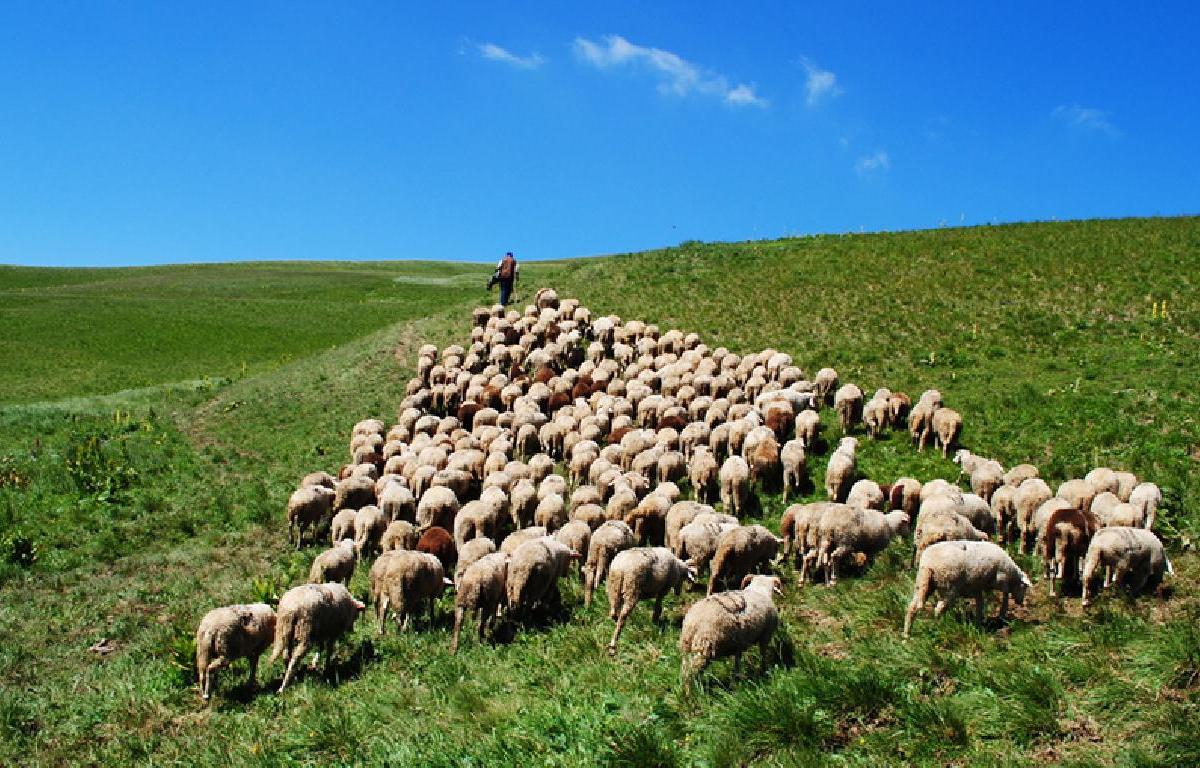
The shepherd terminology in this text is crucial to understanding leadership. The Bible often calls Christians sheep. Sheep are prone to wander. Jesus was known as the Great Shepherd knows all his sheep by name and brings them to himself (John 10:1-18). Jesus even cares to bring the one lost sheep home (Luke 15:1-7).

Pastors and leaders are essentially under-shepherds of the Great Shepherd. They, like Jesus, have the job of watching and protecting their flocks from harm. It is a job they will give an account to God (v.17b). So leaders submit to Jesus as Jesus submits to his Father. By obeying our leaders and submitting to them we are helping them to do their job with joy (v.17c). For a joyful follower makes a joyful leader.

The author of Hebrews gets personal. As a leader himself he asks prayer for a clear mind and honorable life (v.18). He feels the weight of his responsibility. He knows his weaknesses. He is is okay being vulnerable. He wishes he could be on the other end of the letter with the recipients, which shows his shepherd-heartedness (v.19).

It is wonderful when leaders seek the prayer of people they lead. Prayer is a huge ministry to leaders—entrusting them to God. This is the first step of walking in obedience.


Questions for Reflection:

  • Why are leaders often under a lot of scrutiny and criticism? Why is our culture so anti-authority or submission? What is your response to leadership?
  • Why are leaders necessary for the church? How can you encourage the spiritual leaders in your life? How can you pray for your leaders?
  • How is the term shepherd a fitting term for a leader? How is the term flock a fitting term for the church? How do shepherds watch over your soul?

walking with God

Have you heard of the song by the band, The Proclaimers, with the chorus, “But I would walk 500 miles, and I would walk 500 more, just to be the man who walked a thousand miles, to fall down at your door”? Well, one man’s girlfriend took those song lyrics and said, “If you walk 1,000 miles, I’ll walk up the aisle to you!” He didn’t know she was joking, but he did it anyway.

As strange as that story may sound God’s story is stranger. God created the world and made man from the dust of the God. God walked in the garden with the first couple. When given a choice the couple rejected God. Later generations made images of gods after their own liking. While this broke God’s heart, he loved mankind so much that he came into the world as a man and walked in our shoes. He carried the cross and sacrificed himself so that man could walk right with God once again.

To sacrifice is to give up something important or valued for the sake of something regarded as more important or worthy. We will readily sacrifice time and treasures for others who have a need. We will sacrifice reputation for something we believe in. We will sacrifice our life for someone we care about who’s in danger.

The biblical idea of sacrifice—slaughtering an animal and sprinkling its blood on the altar—may seem archaic or barbaric. The idea of sacrifice according to the Jewish law was to shed the blood of an animal to forgive the sins of a man. However, no blood of an animal could legitimately forgive the sins of a man. The people knew this. God knew this. It had to be a man sacrificed for a man. A human sacrifice. A man without blemish—no sin in him. Jesus was that man and his blood was sufficient to cover all sin.

Hebrews beautifully shows how all the Old Testament, particularly the practices and symbols, point to Jesus. For example, the tabernacle and temple had an altar on which daily sacrifices were made. The author connects this altar with Jesus’ death and sacrifice (v.10). Sacrifices for sin were to be burned outside the camp. Likewise, Jesus suffered outside the camp on a criminals cross (vs.11-12).

“We have an altar from which those who serve the tent have no right to eat. For the bodies of those animals whose blood is brought into the holy places by the high priest as a sacrifice for sin are burned outside the camp. So Jesus also suffered outside the gate in order to sanctify the people through his own blood. Therefore let us go to him outside the camp and bear the reproach he endured. For here we have no lasting city, but we seek the city that is to come. Through him then let us continually offer up a sacrifice of praise to God, that is, the fruit of lips that acknowledge his name. Do not neglect to do good and to share what you have, for such sacrifices are pleasing to God.” – Hebrews 13:10-16, ESV

Just as Jesus had to suffer and endure much, so will Jesus’ followers. As Jesus sacrificed himself for all (7:27; 9:12) so believers are called to offer ongoing praise from their lips and lives to God (vs.15-16; cf. Romans 12:1). He is pleased with these sacrifices.

Walking with God is a sacrifice. We have to sacrifice our ability to walk alone or in our power and wisdom.  When walking with God, he does the walking. He went the distance for his Bride. He made the greatest sacrifice. God longs and loves to walk with you. The reward of walking with God is a place in the everlasting city (v.14). And that’s no joke.


Questions for Reflection:

  • How did the tabernacle and the articles within point to Jesus? How did the sacrificial system ultimately culminate with Jesus’ sacrifice?
  • How did Jesus suffer outside the camp? How do believers suffer “outside the camp” like Jesus? Why would this mean great enduring for the believer?
  • What does it look like to praise God with your lips and life? How are you a living sacrifice? What sacrifices do Christians make for the name of Christ?
  • How is the promise of an everlasting city a satisfying reward? What is to look forward to in that city?

walking purely

I remember like it yesterday. The doors in the back of the church swung open wide and there walked in my bride. She was bright eyed and blazing in her white gown. It was, is and will be one of the most beautiful and purest images in my mind. There is no wonder God refers to the church as his bride.

Purity in the Church—the Bride of Christ—is just as important as purity for the individual. Continuing in the thread of Hebrews 13:1-3 the authors shares four rapid-fire characteristics for believers and the church to walk purely.

“Let marriage be held in honor among all, and let the marriage bed be undefiled, for God will judge the sexually immoral and adulterous. Keep your life free from love of money, and be content with what you have, for he has said, “I will never leave you nor forsake you.” So we can confidently say, “The Lord is my helper; I will not fear; what can man do to me?”

Remember your leaders, those who spoke to you the word of God. Consider the outcome of their way of life, and imitate their faith. Jesus Christ is the same yesterday and today and forever. Do not be led away by diverse and strange teachings, for it is good for the heart to be strengthened by grace, not by foods, which have not benefited those devoted to them.” – Hebrews 13:3-9, ESV

First, honor your marriage (Hebrews 13:4). Today less than 50% of couples get married and the majority of couples are cohabiting rather than marrying. It is more common to test-driving marriage than to actually marry. This has led to a lower level of relational commitment and a greater distancing from moral purity. Yet this is just one aspect of purity. As purity is not just an idea before marriage but within marriage too. God expects the marriage bed to be pure from any form of casual or illicit immorality. In the mind of God, marriage pictures something big—Jesus’ love for the church. When marriages disintegrate so does the testimony of the church, but when marriages fight hard for purity so flourishes the church.

Second, love not money (v.5a). The only sure way to keep your heart pure from a love of money is by being content with what you have, especially in seasons of uncertainty (v.6). Why? Attached to this call for contentment is a mammoth promise—God will never abandon you (v.5b). Allow that truth penetrate your soul deeply. If you divorce yourself from this truth it lead to a lust for money, possessions, and discontentment. Ultimately everything, including money, career, health, security, comes from God.

Third, remember your spiritual leaders (v.7; cf. vs.17, 24). Leaders are to live pure and exemplary lives, and we are to imitate their faith and study their way of life. An issue can arises when we put too much faith in a spiritual leader to meet our spiritual needs. When a spiritual leader has failure or falls we can become disappointed and disillusioned. A good leader will point people to Jesus who never fails and will forever remain (v.8).

Fourth, guard your heart from strange teachings (v.9). Our hearts are easily distracted towards teachings what tickle our ears or stroke our ego. In the process we can commit adultery of the mind as we align ourselves with unbiblical teachings. It is important to weight all teachings against the Word and walk away from teachings contrary to it. If we build on this sturdy and stable ground we will walk purely.

Purity may seem old fashion, yet modern people would not think twice about drinking pure water, eating pure foods, or breathing pure air. When purity in marriage, money, spiritual leadership, or biblical teachings are abandoned the results are as grave on the soul as breathing smog, drinking poison and eating toxins. While purity is a gift from God that we cannot get back once given, it can be forgiven and made anew again.

Are you committed to walking purely? Then “Walk as children of light (for the fruit of light is found in all that is good and right and true), and try to discern what is pleasing to the Lord. Take no part in the unfruitful works of darkness, but instead expose them.” (Ephesians 5:9-10) No matter where you are start today by walking in the light.


Questions for Reflection:

  • What is the biblical picture of marriage? How does the word tarnish and diminish this image? How does Jesus and the church redeem the image? How can we help one another keep marriage pure?
  • What is something that you don’t have that you wish you did have? Are you content without it? What makes us want what we want when we want it? How is money a huge culprit to a lack of contentment?
  • How does God’s never abandoning promise encourage you? How is God your Helper? What are things we want God to help us with that he doesn’t promise to help with?
  • Who is a spiritual leader you look up to? How do they mimic Christ? How can you follow their lead?
  • What kind of teachings tickle peoples ears and stroke their egos? Why is it good to weigh all words you hear in church against the Word of God? How can you do this without being extremely critical of teachers and pastors?
  • Is there an area of impurity in marriage, finances, leadership or teaching that you need to ask God’s forgiveness? Which area of purity is your greatest struggle? How will you allow the church to help or encourage you?

walking with others

In our first year of marriage, my wife and I took a hiking trip together in the Rockies. We got new packs and packed light. We planned our trip well. When the day came to walk the 6 miles up the mountain we knew it would be a difficult climb. It was a good thing that we were together because it would have been much more difficult to walk alone. We were able to encourage each other steps and help carry ones pack when tired.

Walking with others in the church is both beautiful and arduous. Those two characteristics cannot be separated. As we struggle to do life with one another the old adage is true—it’s hard to live with them but we can’t live without them. The way we walk with one another demonstrates the beauty of Christ and the hard work of striving to make him famous.

There are three encouragements the author of Hebrews gives for walking with others. First, love like a brother. Brotherly love is a family-like intimacy (v.1). A family member shares blood and dirt. You know things about one another that most do not. In the community of faith, we have the blood of Jesus in common, we are adopted into the family of God, and we share a level of intimacy that is otherworldly. It is a relationship we will share into eternity. This is good reason to get along in the here and now.

“Let brotherly love continue. Do not neglect to show hospitality to strangers, for thereby some have entertained angels unawares. Remember those who are in prison, as though in prison with them, and those who are mistreated, since you also are in the body.” – Hebrews 13:1-3, ESV

Second, show hospitality. Typically hospitality provides room and board to strangers, but it also demonstrates a willingness to place someones needs above your own. Jesus is our example of what hospitality looks like. He came to serve not to be served. Like Jesus we are all strangers in this world. Showing hospitality can surprise those we serve with a bountiful meal inside out and in the process we might even entertain angels (v.2).

Third, remember the persecuted (v.3). You may know brothers and sisters who are suffering for the Name of Jesus. By ministering to those who are mistreated you are pouring on them encouragement and strength (cf. 11:25,37). We will all suffer for the sake of Christ. That is a promise from the mouth of Jesus himself. It is our badge, but we’re in this together. It is a mutual blessing to carry your brothers burden, especially when he is facing mistreatment for the Name as he will likely carry yours one day too.

Walking with others is hard because walking with Jesus is hard. Yet walking through the fire together produces a beautiful Body that you are a member.


Questions for Reflection:

  • What makes people hard to love? What makes you hard to love sometimes? Who is someone that is hard for you to love? How can you demonstrate brotherly love to them?
  • How does Jesus demonstrate brotherly love? Who are some hard to love people he loved well? What do you learn from him about how to love well?
  • What do you think of the you think of hospitality? Does hospitality natural or unnatural for you? When is it hard for you to show hospitality? What is the battle to serve and be served like within you? Can you think of a time you were shown hospitality? How did that bless you inside out?
  • Do you know someone suffering right now for Christ? How are they being mistreated? How can you minister to them? We are a Body, so as they suffer how are you suffering with them?
  • As you walk with others this week, which of these characteristics do you want to grow in most? Why?

The Future’s Work in Faith

When you consider your future it will have an impact on how you live now. In other words, eyes that are fixed on a future hope will inevitable impact where the feet tread today. When it comes to faith it is no different. Hope of the future has its work in faith.

God is sovereign and powerful. He shook creation and history with his presence. The image of Exodus 19-20 was not a small pyrotechnics show at Mount Sinai. God appeared in blazing fire, ear-piercing noise, and trembling earth. God said that if anyone but Moses touched the mountain they would be scorched on the spot. The people of Israel freaked out, Moses himself was afraid, and the people begged Moses not to experience God like this again (Hebrews 12:18-21). Who would blame them?

“For you have not come to what may be touched, a blazing fire and darkness and gloom and a tempest and the sound of a trumpet and a voice whose words made the hearers beg that no further messages be spoken to them. For they could not endure the order that was given, “If even a beast touches the mountain, it shall be stoned.” Indeed, so terrifying was the sight that Moses said, “I tremble with fear.” But you have come to Mount Zion and to the city of the living God, the heavenly Jerusalem, and to innumerable angels in festal gathering, and to the assembly of the firstborn who are enrolled in heaven, and to God, the judge of all, and to the spirits of the righteous made perfect, and to Jesus, the mediator of a new covenant, and to the sprinkled blood that speaks a better word than the blood of Abel.” – Hebrews 12:18-24, ESV

You are invited to another mountain—Zion. The image of Zion is greater and more epic than Sinai. Countless angels will be there. Throngs of heaven will be there. Saints from all ages will be there. God as Judge will be there. Jesus as the Mediator of the New Covenant will be there. The city of God is a holy and awe-filled sight (vs.22-24).

No one will be able to run, hide or ignore the fact that God exists. On that day in the near and not so distant future you will appear before him who is utterly inescapable. He who shook the earth will shake the heavens. When he shakes it this time it will be a sifting. Above all the kingdom of God will stand and for this God will be praised because is worthy of all worship, reverence, fear, and awe. He is God and holy is his name—a consuming fire (vs. 25-29).

“See that you do not refuse him who is speaking. For if they did not escape when they refused him who warned them on earth, much less will we escape if we reject him who warns from heaven. At that time his voice shook the earth, but now he has promised, “Yet once more I will shake not only the earth but also the heavens.” This phrase, “Yet once more,” indicates the removal of things that are shaken—that is, things that have been made—in order that the things that cannot be shaken may remain. Therefore let us be grateful for receiving a kingdom that cannot be shaken, and thus let us offer to God acceptable worship, with reverence and awe, for our God is a consuming fire.” – Hebrews 12:25-29, ESV

The future image of Zion is wowing. Even now, it’s quite the stimulus package for the imagination. That you are given a sneak peak at what is to come is meant to inflict you with great excitement and trepidation. Zion is meant to shake your faith and affection towards the God who is unshakeable.


Questions for Reflection:

  • Read Exodus 19-20. What do you learn about God? What do you learn about the people of Israel? How would you respond if you were present that day? How is God a consuming fire?
  • Now read Revelation 20-21. What do you learn about God, Jesus and heaven? What awes you about these verses? What assurance do you have that these verses are true? How must these verses about the future impact your now?
  • How can we ensure that we are frequently remembering our eternal inheritance in heaven? What difference should the knowledge of this glorious future make to the way we live our lives now?

The Church’s Work in Faith

I once heard a church member say, “The church would be a lot more peaceful if there weren’t any people in it.” As true as that statement may sound, what would the church be without people? No church at all.

A church is a community of imperfect people striving for peace together (Hebrews 12:14). This is no easy task. Often it is exhausting, discouraging, heartbreaking and wrought with conflict. However, relationships, especially difficult ones take work, but the rewards of these relationships are rich and healthy to your faith (vs.12-13).

What is the goal of the church? A church can have many goals, but the author of Hebrews cues us into a common goal—to aim for peace with all and live holy before Christ (v.14). This is the pathway to growing a great church.

“Strive for peace with everyone, and for the holiness without which no one will see the Lord. See to it that no one fails to obtain the grace of God; that no “root of bitterness” springs up and causes trouble, and by it many become defiled” – Hebrews 12:14-15, ESV

The church that received the letter to of Hebrews was experiencing persecution from outside the church and conflict from inside the church too (v.15). How discouraging would that be? Who would want to visit that church? Yet this is what church is like for many around the world. Living in a fallen world with broken and imperfect people, the church often reflect the world. That is okay. It is no reason to dog the church. Church and relationships are messy. Yet the church working together in grace is light and example to the world of what grace looks like between imperfect people who love the Perfect Christ.

Work in the church begins with confession. There is great power and freedom in confessing our sins to one another and encouraging one another (James 5:16). The power in confession is that we admit we cannot fight alone. We need one another. We are weak, but together in Christ we are strong. A force hell cannot reckon with.

“Therefore, confess your sins to one another and pray for one another, that you may be healed. The prayer of a righteous person has great power as it is working.” – James 5:16, ESV

The example of Esau is a serious warning for the church (vs.16-17). In the story of Esau, he turned his back on grace. He sold his birthright for fast-food (see Gen. 25:29ff). He did not fight for holiness rather he was driven to bitterness. When Esau wanted to inherit the blessing from his father, he was rejected—it was too late to be reversed. He became a memorable example of someone who failed to appropriate God’s grace by wasting the opportunity. Likewise turning from Christ and failing to be one’s brothers keeper will lead to ruin and sorrow in the church.

Church relationships take work. It is a two-way street. Like a family, those within the church often know intimate things about one another. A church that loves Jesus and strives for peace and holiness will grow even more intimate together because they see that the grace of Jesus can fully heal brokenness and hurt caused by sin within the Body. May we be more like Jesus with one another.


Questions for Reflection:

  • How does this passage encourage you? How is it meant to encourage you to strive for peace in the community of faith?
  • How do we reach the goal of peace with all people and live holy before the Lord, especially in the church? What happens when the community doesn’t aim for this goal with one another? How does this text help churches before of during conflict?
  • What makes relationships within the church difficult? Why is it worth the work to strive for peace and holiness? How have you benefited in your faith with the church? What would be the detriment to your faith if your were without the church?
  • What responsibility do we have to one another in the church? What is your role and responsibility to help your brothers and sisters? How will you strive for peace and holiness together with them?

God’s Work in Faith

To melt gold a goldsmith needs to stoke the furnace to over 1,000 F. However, in order to remove all the impurities and to make 24k gold the heat of the furnace is doubled to nearly 2,000 F. The hotter the purer and more valuable.

klg-777x437

God is like a goldsmith. He takes his creation made of dust, full of impurities and at times puts it into the fire to make it pure and beautiful. Nobody likes being in a furnace, but everyone like the result. It is in the fire that God does his greatest work. It is in the furnace that our faith grows.

Pain and suffering are unavoidable, but is it fruitful or beneficial? There is no doubt they get our attention. In his book, The Problem of Pain, C. S. Lewis says,

“God whispers to us in our pleasures, speaks in our conscience, but shouts in our pain, it is his megaphone to rouse a deaf world.”

In the midst of suffering it is helpful to remember that Jesus is our example. See how he suffered and faced pain. He was not immune to it. As horrific as Jesus’ sufferings were they are for our benefit (v.3). It was his pain for our gain. His sufferings are far greater than any suffering we will ever face (v.4, cf. John 18-21). Take heart!

“Consider him who endured from sinners such hostility against himself, so that you may not grow weary or fainthearted.” – Hebrews 12:3, ESV

We must understand that suffering can come from the hand of God. That might mess with your theology, but it is true. Now, God doesn’t inflict pain and suffering for fun like a mean ogre or an abusive father, but God is likened to a father and God will discipline his children. The difference between God and earthly fathers is that God always disciples out of infinite love (vs. 5-6; cf. Proverbs 3:11-12). It is his parental prerogative (vs. 7-9). If God didn’t discipline us and allowed us to get away with every evil thing we wouldn’t have any respect for him nor would we say that he is truly loving. God’s discipline stems from love because he desires to see his children learn from the heat of the furnace rather than to get away with sin and suffer even greater in hell. The discipline he gives lasts only a short time but the effects can last a lifetime (vs.10-11).

“For the moment all discipline seems painful rather than pleasant, but later it yields the peaceful fruit of righteousness to those who have been trained by it.” – Hebrews 12:11, ESV

Just like nobody likes to be in the furnace, no child likes to be discipled and no parent likes to discipline their children, but it is a necessary practice to help children grow up. God always has the right discipline to produce the right character within our heart, particularly a pure heart full of faith.  A faith that is rich and valuable.


Questions for Reflection:

  • How does God have a plan for our suffering and trials? Why is our fight against sin much lesser than Jesus’?
  • How does “considering” the sufferings of Jesus encourage you not to grow weary or lose heart in similar sufferings? What does it mean to share in Christ’s sufferings?
  • How does God discipline from genuine love? How is discipline a hard but good thing? How does discipline grow our respect and confidence in God?
  • How is an earthly father a picture of our heavenly Father? What are the limitations of this picture?
  • What is the holiness of God? How does God’s discipline produce holiness? How are you sharing in God’s holiness now?

Encouragements for Christians When their Faith is Under Fire

God never promised that this life will be easy, but he promises to be with you in the fire.

The consequences of saying that you love and worship Jesus can be real and hurtful. Those who are close to you may even turn their back on you.  For many around the world there is pain and suffering.  There is ridicule and rejection.

Peter knew what it was like to experience persecution, hardships, and suffering for Jesus Christ. This gave him a raw, yet real palate for encouraging other Christians who are walking through the same fire.

1 Peter is an excellent book to read to be encouraged.  Here are a sampling of encouragements for Christians when their faith is under fire:

In this you rejoice, though now for a little while, if necessary, you have been grieved by various trials, so that the tested genuineness of your faith—more precious than gold that perishes though it is tested by fire—may be found to result in praise and glory and honor at the revelation of Jesus Christ. (1:6-7)

Like newborn infants, long for the pure spiritual milk, that by it you may grow up into salvation— if indeed you have tasted that the Lord is good. (2:2-3)

The stone that the builders rejected has become the cornerstone,” and “A stone of stumbling, and a rock of offense.” (2:7a-8)

But you are a chosen race, a royal priesthood, a holy nation, a people for his own possession, that you may proclaim the excellencies of him who called you out of darkness into his marvelous light. (2:9)

Be subject for the Lord’s sake to every human institution, whether it be to the emperor as supreme, or to governors as sent by him to punish those who do evil and to praise those who do good. For this is the will of God, that by doing good you should put to silence the ignorance of foolish people. (2:13-15)

For what credit is it if, when you sin and are beaten for it, you endure? But if when you do good and suffer for it you endure, this is a gracious thing in the sight of God. For to this you have been called, because Christ also suffered for you, leaving you an example, so that you might follow in his steps. (2:20-21)

Now who is there to harm you if you are zealous for what is good? But even if you should suffer for righteousness’ sake, you will be blessed. Have no fear of them, nor be troubled, but in your hearts honor Christ the Lord as holy, always being prepared to make a defense to anyone who asks you for a reason for the hope that is in you; yet do it with gentleness and respect, having a good conscience, so that, when you are slandered, those who revile your good behavior in Christ may be put to shame. For it is better to suffer for doing good, if that should be God’s will, than for doing evil. For Christ also suffered once for sins, the righteous for the unrighteous, that he might bring us to God, being put to death in the flesh but made alive in the spirit, (3:13-18)

Above all, keep loving one another earnestly, since love covers a multitude of sins. (4:8)

Beloved, do not be surprised at the fiery trial when it comes upon you to test you, as though something strange were happening to you. But rejoice insofar as you share Christ’s sufferings, that you may also rejoice and be glad when his glory is revealed. If you are insulted for the name of Christ, you are blessed, because the Spirit of glory and of God rests upon you. But let none of you suffer as a murderer or a thief or an evildoer or as a meddler. Yet if anyone suffers as a Christian, let him not be ashamed, but let him glorify God in that name. (4:12-16)

Therefore let those who suffer according to God’s will entrust their souls to a faithful Creator while doing good. (4:19)

Likewise, you who are younger, be subject to the elders. Clothe yourselves, all of you, with humility toward one another, for “God opposes the proud but gives grace to the humble. Humble yourselves, therefore, under the mighty hand of God so that at the proper time he may exalt you, casting all your anxieties on him, because he cares for you. (5:5-7)

And after you have suffered a little while, the God of all grace, who has called you to his eternal glory in Christ, will himself restore, confirm, strengthen, and establish you. (5:10)

Jesus is the Great Object of Our Faith

Steve and I would ride our bikes for miles. We’d push each other faster and longer. After the ride we would wobble onto the road and run. Steve was more than 20 years older than me, but he could lap me on the run. That is embarrassing for a young guy, but exhilarating for an old guy. He knew running was my weakest event training for a Tri and he would remind me, “Justin, this is your cross to bear. Fix your eyes on the cross and run.” It did help to endure the middle of the run when I was tempted to walk or even quit.

I was a sprinter on my middle school track team. I ran the 100m and 400m. Running long distances was not my thing. Likewise, in life I would much rather endure a sprint than a marathon. However, this life resembles an Iron Man more than a quick jaunt.

We have just walked through the Hall of Fame. Hebrews 11 is a gallery of examples that help you to know what faith looks like and what God can do through a human vessel. Each name is an example for your benefit. That you too would exercise faith, endure through the trials and resist temptations in this life (Hebrews 12:1a).

“Therefore, since we are surrounded by so great a cloud of witnesses, let us also lay aside every weight, and sin which clings so closely, and let us run with endurance the race that is set before us, looking to Jesus, the founder and perfecter of our faith, who for the joy that was set before him endured the cross, despising the shame, and is seated at the right hand of the throne of God.” – Hebrews 12:1-2, ESV

Now it is time to run (v.1b). The author of Hebrews describes life like a race. The course is not flat or oval like a track. It has high mountains and low valleys. There is pain and heartache. There are injuries and insecurities. In this life there are innumerable “weights” that taunt, trap, or trip us up.

Often our eyes are fixed on the weights and we worry what will come next or what will come of us. Yet those who have gone before us have given some valuable advice: keep your eyes fixed on Jesus (v.2).

That might sound nebulous. How do I fix my eyes on Jesus when I can’t see him? Or what exactly am I to fix my eyes on? The key is keeping your eyes fixed on how Jesus endured the cross and shame. Do you remember Jesus final days? Do you remember the trial, the rejection, the flogging, the walk through the streets of Jerusalem, the blood, the tears, the prayers, the cries? Do you see how he endured? Remember this.

Fixing our eyes on Jesus is hard but helpful.  Ultimately, Jesus is our example. He shows us what faith looks like. He is the founder and perfecter of our faith. He shows us what endurance looks like. He endured with joy and obedience. He shows us we are not alone. He is seated at the right hand of God as our intercessor.

Like my friend Steve, we need running buddies. One who will encourage you from time to time and say, “This is your cross to bear. Fix your eyes on the cross and run.”


Questions for Reflection:

  • Why do you think the author focuses on endurance after exploring the role of faith?
  • Read Philippians 3: 12– 14. How does this passage compare to the message in Hebrews 12? How is the example of a race so helpful?
  • Read 1 Corinthians 9:24–27. To what does Paul liken the Christian faith? How does he say we should live this life of faith? What does this mean practically for us as individuals and churches?
  • What are the weights Christians should remove so they can run the race? What are some of the things that believers cling to that hinder a their faith?
  • How is faith at times a grueling race? What sorts of “hardship” will believers endure as they grow their faith?
  • How can one have joy and endure at the same time? What can you learn from Jesus about melding of joy and endurance?
  • What are ways today’s church looks backward instead of forward? How can you follow the example of the heroes of faith and look ahead to the joy that awaits you? What role does faith play in the ability to look ahead?

What the Reward for Faith Looks Like

When I was in elementary school I was in a community swim league. Other than the Speedo and practices, I liked swimming. I was super strong in the backstroke.  All those tedious practices paid off with my first blue ribbon. After all these years, I still have it.

At the end of a race there is a trophy or ribbon. At the completion of a test there is a grade or a diploma. At the close of a performance there is an applause or a pat on the back. Yet what is the reward for faith?

You don’t often see the authors of the Scripture making public apologies about their writings. However, the author of Hebrews gives an apology for listing the final heroes of faith in rapid order (Hebrews 11:32). He said there were simply too many names to list and too little time to talk about them. Thankfully their stories are recorded in canon of Scripture (vs.33-34). This is your reminder to go an read about them.

“And what more shall I say? For time would fail me to tell of Gideon, Barak, Samson, Jephthah, of David and Samuel and the prophets— who through faith conquered kingdoms, enforced justice, obtained promises, stopped the mouths of lions, quenched the power of fire, escaped the edge of the sword, were made strong out of weakness, became mighty in war, put foreign armies to flight. Women received back their dead by resurrection. Some were tortured, refusing to accept release, so that they might rise again to a better life. Others suffered mocking and flogging, and even chains and imprisonment. They were stoned, they were sawn in two, they were killed with the sword. They went about in skins of sheep and goats, destitute, afflicted, mistreated— of whom the world was not worthy—wandering about in deserts and mountains, and in dens and caves of the earth.” – Hebrews 11:32-37, ESV

Although each person listed had their failures, the common thread between each judge, king and prophet was faith being their victory over death (v. 35). A hero or heroine often does not get to see the reward of his work in his lifetime (v. 39). Sometimes he dies in battle before the victory. Sometimes he is marginalized or even martyred (vs.36-38). The images of persecution and imprisonment pile up to convince us along with the first readers of this letter that the experiences of these men and women are no different than ours (cf. 10:32–34). Their names are here to encourage you to persevere in faith for the reward of faith is greater than what one can achieve in this lifetime (v. 40).

“And all these, though commended through their faith, did not receive what was promised, since God had provided something better for us, that apart from us they should not be made perfect.” – Hebrews 11:39-40, ESV

It was said “the world was not worthy of” these people of great faith (v. 38), but they had the assurance that they were moving toward a greater goal. Again we enter the realm of “something greater,” and with that to rejoice in, to live for and fight for. The reward for faith is God. What better reward is there?

Hebrews 11 is here for you on look backward on the faith of yesterday in order to press forward in faith today. Press on! The greatest reward is yet to come!


Questions for Reflection:

  • What might the writer of Hebrews have said about these men if there had been more time?
  • Why do you think God chose to work through these people (e.g. Gideon, Samson, David) despite their faults and failures? What does this tell you about God?
  • How does faith enable you to seek only God’s approval rather than the world’s approval? How could God be more glorified by not delivering you from suffering than from delivering you from it? Does this give you more or less confidence in God?
  • What do Christians have to look forward to? How can you take the knowledge of your inheritance to come and use it to help you to be courageous and faithful in times of trial?
  • If you knew that you wouldn’t receive any earthly rewards for your faith, how would that affect the way you live? Knowing that you will ultimately receive a promised blessing, does that make faith easier or more difficult when challenges arise?
  • In what ways does the list of the faithful in Hebrews 11 encourage you? Challenge you? Intimidate you? If you were to add your own name to this list based on the way in which you’ve shown great faith, how would that entry read?

Before you open your mouth

If you could ask God for anything right now, what would you ask? If you had one prayer to pray, what would you pray? Here is a request for prayer that hit me hard this week,

“Pray for me, that words may be given to me in opening my mouth boldly to proclaim the mystery of the gospel, for which I am an ambassador in chains, that I may declare it boldly, as I ought to speak.” – Ephesians 6:19-20

These are not my words. These words are from the apostle Paul’s letter to the church in Ephesus (6:19-20). He said them following his teaching on spiritual warfare. The apostle gave more time and space to talk about prayer than any other weapon. He gives us three powerful truths to think about before opening your mouth.

Pray for opportunities to proclaim the gospel (Ephesians 6:19a).

Everyday you proclaim many things. You talk about the news or weather, the football match from the night before, how your work or health is going, how you are having trouble with your neighbors, or how the preacher went really long on Sunday at church.

On average women say 20,000 words a day and men 7,000 words a day. That’s a lot of words! No, this is not a message encouraging women to speak less and men to speak more. Rather it is to encourage you to consider the opportunities you have each day to speak. Isn’t it important to pause and pray. Pray that God would give you a good word.

What should we pray? Paul says pray for opportunities to proclaim the good news. In other letters he says to pray for open doors for the good news. Pray for readiness and a response for the hope that is in you.

I’d like to say that before I visit my neighbors house I pray. Or before I chat with a group of men at the market I pray. Or before work with others I pray. Sometimes I neglect to pray.

There is a story in Acts 4:24-31 when Peter and John healed a blind the beggar in Jesus name. It caused a lot of attention and they were invited to speak before the the leaders. After they were released they gathered with believers and told them what happened. They asked them pray. Here is what they prayed,

“Sovereign Lord, who made the heaven and the earth and the sea and everything in them, who through the mouth of our father David, your servant, said by the Holy Spirit, “‘Why did the Gentiles rage, and the peoples plot in vain? The kings of the earth set themselves, and the rulers were gathered together, against the Lord and against his Anointed’—for truly in this city there were gathered together against your holy servant Jesus, whom you anointed, both Herod and Pontius Pilate, along with the Gentiles and the peoples of Israel, to do whatever your hand and your plan had predestined to take place. And now, Lord, look upon their threats and grant to your servants to continue to speak your word with all boldness, while you stretch out your hand to heal, and signs and wonders are performed through the name of your holy servant Jesus.” And when they had prayed, the place in which they were gathered together was shaken, and they were all filled with the Holy Spirit and continued to speak the word of God with boldness.” – Acts 4:24-31

It is interesting how the believers start that prayer by appealing to the sovereignty of the Lord. They quote David speaking about how the nations gather together against the Lord, and how Herod and Pontius Pilot conspired against the Lord, but at the end of the day God is in control. When there is resistance to the name of Christ, a recognition of the sovereignty of God and His plan is of utmost importance.

Prayer isn’t passive, it’s active. Prayer is really doing something. Prayer isn’t the least you can do, it’s the most. Prayer is never secondary, it’s always primary. It’s not the last thing you do when there is no other option; it’s the first and best thing to do. If there is no prayer, there is no power. Prayer is trusting God that He can accomplish more when you are on your knees than you can accomplish on your feet.

Prayer warriors with no real grasp of what the gospel is all about, may be spirited, but they are no more useful on the field than a soldier without weapons. That leads us to the second truth before opening your mouth.

Proclaim the Gospel (6:19b).

What is the gospel?  The gospel is good news. There are many things that are good. A house that doesn’t leak when it rains is good. Fried chicken is good. A faithful friend is good. Marriage is good. Healthy children are good.

What is the good news? Before we zero in on what the good news is let’s begin by talking about what the good news is not.

The good news is not about having a good character. Some people think a Christian is someone who don’t drink, smoke or chew or go with girls that do. Yes, it is true Christians are different. Christians aren’t to be like the world. They are to be more like Christ. On the other hand, some Christians only talk about the good they do. They brag about how much they pray, go to church, or even fast. Being good is good, but it is not the good news.

The good news is not talking good about God or religious things. Maybe when talking with friend or stranger you bless them in God’s name. They think you are religious because you have religious talk. That is good, but it ’s not the good news.

The good news is not doing good things for God or people. I work with an organization that does good things everyday to help poor and needy people. Other like-minded organizations fight hard for social issues and justice. Christians all over the world have done good—building hospitals, building wells, and freeing slaves. These are good things, but this is not the gospel.

These are all good things. We should be good people, who say good things and do good things, but that is not the good news. There are a lot of people who do and say good things, but ‘good’ people go to hell too.

The Scripture talks a lot about good news. What is the good news and why is it so good? In order for there to be good news there has to be bad news. Do you want to hear the good news or bad news first? Good. Let’s hear the good news first.

The good news first starts with God. God is good. He is more than good. He is great. He is holy. He is wise. He is unlike no other. He is powerful. He created the world by his word. He created it good. He created man from the dust and breathed life into his. He created man very good. He cares for his creation. That is really good news. Could you imagine what this life would be like if God wasn’t like God. Not good.

That leads us to the bad news. Yes, there is bad news. When God created man he gave them one rule. One. What was that rule? Do not eat from the tree of knowledge of good and evil. Did man listen? No. What happened? Man did not listen. When God came to the garden. Man hid. Why did he hide? He was ashamed. Can anyone hide from God? No. Who did God call first? Adam. Why Adam? God created Adam first. Adam was made responsible. When asked if he ate the fruit how did Adam respond? He said, “The woman made ma eat it.” Is that true? Yes and No. Yes, Adam ate, BUT he was there when she ate too and he did nothing. Not good. When God asked Eve if she ate the fruit what did she say? She said the serpent made her eat it. Both Adam and Eve took no responsibility for their disobedience. Therefore, they were cursed. They were created eternal beings, but they would now die. All their children and children’s children would inherit their desire to sin. Not good. The bad news is that no one is born good.

Thankfully there is even better news. God did not start over. He didn’t leave his plan or forget man. He did not utterly wipe humans from the face of the earth. Before creation he had a plan to send a redeemer—a Savior. He himself came to earth. Jesus was his name. God with skin on. We celebrated this on Christmas. Jesus lived the only sinless life. He became the only sacrifice for mankind sin.  The really good news is that Jesus saves people born bad.

Why is the gospel so important and good? Without it bad news remains. You remain dead in sin. Yet there is no hope for you. The good news. Do you believe it? Only the gospel has power to make something dead become alive. Those that repent of their sin and believe on Jesus will inherit eternal life.  That is good news! It is the greatest news on earth! Do you believe it? Then will you proclaim it? That brings me to the third and final truth before opening your mouth.

Proclaim the gospel boldly without excuse (6:19-20).

Why did Paul ask for prayer for assurance or courage? Did he fear man. Yes. He was human. Fear is a real thing for everyone. Even apostles.

Did you know there are some Muslims who are coming to faith in Christ? It is truth. It is exciting. Right now there are a small group of men who are reading the Bible from Genesis to Jesus. God is giving them faith to believe. One of those men recently came to faith in Christ two months ago. His name is Mark. He grew up the firstborn son in a strict Muslim family. His teacher at secondary school was a Christian from southern Chad. After class that teacher would read his Bible under a tree. Mark was interested and would ask his teacher what he was reading. His teacher would explain that he was reading the Bible and share many stories. Mark wanted to read more of the Bible so the teacher gave him a copy, but his dad took it and burned it.

A few years later, another believer from a Muslim background was passing through his town. They met by a miracle of God and this believer invited Mark to come learn about the Bible at a workshop. He went. There he began hearing the stories of Adam, Abraham, Moses, David, and more. He asked for his own Bible and was eating it up. When he went back to his village his uncle found his Bible and ripped it up. That didn’t stop his interest.

A few months ago, while talking to my colleague and a member of this church he said, “I believe who Jesus says he is.” He repented of his sin and committed to following Jesus. Immediately, he had some fear. He knew if he were to tell his father he would likely be beaten, imprisoned, or disowned. He hid. Yet the Bible and the Spirit of God kept reminding him that the good news is not something to hide. After much prayer he decided to call his father and tell him he had become a Christian. His father did not take it well. He threatened to catch him and put him on house arrest. He threatened to disown his mother and siblings. He treated to cut off his inheritance. Mark risked a lot. Yet his faith is growing. Pray for Mark to be bold. May his example encourage us to be bold.

Paul says, “I am an ambassador in chains.” Why is he in prison? He proclaimed the good news. People don’t like the good news. Yet in prison, Paul has an opportunity. He has a captive audience. He asks for prayer to be bold to share where he is, even in prison.

You are an ambassador of the King of kings, the Commander of the armies of heaven. Speak as His representative with boldness. Do not be ashamed. Remember the cross of Christ is foolishness to those who do not know the gospel. The good news offends people, especially good people who say good things and do good things.

If everyone likes you and likes your message likely you aren’t sharing the good news. Jesus said to his followers. If you follow me you will be persecuted. Expect persecution. It is the way of a Jesus follower.

Have you heard of the Back to Jerusalem Movement? There are Christians in Chinese. Some 100,000,000 Christians. These Christians are praying to send 100,000 Chinese missionaries from China back to Jerusalem. Along the way they are praying to break the walls of Buddhism, Islam and Judaism. Wow! Let’s pray for the Chinese believers. That is bold! May the church be that bold. May I be that bold.

What is your excuse for not being bold? What are you afraid of? What prevents you from sharing the good news? It is good news to you? Do you believe it? Will you begin by praying for an opportunity to share it? Will you pray for your boldness?

Will you pause for a moment, right now, and consider these questions and ask the Spirit of God how you should pray. Then pray. And act.

What Faith in Action Looks Like

Faith is a crucial piece of our relationship with God. We don’t always understand God or what he is doing. Sometimes we may feel like we are up against a wall or we feel like we are being run down by a fierce army and God is nowhere to be seen.

Moses’ story is amazing from start to finish. As an act of faith his parents sent him down the Nile River in a basket (v.23). Moses was found by Pharaoh’s daughter and grew up in Pharaoh’s home (v.24). By faith he gave up the luxuries of Egypt to help let his people go free (vs.25-26). By faith Moses listened to God and obeyed his commands (vs.27-28). What God prepared Moses for was an amazing journey of faith marked by miracle after miracle.

“By faith Moses, when he was grown up, refused to be called the son of Pharaoh’s daughter, choosing rather to be mistreated with the people of God than to enjoy the fleeting pleasures of sin. He considered the reproach of Christ greater wealth than the treasures of Egypt, for he was looking to the reward. By faith he left Egypt, not being afraid of the anger of the king, for he endured as seeing him who is invisible.” – Hebrews 11:24-27, ESV

Faith acts. With Pharaoh and his army charging after the slaves they just let go the people had a choice: freak out or have faith. By faith the Hebrews crossed the Red Sea on dry ground (v.29). No doubt Moses’ faith and leadership inspired their faith. Their faith preserved their lives from the bitter Egyptian army who drowned after the last Hebrew reached the other side of the Red Sea.

The city of Jericho was a towering menace and it was a barrier between the Hebrews and the land God promised. God’s plan seemed a little wacky: March around the city seven time and blow trumps and the walls would come down. No weapons. Only instruments and obedience. By faith the Israelites did as God said and God did as he said (v.30). And the people of Israel did the impossible were able to walk into the Promised Land.

Rahab the prostitute was saved when Jericho was destroyed because of her faith and kindness in helping the Hebrews spies escape (v.31; cf. Joshua 2:10-21; 6:25). Not only that Rahab became a part of the nation of Israel. She married Salmon and gave birth to Boaz who was an ancestor of King David (Matthew 1: 4–6).

When faith acts God honors it. Faith shows we trust God at his word. The moment we act in faith is never easy. That is why it is called faith.


Questions for Reflection:

  • How does faith need great courage for difficult decisions?
  • How do you see faith in action in the life of Moses?
  • What does it mean that Moses “considered the reproach of Christ greater wealth than the treasures of Egypt, for he was looking to the reward”? What might Moses have known about Christ? In what sense can we say that Moses suffered for the sake of Christ or how did Moses give an image of Christ? (see 1 Corinthians 10:4)
  • How is Jesus never far away from any Scripture, even Old Testament Scriptures? How do all examples of faith ultimately lead to Jesus? What are the promises offered by the world which seek to pull us away from following Christ?
  • How can you encourage others around you to be bold in faith and to persevere, rather than yielding to the temptations of the world?
  • For all that Moses did for the Hebrews, he still didn’t get to enter the Promised Land. What does this teach us about God’s rewards for the faithful? What are some other examples of rewarded faith that seem unexpected or maybe even unsatisfying at least according to the world’s understanding of “reward”?
  • What is so unique about having Rahab listed as a heroine of faith? What does she show you about the unique plan of God and the kind of people God uses? What do Rahab’s actions teach us about the relationship between obedience and faith?
  • How might God use you to act in faith to further his kingdom purposes?

What Enduring Faith Looks Like and Looks Forward Towards

Life isn’t a calm breeze. Sometimes the winds gust and the storms batter from within and without. Life can be a grueling journey of endurance and faith is necessary.

We need examples. We need people we can look to and say, “If they did it, so can I.” When it comes to big time examples of faith, Abraham is a name that often comes to mind. Abraham was called by God to go to an unknown place. He journeyed even though he didn’t know exactly where God was taking him or what the journey would look like (vs.8-9). It was a true journey and test of faith (Gen. 15:6).

“By faith Abraham, when called to go to a place he would later receive as his inheritance, obeyed and went, even though he did not know where he was going. By faith he made his home in the promised land like a stranger in a foreign country; he lived in tents” – Hebrews 11:8-9a, ESV

Faith acts by moving forward. Abraham and Sarah never fully reached the Promised Land during their lifetime, but it was realized through the purchase of a small burial plot where Abraham would bury Sarah. The duration of their lives was lived as strangers in a strange land, yet they looked forward to a better country, a heavenly one that God was preparing for them (v.10; cf. 13:14). Their faith looked forward beyond the grave (vs.13-16).

“All these people were still living by faith when they died. They did not receive the things promised; they only saw them and welcomed them from a distance, admitting that they were foreigners and strangers on earth. People who say such things show that they are looking for a country of their own. If they had been thinking of the country they had left, they would have had opportunity to return. Instead, they were longing for a better country—a heavenly one. Therefore God is not ashamed to be called their God, for he has prepared a city for them.” – Hebrews 11:13-16, ESV

Faith acts on what seems impossible. A at 90 years old, God said he would open the womb of Abraham’s wife making it possible for her to bear a son (vs.11-12). Although, at first she laughed (ha!), God made the impossible possible (ah!). It was God’s starting point for fulfilling a promise to Abraham making his descendants as numerous as the stars.

“And by faith even Sarah, who was past childbearing age, was enabled to bear children because she considered him faithful who had made the promise. And so from this one man, and he as good as dead, came descendants as numerous as the stars in the sky and as countless as the sand on the seashore” – Hebrews 11:11-12, ESV

Faith acts on what it knows about God. Abraham’s biggest test of faith was when God would ask him to sacrifice that son—his one and only promised heir (vs.17-19). Abraham acted in faith. He had faith that God would raise his son from the dead.

“By faith Abraham, when God tested him, offered Isaac as a sacrifice. He who had embraced the promises was about to sacrifice his one and only son, even though God had said to him, “It is through Isaac that your offspring will be reckoned.” Abraham reasoned that God could even raise the dead, and so in a manner of speaking he did receive Isaac back from death.” – Hebrews 11:17-19, ESV

Faith acts on what God has already done. Abraham’s descendants Isaac, Jacob and Joseph continued on, but not without their own enduring challenges and faith struggles (vs.20-21). Joseph, was sold as a slave to Egypt by his brothers. His brothers would later come to Egypt bowing before Joseph demanding food amidst a famine. This fulfilled Joseph’s dream and he responded by embracing and providing for his brothers. Interestingly, after his death his bones were brought back to the Promised Land (v.22).

God’s plans aren’t always immediate. Sometimes they span generations. God has an enduring love for his people and the working out of his plans. God will do as he says even amidst the wind and storms of life. We too must have enduring faith in what God is doing and will do because of what he has already done.


Questions for Reflection:

  • What is endurance? How is endurance linked to faith? Why is endurance often difficult?
  • What do you learn about endurance from the life of Abraham, Abraham’s children, and Abraham’s children’s children (e.g. Isaac, Jacob and Joseph)? How does their faith speak to you?
  • What do you learn about enduring faith through the life and death of Jesus? What was the reward he was looking forward to and the city he is preparing for us? (cf. Hebrews 13:12-14) How does the dramatic story in Genesis 22 anticipate the central work of Christ?
  • How do you hand down these stories to the next generation? Are there new stories of faith you can hand down? What are they?
  • In what areas of your faith and life is God calling you to endure?

what faith looks like

A few years ago, I went to the Green Bay Packers Hall of Fame. It is an interesting and educational shrine to one of footballs most storied sports teams (I may be a bit biased). The most fascinating aspects of the Hall was learning about the teams early days and what the sport first looked like. A hundred years ago the sport was raw and tough. The founders and initial inductees to the Hall didn’t have much to look back on. They were creating the records that would be broken. They were paving the way for future players by creating the benchmarks and examples to follow.

1895_Auburn_-_Georgia_football_game_at_Piedmont_Park_in_Atlanta_Georgia

The first three examples in the Faith Hall of Fame are the founding fathers of faith after the creation the world: Abel, Enoch and Noah. There isn’t a lot we know about these men between Chapters 4-9 of Genesis. These three men show us that human history is a history of living “by faith” and the kind of life God expects (vs.4,5,7).

By faith Abel brought God a better offering than Cain did. By faith he was commended as righteous, when God spoke well of his offerings. And by faith Abel still speaks, even though he is dead. – Hebrews 11:4, ESV

Abel’s faith was not in the substance of his sacrifice, but in the heart behind his sacrifice. To Abel to give his first and best fruits was an act of faith and worship (Genesis 4). Abel was later martyred by his own brother, but Abel’s faith still speaks to us today.

By faith Enoch was taken from this life, so that he did not experience death: “He could not be found, because God had taken him away.” For before he was taken, he was commended as one who pleased God. And without faith it is impossible to please God, because anyone who comes to him must believe that he exists and that he rewards those who earnestly seek him. – Hebrews 11:5-6, ESV

Enoch’s faith takes hold of what God offers. In Genesis 5:24, there is a genealogy filled with men who live to be more than 900 years old, yet following each name reads the cold words, “and then he died.” Except for Enoch. Enoch walked with God and he was no more because God took him away. Death had no hold on Enoch.

By faith Noah, when warned about things not yet seen, in holy fear built an ark to save his family. By his faith he condemned the world and became heir of the righteousness that is in keeping with faith. – Hebrews 11:7, ESV

Noah’s faith obeyed. Obedience to God amidst of an unclear future and chaotic circumstances is key to faith. Noah built a boat despite never seeing rain, hundreds of years or ridicule, and limited information. Noah takes God at his word and gets to work. His actions show his faith as he stands obedient among a wicked generation (Genesis 6:9).

The common thread between these three ancients was their faith. They believed God existed, they feared him, and they believed God rewards those who seek him.


Questions for Reflection:

  • How do these ancient examples of faith still speak to us today?
  • How does faith involve aspects of sacrifice (Abel), hope (Enoch), and obedience (Noah)? Which person can you relate with the most and why? Which aspect of faith do you struggle with the most and why?
  • What are the different things people mean when they talk about ‘faith’? How does real, biblical faith differ from the popular idea of ‘faith’?
  • Have you experienced times when your faith in God has been tested? What have you learned from such experiences? How have these lessons helped you in times of difficulty?
  • Why is it impossible to please God without faith? On the contrary, how does faith please God?
  • What is the reward of faith? (cf. 1 Chr. 28:9; Jer. 29:12-14; John 4:24)

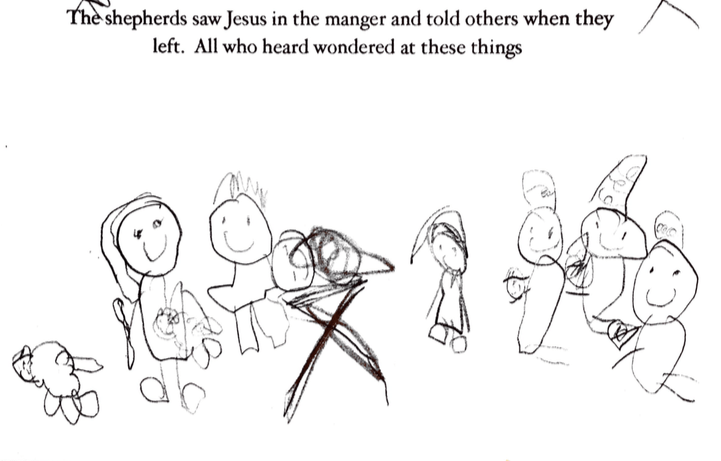
The Christmas Story as Drawn by our Children

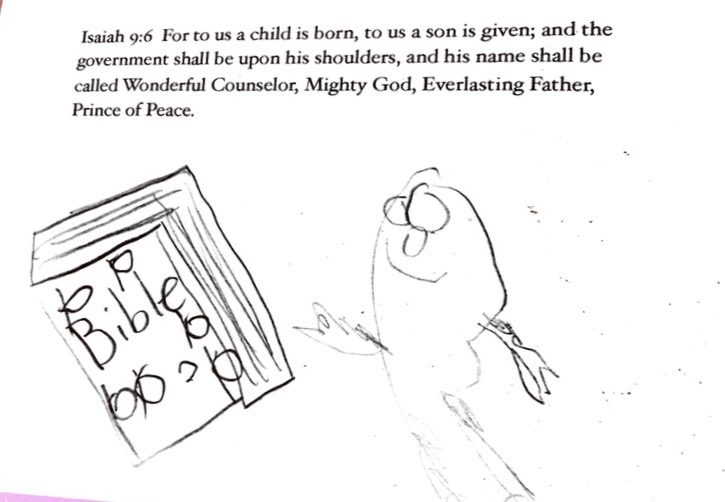
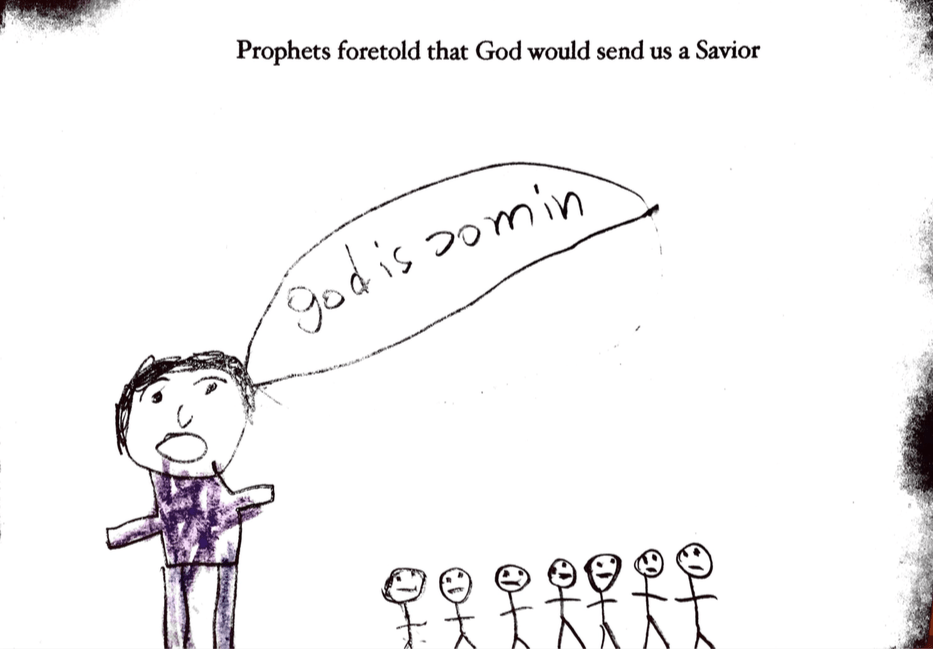
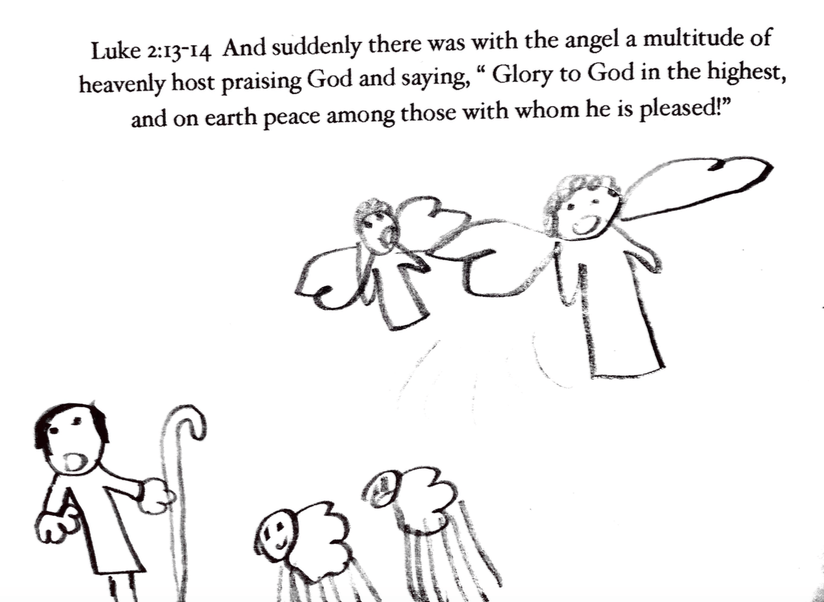
This is an epic time of the year.  It’s what happened 2,000 years ago that makes it so important.  God took on flesh to save the world.  This is the Christmas Story.  This year our children made pictures of the main scenes of the story.  Enjoy.

12345678910