
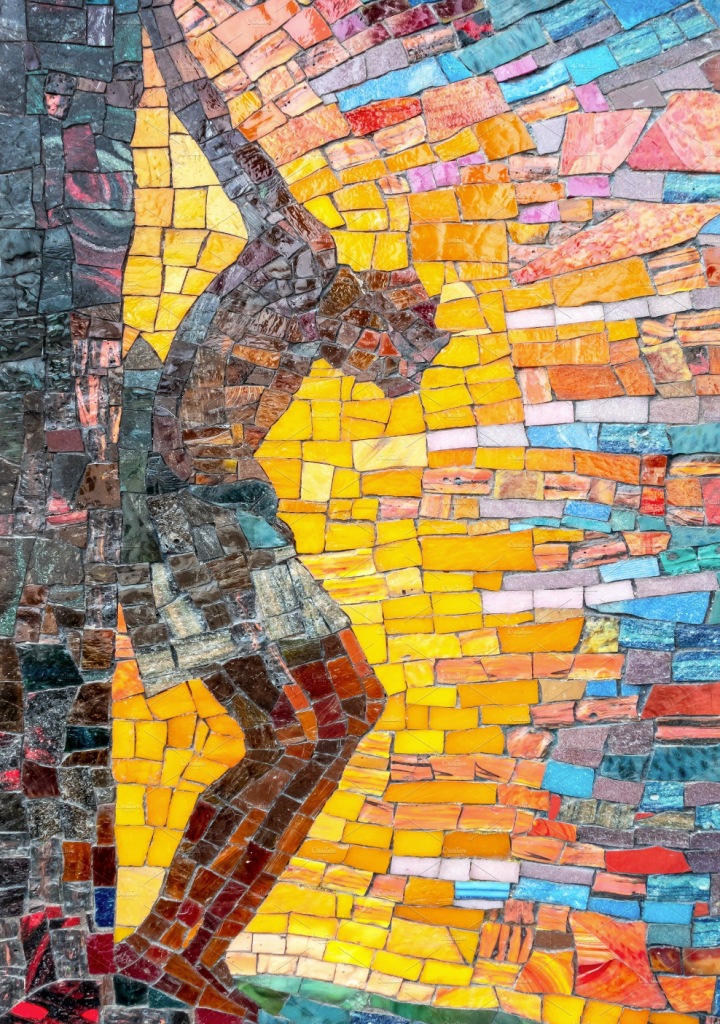
Have you ever seen a mosaic? Like the kind, you see on the floor of an ancient ruin in Turkey or Rome or upon the wall of a church or mosque. When I was in secondary school, my art class was part of a legacy project that designed and created a mosaic for our school. It was a huge project that took more than six months. So a mosaic takes fragments of colorful glass and pieced them together and makes something beautiful. Up close the image can appear unclear until you take a step back.

The Bible is like a mosaic. There are hundreds of stories like colorful pieces of glass. Each is incredible alone, but collectively they create a beautiful story of God. Over the past few months, we have looked at unique aspects of God the Spirit, God the Son, and God the Father. We have chosen just a sampling with the hope that you’d get a taste and thirst to explore who God is deeper on your own. As we continue this series on “The God Who Is” we will ask: What does God want you to know about himself? How do you know he wants you to know this? And so what does this mean for you right now?
What does God want you to know about himself?
Each name of God tells you something unique and important about himself. You can think of the names of God as a nickname. Do you have a nickname? Maybe you had one growing up that you didn’t like so much. With a name like Hutts, you can imagine all the nicknames that would come with that. Maybe you had a nickname that made you melt. Sometimes nicknames carry with them a sense of affection or term of endearment.
In the final verse of Ezekiel (48:35), there is an underutilized name for God. It only appears once in the Bible. His name is Jehovah Shammah. Jehovah is the speakable name for the unspeakable name of God. Shammah isn’t profound but simply meaning there. Not there as in way over there, but there as in here there. Lives there. At home there. His address is there. Put it together and you got God is there. Now that is profound. Think about it. What does God want you to know about himself? Say it. HE IS THERE.
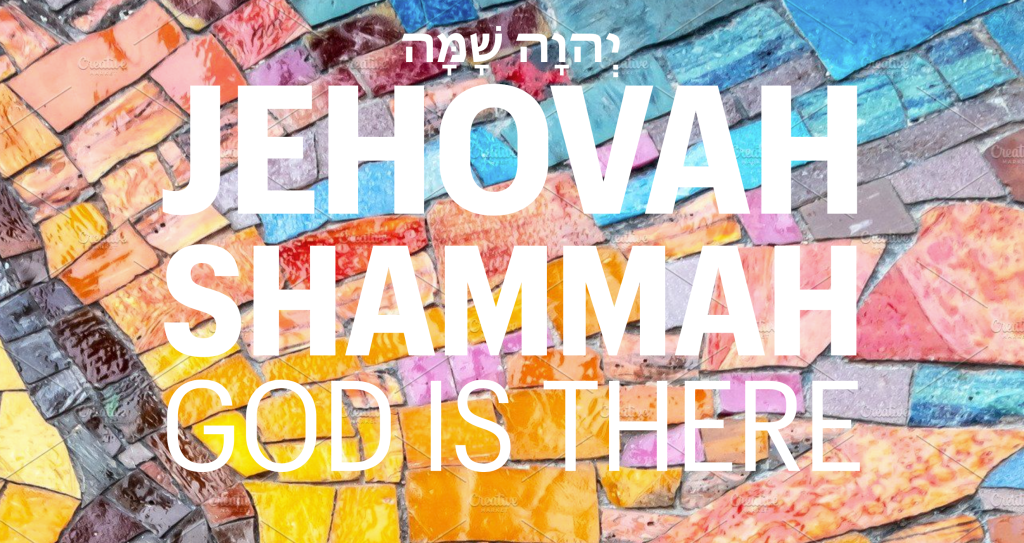
My hope today is that you will come and encounter this precious and hopeful name of God. The idea that God is omnipresent isn’t just a theological construct it is an application to the realities of your life. God isn’t okay with you just knowing more about him, but that you would really know him. God wants to be known.
How do you know that God wants you to know this about himself?
To understand this name of God more fully you need to step back and see the mosaic of Scripture. We need to step way back. Back to the beginning. Before the world was created. When there was only God. In the first verse of the Bible it says, “In the beginning, God created the heavens and the earth. The earth was without form and void, and darkness was over the face of the deep. And the Spirit of God was hovering over the face of the waters.” No matter your view of creation, you and I can agree that Jehovah Shammah was there. God always was there. From the smallest molecule to the vastest galaxy God is there. God never has to go anywhere because he is already there.

In Genesis 2 and 3, after God created the earth and filled it. He planted a garden called Eden. It had everything anyone would have ever wanted. It had a flowing river, lush greenery, and delicious and abundant fruit ripe for the picking. It was beyond beautiful. It was the picture of peace. It isn’t too much to say that it was perfect. And God was there.

God placed within the garden, Adam and Eve. God was there with them. “God himself walked in the garden in the cool of the day…” (Genesis 3:8) God was no stranger. God and man were freely and wholly together. God walked with them. They knew his voice and they spoke with God as a friend and as a Father. There was nothing between them. Until man listened to another voice in the garden and disobeyed. As a consequence, God expelled man from the garden, which had a grave effect on man’s relationship with God. One could be tempted to believe that God stayed in the garden and that he kicked the first couple to the curb, but that’s not true. Though Adam and Eve were forced out of the Garden, God would never leave them. He doesn’t play hide-n-seek. Yet ever since mankind has longed to find Eden again.
Years later way outside the Garden—outside of Egypt, God gave a visual reminder to his people that he was there with them. So he designed like an architect and artist a tent. No ordinary tent, but a tabernacle. Leviticus shares specific details about the size, dimension, materials, and craftsmanship of this tent. Why would God go into such detail over the design? It was not what it represented, but who was within it. God was there. God was there in the wilderness as God led his people to the Promised Land. God’s presence was so precious that Moses pleaded with God, “If your Presence does not go with us, do not send us up from here.” (Exodus 33:15) Moses would have rather been in the desert with God than in the Promised Land without God. And God assured him with a pillar of cloud in the daytime and fire at nighttime to show that he was personally and powerfully present with His people at all times. When the pillar moved the people would pick up the tent and move. When the pillar rested the people would pitch the tent and have a forced pitstop. Wouldn’t that be nice today? Some of you would surely like to have a personal pillar showing you where to go next. I know I would.
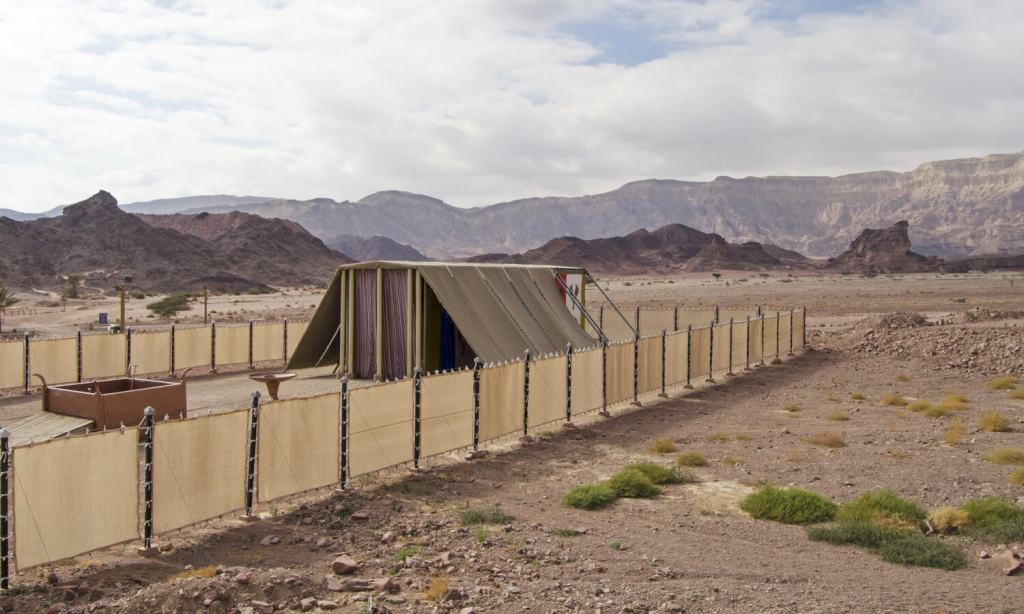
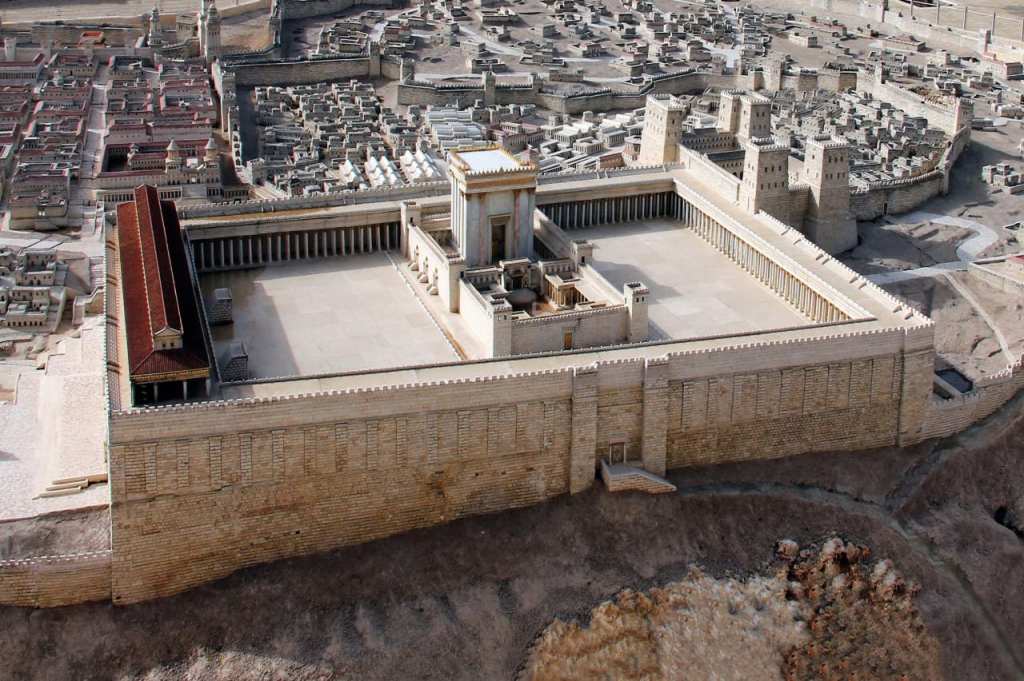
Even when God brought his people into the Promised Land they would utilize the tabernacle for hundreds of years. Until king David came along and pleaded with God for a dwelling less mobile and more mortar or monumental. David’s son Solomon would build a temple that again God designed. It was an engineering and artistic marvel unmatched in its day and unmatched to this day. In today’s money, the materials and manpower to build the temple would have cost 500B Euros. To put that into comparison, the reconstruction of the cathedral of Notre Dame cost 1B Euros and the reconstruction of 850M Euros. Why such extravagance for the temple? Well, consider not what it represented, but who was there. Even Solomon while dedicating the temple pondered, “Will God really dwell on earth? The heavens, even the highest heaven, cannot contain you. How much less the temple I have built!” (2 Chronicles 6:18) And the Lord responded with a yes and a yes. He inhabits the heavens and he would indwell the temple.
So that brings us to the obscure verse in Ezekiel. Ezekiel was a prophet. Prophets were called by God to bring a message from God to God’s people so that his people would turn back to God because his people were listening to so many voices but his. Now Ezekiel was a strange guy. He is kind of my favorite. I suppose it takes a strange one to know one. I like to think of Ezekiel as the performing arts prophet. God often used him illustratively to live out strange public displays. God had him shave his beard and throw it to the wind. God had him sit on top of a pole. God had him sit on his side and then on his other side for a really long time. God had him eat food cooked over a fire of human feces. Really strange stuff, but Ezekiel does all of it.
To understand Ezekiel 48:35, you got to understand what was happening in Ezekiel’s day. The people of Israel had gone so far off the path—their ears so deaf to God’s voice. They couldn’t even recognize his voice even if they heard it. The people were living as though God was not even there. God’s patience ran out. Not unexpected. They had ample warning. Jerusalem was ransacked. The temple was demolished. The fact was, the people had already evicted God from the temple long before. The people were scattered and taken captive in Babylon. All in an attempt to turn his people back to himself. Yet can you imagine the confusion, the shock, the pain, the anger, and the deep sorrow? Their world had fallen apart. It was one of their darkest hours. The marker of God’s presence—the temple—was decimated. God wasn’t there, or so they thought.
So Ezekiel shares a prophecy packaged with a promise. God seeks to lift up the heads of his people since they could only see the dust and ashes and chains. Ezekiel sees a Person and he sees a city. Again there is an uncanny attention to details about dimensions, “The perimeter of the city will be six miles, and the name of the city from that day on will be: God is There.” (Ezekiel 48:35) Again it is not about what, but who is there. It was all in the name. Ezekiel never realized or saw the city in his day. For God’s people, this would be the greatest travel advertisement in history like those ads on the internet that try to get you interested in going to Dubai or Thailand. It was God saying, “Check this out! Someday you will go there! No cost to you!” God is building a city that will never be destroyed. Even in the middle of the current chaos and catastrophe is a city where God is present. God is there. Always there.

From Ezekiel’s day on there would be no new names for God until a few hundred years later when the people of Israel would make their way back to their land, but it wouldn’t be their own. It would be occupied by the Romans. Herod the Great built a new temple. And at this moment in history, God would ordain as his moment. The omnipotent made himself fragile. The Spirit became pierceable. He who was larger than the universe became an embryo. Holiness slept in a womb. God was given eyebrows, elbows, a nose, and toes. He was a baby born in a manger and was given a name, Emmanuel, meaning ‘God with us’. God came near to dwell among us. Jesus was Jehovah Shammah. This wasn’t irony. For 33 years, Jesus himself would tabernacle the presence of God showing the world the way to God. This would be God’s greatest display of his presence—himself within human skin.
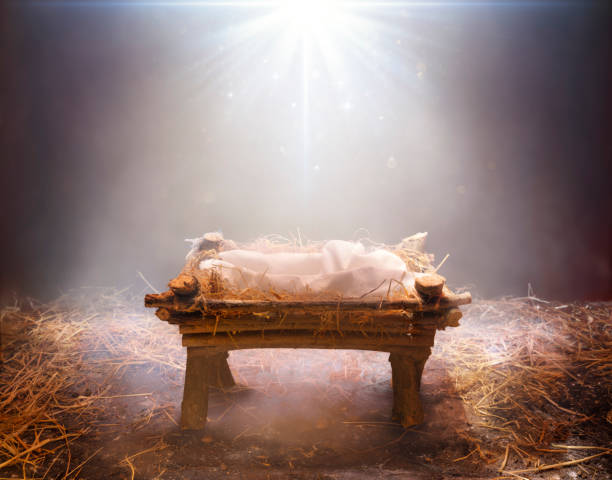
Remember the story about Jesus cleaning out the temple? He was asked why and he responded, “Destroy this temple, and in three days I will raise it up” (John 2:19) It was this statement that would nail him to a Roman cross. We can see that he wasn’t talking about bricks and mortar, rather he was referring to himself. As Jesus died on that cross the curtain of the Temple in town tore in half. Again, it wasn’t ironic, rather it was a physical, spiritual, and symbolic gesture from God that there was no barrier between him and man. God’s presence was thrown wide open. It was an invitation and a promise. Come all. Come anytime. Come enjoy my presence.
You would have thought by now that his people would get it. God was there to stay. But what did Jesus’ followers do after his death? They scattered. They went back to fishing. They sulked. Yet God didn’t leave them sulking. Three days after Jesus died, he would resurrect from the grave. He gathered his followers. He scolded them for their unbelief, but comforted them with these words, “I am with you always, even to the end.” (Matthew 28:20) And we see in Acts 1 and 2 that God sent the Helper—the Spirit of God to indwell his followers. If you too follow Jesus, then God very God indwells you. You are his temple. God is there. He is at home. Wherever you go he goes. You tabernacle the presence of God. If you do not believe in Jesus nor have you repented of your sins then the promise of his presence isn’t guaranteed.

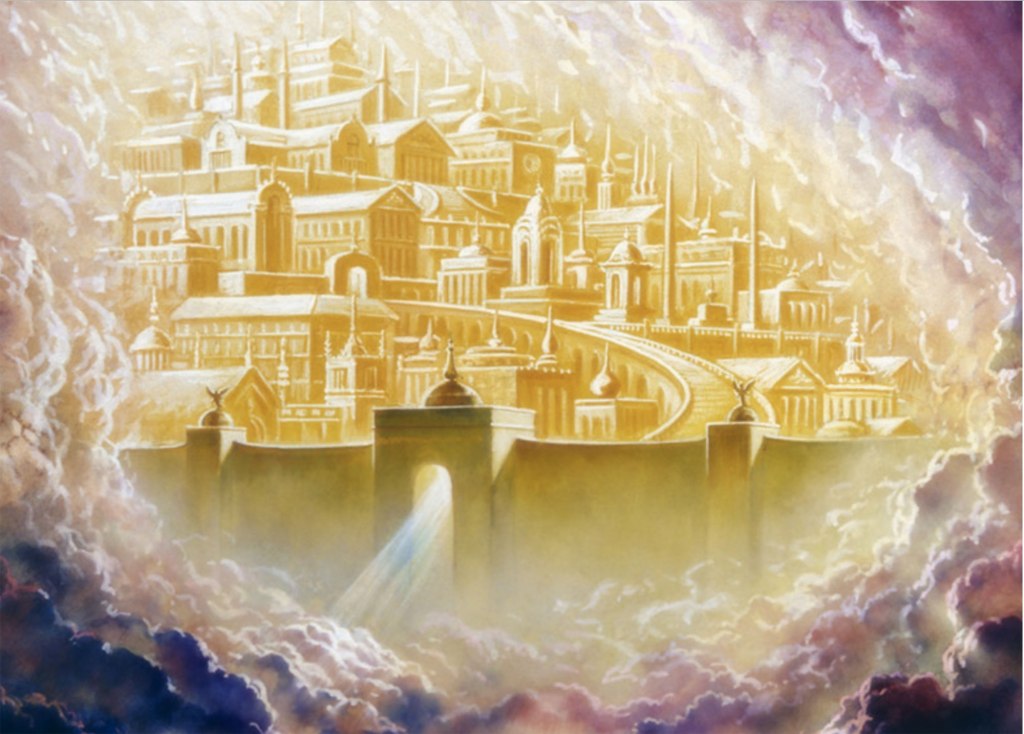
Now this story isn’t over just yet. But is the mosaic becoming clearer? At the end of the Bible, there is a picture of what is to come. God is again building and designing. There is a city. It is called the New Jerusalem or Zion or Eden Restored. John says of this city, “God is with men, and He will dwell with them, and they shall be His people. God Himself will be with them, and be their God” (Revelation 21:3). What does this city remind you of? How do you know that God wants you to know this about himself? FROM GENESIS TO REVELATION—FROM SALVATION TO GLORY—GOD IS THERE.
So what does this mean for you and me right now?
Have you ever had something really valuable taken from you? A few months ago, I lost my phone. I immediately freaked out. I tried calling it. Nothing. I retraced my steps. Nothing. I tore apart the pantry, bedroom, and car. Nothing. Now, I finally found my phone. Do you know where it was? In my pocket. Doh. It was with me all the time.
Have you ever felt like you’ve lost God’s presence or felt that he wasn’t there? You can feel this way, even in Chad. Even in the midst of doing ministry. You can feel alone. I know that I have felt this at times (even recently). I have often thought that my faith can mimic Chad. Dry, distant and isolated. It happens. It’s not delightful. It’s often scary and painful. As you and I reflect on Jehovah Shammah, here are four immediate takeaways (2 perspectives; 2 practices):
1) Press into the great lengths that God used to show he is there and will always be here. For some of you, just the review that God is there is enough. But for others, you may still be unsatisfied. You know that God is there. But it’s possible that you are living in chaos and captivity. God doesn’t seem or feel there. You feel like an exile. God feels more like a stranger. Maybe other voices other have created some distance between you and God. You might be feeling this today or have felt this recently. Like a mosaic, you feel that your relationship with God is more shattered than pieced together into something beautiful. Remember who God is.
2) Presume God’s character more than your current circumstances. God’s presence doesn’t guarantee that your circumstance will change, but trust in God’s character will change your perspective of the circumstance. Peace is God’s presence amidst the pain. It takes a radical trust in God to stay focused when circumstances can create a fog. Another pregnancy test. Another round of chemo. Another fight with your spouse. Another day being single. Another smart comment from your child. Another prayer. Another rejection. Another temptation. Test today and tomorrow’s circumstances against what you know about God. Step back and seeing at the mosaic. When step back what do you see? Not what, but who do you see?
You see Jesus on the cross. Did Jesus know what loneliness and isolation felt like? Absolutely. Jehovah Shammah himself knows. He is there.
When you are lonely God is your companion. When you’re worried God is you confidence. When you’re tempted God is your Counselor. When you are discouraged God is your Comforter. God is there even when it may feel like he has left. That’s not a coffee cup promises. I have the Scripture to stand on. It’s in his name. Jehovah Shammah. Don’t lose the wonder of God’s presence. Don’t ignore the presence of God like a stranger in the room. Don’t substitute knowledge about God for knowing God. Or to say it another way: “While I’m living in Sunday, God is already in Tuesday. Working out what I faced last Saturday.”
Be honest with God. Like Job when he said, “I don’t know where you are.” Like the psalmist, “Why, O LORD, do you stand far off? Why do you hide yourself in times of trouble?” (Psalm 10:1) God can handle big and honest questions. You have permission. [Circumstances of 2018] As you presume upon God’s presence within your circumstances may he turn your honest questions into a victory song (see Psalm 46). If you can’t be still and wait on God, your soul will stifle in the circumstance. Wait and presume that God is working. Wait and presume that he is walking with you. Wait and presume that God is there.
3) Protect God’s presence together. Did you know that you are presence protectors? Life together with other Jesus’ followers helps you remember that you are not alone. If you are isolated from other followers, then you will quickly feel isolated from God. Invite someone into God’s presence with you. Maybe today. As one song asks, “But if we are the body, why aren’t His arms reaching? Why aren’t his hands healing? Why aren’t His words teaching? And if we are the body, why aren’t his feet going? Why is His love not showing them there is a way?” Knowing Jehovah Shammah means that others can say of you, “I see Jesus in you.”
4) Practice the presence of God in everyday moments. Living as though God is there takes practice. Begin your day by saying, “Jesus you are there.” Say that even now. Say that the moment you wake up before your feet hit the floor. When you freshen up. When you get dressed. When you eat breakfast. On your way to work. While homeschooling. While visiting your neighbor. While learning French/Arabic. While in your team meeting. While in the market. While sitting on the mat. While talking with the beggar or street children. While eating with your hands. And before laying your head down to sleep.
I will close by making statements that I’d like for you to respond to by saying, “God is there.”
When you feel alone…
When you get bad news from the doctor…
When your child makes bad decisions…
When you wonder why you hurt so bad…
When you feel like hurting yourself or others…
When you fail…
When you’re tempted to sin…
When you’re afraid of the future…
Thoughts for Reflection:
Take a moment in God’s presence and tell him your big honest question.
Cherish the great lengths by which he has shown his presence with you.
Consider a way you will protect his presence with others today.
Consider one way you will practice his presence this week.



 spreading the fame