
WHY ARE WE BETTER TOGETHER
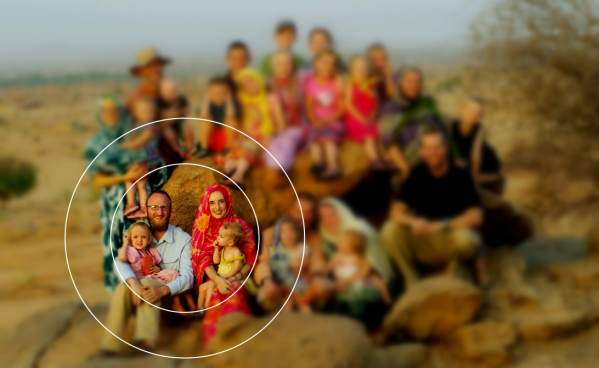
The small mission team in Northern Africa was a microcosm of the “one another” challenge. Amy, the meticulous planner, grew frustrated with Abe’s spontaneous, often chaotic, approach to ministry. Abe, in turn, found Amy’s rigidity stifling, feeling judged and rejected, and he often retreated. Their unspoken tensions, fueled by weariness and cultural stress, created a subtle but palpable chill that affected their joint work. They were physically together, but relationally drifting.
This internal friction inevitably bled into their interactions with locals. When a new disciple, Ahmed, struggled with consistency due to complex family obligations, Amy saw it as a lack of discipline; her “God-sight” was clouded by her own unmet expectations. Abe, while more empathetic, sometimes over-identified, failing to offer the gentle admonishment Ahmed needed. The team’s inability to fully “one another” internally made it harder to extend that same when discipling Ahmed, who sensed something was off.
Forming, storming, norming, and performing are the common stages of team development. Oftentimes, God puts together people who wouldn’t normally be friends and calls them to work together in the same field on the same mission. One anothering, maintaining peace, unity, and servant-heartedness become work in itself.
BIBLICAL REFLECTION ON COMMUNITY
The summons to “one another” is not merely a suggestion for harmonious living, but a divine imperative and a powerful witness. In the unique pressures of cross-cultural ministry, your relationships with teammates and local contacts are both your greatest resource and a crucial battleground. Understanding and actively living out the “one another” commands is essential for flourishing and effective ministry.
God models community and togetherness. Woven into the very fabric of God’s nature is a design for relational living over isolation. Community is a reflection of God Himself. God is not a solitary being but a communion of three co-equal Persons—Father, Son, and Holy Spirit—who exist in perfect, eternal relationship, love, and unity. This divine “togetherness” is the ultimate blueprint for all created community. (Deuteronomy 6:4; Matthew 28:19; John 17:21)
Man was created for relationships. From the beginning, God designed humanity for interdependence, declaring “It is not good for the man to be alone” (Genesis 2:18). This foundational truth extends profoundly into the Christian life, where believers are called into a spiritual family, the Body of Christ. We are not meant to operate as isolated units; our collective strength, wisdom, and witness are found in our unity and mutual service. (Ecclesiastes 4:9-10; Romans 12:4-5; John 13:35)
The Church is God’s redeemed community. The Church, the Body of Christ, is God’s primary means of demonstrating restored community on earth. It is a diverse assembly of individuals, united by the Holy Spirit through faith in Christ, called to live in active interdependence and mutual love. This spiritual family is meant to be a multiplying and living testament to the power of the gospel to reconcile and unite. (Romans 12:4-5; Ephesians 4:1-3; Acts 2:42-47)
God sends people together to demonstrate His heart. We believe that God calls us into His mission together, never alone. Biblical community is not an end in itself, but a means to flourishing and a powerful witness to the world. Jesus Himself, the ultimate missionary, consistently modeled team ministry. He didn’t send His disciples out alone, but in pairs. This was not merely a practical strategy but a reflection of God’s relational nature and the power found in unity. (Mark 6:7; Luke 10:1) The early church, empowered by the Holy Spirit, continued this pattern. The first recorded missionary sending from a local church involved a team, not an individual. (Acts 13:1-3; Philippians 4:3; 2 Corinthians 8:23)

Man is commanded to “one another.” The numerous “one another” commands in the New Testament provide a practical framework for Christian community and discipleship. They can be broadly summarized into four interconnected categories, each essential for healthy relationships and a powerful witness.
Love One Another. This is the overarching command that underpins all others. It is the defining characteristic of Christ’s disciples and the ultimate expression of our transformed lives. (John 13:34-35; Romans 13:8; 1 Peter 4:8; 1 John 4:7)
Bond with One Another. God calls His people to strive for unity, even amid divinely designed diversity in the Body. These commands emphasize the importance of maintaining peace, harmony, and a shared purpose within the Body of Christ, reflecting the unity of the Trinity. (Romans 15:7; Ephesians 4:2-3; Romans 14:19; Philippians 2:3)
Serve One Another in Humility. To need someone else is humbling. To ask for help is humbling. Not being able to do something alone is humbling. These commands call for a posture of lowliness, deference, and active servanthood towards each other, mirroring Christ’s example. (Galatians 5:13; Romans 12:10; 1 Peter 5:5; John 13:14)
Build Up One Another. The opposite would be to tear down and destroy, which is the strategy of the enemy. These commands focus on actively strengthening, supporting, and spurring each other on in faith and good works. (Hebrews 10:24-25; Romans 14:19; 1 Thessalonians 5:11; Galatians 6:2; Colossians 3:16)

Seek to See One Another as God Sees. To truly “one another,” we must cultivate “God-sight”—the ability to see fellow believers, even the unreached, as God sees them: as people created in His image, fallen yet redeemable, and deeply loved. This perspective moves beyond superficial judgments, cultural biases, or past offenses to recognize one’s inherent dignity and potential in Christ. It means looking beyond the “flesh” (their outward behavior or unrenewed nature) to the “spirit” (their created value and God’s handiwork). (1 Samuel 16:7; 2 Corinthians 5:16; Ephesians 2:10)
What other Scriptures or biblical aspects come to mind when you consider “others”? Take a few moments to look up 1-2 of these verses and journal what the Lord highlights for you.
“A new command I give you: Love one another. As I have loved you, so you must love one another. By this everyone will know that you are my disciples, if you love one another.” — John 13:34-35
THE IMPORTANCE OF ONE ANOTHERING
Actively practicing the “one another” commands is not optional; it is vital for the health of the missionary, the team, the nascent church, and the integrity of the gospel message.
Glorifying God: When believers live in unity and love, it brings glory to God, reflecting His own relational nature.
Witness a Redeemed Community: A loving, unified community is the most compelling argument for the gospel in a fragmented world. It demonstrates the transformative power of Christ in relationships.
Effective Discipleship: New believers learn how to live out their faith by observing and participating in healthy “one anothering.” It’s how the church matures and reproduces.
Overcoming Cultural Barriers: Intentional “one anothering” helps missionaries bridge cultural divides, fostering genuine understanding and empathy rather than judgment or isolation.
Spiritual Health and Resilience: Mutual encouragement, burden-bearing, and forgiveness within the team are essential for preventing disunity, combating spiritual warfare, and fostering long-term endurance.
PRAYER ACTION
Consider the Scriptures you cling to above. Consider the “one another” texts. Write a prayer for the kind of person you want to be for who considers others.
BUILDING A PRACTICAL MINI-THEOLOGY
Take some time to prayerfully draft your practical mini-theology of “others” by responding to these questions:
How am I to view others? What does it look like to have God-sight?
example: God is… We are the kind of people who… It is most like us/me to… We/I will… We/I hold to…
How am I to relate to my spiritual siblings and co-laborers? What does it mean to “one another”?
Why are we better together than alone? Why send out mission teams? Why is the way that a team loves, bonds, serves, and builds up a vital part of their work?
Once you finish, share your responses with your mentor. Ask for feedback. Adjust your draft as needed.
Additional Resources for Going Deeper:
Think Diversity, by Tracey West
What the One-Anothers Do, by Matt Ng
Escaping Enemy Mode, Jim Wilder
Why We Need Teams for the Missionary Task
The Critical Role of Relationships in Missions
WAYS WE “ONE ANOTHER” ON THE FIELD
“Checking In” with God: Throughout your day, practice briefly pausing and “checking in” with God about your current relationships, situation, feelings, or interactions. Ask Him, “How do You see this/them?” or “What is Your perspective?” or “What needs to change in me to “one another” better?”
Scripture as Lens: Immerse yourself in the Bible, not just for information, but to understand God’s character, His ways, and His perspective on life and people. This grows God-sight. The more you know Him, the more your thoughts will “rhyme” with His. This is contrasted with “earth’s eyes,” which tend to focus on agitation, blame, and a limited human perspective.
Make One Anothering Who You Are. “One anothering” is not hypothetical, but to be actual in our family, team life, local relationships, and discipleship. Here are some ways:
Among a Team:
Encourage One Another (Hebrews 10:24-25): Regularly affirm teammates’ efforts, celebrate small victories, and speak words of life.
Bear One Another’s Burdens (Galatians 6:2): Actively listen to struggles, offer practical help (e.g., childcare, errands, covering duties during illness), and pray specifically for each other’s challenges.
Forgive One Another (Colossians 3:13): Humbly address conflicts, extend grace quickly, and refuse to hold grudges, understanding that living in close quarters will inevitably lead to offenses.
Serve One Another (Galatians 5:13): Look for opportunities to help out, share responsibilities, and put teammates’ needs before your own, even in mundane tasks.
Be Patient with One Another (Ephesians 4:2): Recognize that everyone is under pressure and adapting, extend grace for cultural missteps, language struggles, or personality quirks.
Among Local Contacts and New Believers:
Accept One Another (Romans 15:7): Embrace new believers and seekers from diverse backgrounds, welcome them into fellowship without imposing unnecessary cultural or social barriers.
Teach and Admonish One Another (Colossians 3:16): Share biblical truth, disciple patiently, and offer gentle correction, allowing God’s Word to shape their lives.
Serve One Another (Galatians 5:13): Model Christ’s servant heart by meeting practical needs in the community, demonstrating love through action, and empowering local believers to serve their own people or you too.
Pray for One Another (James 5:16): Regularly pray with and for local contacts, demonstrating dependence on God and sharing the burden of their spiritual and physical needs.
Show Hospitality to One Another (1 Peter 4:9): Open homes and lives to share meals, stories, and fellowship, building genuine relationships that transcend cultural differences.
By diligently practicing these “one another” commands, pioneer mission workers not only build healthy teams and healthy churches but also powerfully display the transformative love of Christ to a world desperately in need of true community.























































 spreading the fame