One day I was invited to visit the family village of a good friend, I drove a few kilometers outside the city on what was nothing more than a bumpy dirt path for donkeys. In the middle of nowhere, we came upon a cluster of small African huts. The dwellings were made of mud bricks and thatched roofs.
As I approached one of the huts, I could hear the hum of a small diesel generator. When I stepped inside the abode there was a group of men who were all watching WWE. I never expected to be in one of the remotest places on earth and see that. It was surreal. One of the young men proceeded to turn to me and ask, “How do these wrestlers not get hurt?” It wasn’t the place to explain (spoiler alert!) that those wrestlers were part of an act and it was not real.
There is something even more amazing that sometimes feels unreal: God dwells among us and abides in us! Where God is, is where we want to be. We often wrestle with this reality.
BIBLICAL REFLECTION ON DWELLING
The story of the Bible reveals a progressive unfolding of God’s desire to dwell with His people. This theme culminates in the New Testament reality that believers themselves, individually and corporately, are His dwelling place. However, let’s back up the story a bit.
God dwelled in the Garden. God has always been. When He created the world and breathed life in Adam and Eve, He walked among them. He was present and actively connecting with them. When they sinned it severed their connection with God and mankind who have been longing for intimacy with God like Eden ever since. (Genesis 2:8-15; Isaiah 51:3, Ezekiel 36:35)
God dwelled in a pillar and tent. In the Old Testament, God chose to dwell among His people in the Tabernacle and later the Temple. The sign of his presence was a pillar of cloud by day and fire by night. These physical structures symbolized God’s presence, holiness, and accessibility (albeit with limitations). This established the foundational truth that God desired to be with His people. (Exodus 13: 21-22; 25:8-9; 29:45-46; Numbers 9:15-23; 1 Kings 8:27)
God dwells among us. Jesus Himself is the ultimate “tabernacling” of God among humanity. In Him, the fullness of God dwelt bodily, making God intimately knowable and accessible. (John 1:1-5; 1:14; Isaiah 7:14; Matthew 1:18-25)
God dwells in us. Through the indwelling Holy Spirit, individual believers become temples of the Holy Spirit, and the collective body of believers—the church—becomes a spiritual house and God’s dwelling place on earth. This means that wherever pioneer workers go, and as they gather believers, they are carrying and establishing God’s presence.(John 14:15-17; 1 Corinthians 3:16-17; 6:19-20; Ephesians 2:19-22)
God dwells in His city. The future dwelling place of God with humanity is depicted in Revelation 21, where the new heaven and new earth are seen as the temple, and God will fully dwell with His redeemed people. This provides enduring hope for the pioneer, reminding them of the glorious end goal of their work. (Revelation 21:1-3; Colossians 3:1-2)
God calls us to spread His dwelling around the world. As new believers are gathered and discipled, forming new communities in Christ, they are literally building God’s dwelling place in new lands. This transforms a remote outpost into a spiritual epicenter.
What other Scriptures or biblical aspects come to mind when you consider an abiding in Christ and God’s dwelling place? Take a few moments to look up 1-2 of these verses and journal what the Lord highlights for you.
“And I heard a loud voice from the throne saying, “Look! God’s dwelling place is now among the people, and he will dwell with them. They will be his people, and God himself will be with them and be their God.” — Revelation 21:3-4
THE IMPORTANCE OF ABIDING
When you have confidence and comfort that God is with you and that you are near to Him, then you have indescribable joy. Connection with God is an utter delight. Pioneer mission work can be lonely, demanding, and often discouraging. In environments where spiritual support is scarce and visible fruit is slow to appear, the temptation to rely on one’s own strength or strategies is great. There are two foundational truths for each pioneer: the need to abide with Christ and the reality of God’s dwelling place. These truths are lifelines that sustain, empower, and bear fruit in the most challenging mission fields.
Abiding Defined: The word “abide” (Greek: meno) signifies remaining, dwelling, staying, or continuing in a close, intimate, and dependent relationship. Jesus Himself uses the powerful metaphor of the vine and branches to illustrate this vital connection. (John 15:1-11)
Necessity for Life and Connection: Just as a branch cannot produce fruit apart from the vine, a mission worker cannot truly live or be fruitful apart from Christ. This isn’t merely about occasional connection, but a continuous, moment-by-moment reliance. Pioneer contexts often strip away human comforts and resources, making the need for divine life even more stark. (1 John 2:24-28; Galatians 2:20)
Source of Nourishment and Direction: Abiding in Christ means drawing all our spiritual nourishment, strength, wisdom, and direction directly from Him. It frees us from the burden of self-sufficiency and the exhaustion that comes from trying to accomplish God’s work in our own strength. (Colossians 2:6-7)
LastingFruitfulness: True, lasting fruit in mission— gospel seed scattering, discipleship, church planting, transformation—flows from Christ’s life through us, not from our own efforts. Abiding ensures that our work is Spirit-led and God-honoring. This is crucial for pioneers who may see little “visible” fruit and need to trust God for the deeper, unseen work.
Peace Amid Chaos: A deep, abiding relationship with Christ provides an unshakable inner peace, even when external circumstances are chaotic, dangerous, or discouraging. This peace is a powerful witness in its own right.
Accepting the invitation to abide: In isolated and challenging fields, the pioneer is never truly alone. The God who dwells in them is present, providing comfort, guidance, and power. More than any strategy or skill, simply abiding with Christ is non-negotiable.
Expanding Mission: The central storyline of the entire Bible revolves around God’s purpose to dwell with his people, and this dwelling place is meant to expand to fill the entire earth. God’s presence with us is a comforting and empowering as we pioneer the gospel among the nations and unreached. As we go, even if it be the most challenging location, He goes with us. (Matthew 28:18-20)
PRAYER ACTION
Consider the Scriptures you cling to above. Consider the dwelling place of God. Write a prayer for the kind of person you want to be who abides with Christ and spreads His dwelling place among the unreached and unengaged.
BUILDING A PRACTICAL MINI-THEOLOGY OF DWELLING
Take some time to prayerfully draft your practical mini-theology of “God’s dwelling” by responding to these questions:
Where is God’s dwelling place? Why does this matter for me and the mission?
example: God is… We are the kind of people who… It is most like us/me to… We/I will… We/I hold to…
What does it mean to abide with Christ? What can it look like to abide with the Lord anywhere, even in isolated locations?
Once you finish share your responses with your mentor. Ask for feedback. Adjust your draft as needed.
When I walked into the sultan’s courtyard it was my first time visiting someone who would be considered a king. We were welcomed by his assistant who led us to a waiting area where we’d get to meet his excellence. Before we stepped up towards the veranda of the sultan’s palace, we removed our shoes. As we entered the room where the sultan sat, we bowed our heads and continually faced his direction. Even though we were in rural and dusty Chad, Africa there was a regality and reverence to the occasion that I will never forget.
It is way too easy to forget that I am consistently in the presence of royalty. God is King. The King’s Spirit resides in His people. My body is more than a sultan’s palace, it is a holy temple. Wherever I go, He goes too. When I think about what drew me to the nations, it was a sense of wanting to spread the fame of God’s name to places and people where He was not yet named or worshiped.
Human’s are hardwired for awe. We can awe people, money, power, and stuff. You can have it all and miss awe. We can become awe forgetful, awe discouraged, awe empty, awe seduced, awe kidnapped, awe numb, and awe weary.
God is truly the most awesome. To awe is to have a passion for God. A passion for God is not merely a fleeting emotion; it’s a deep-seated, all-consuming devotion that permeates every aspect of a believer’s life. It’s an active, vibrant love for God that expresses itself in various ways. It is a Soli Deo lifestyle that seeks to live unto God alone.
In essence, a passion for God is the heartbeat of a living faith. It’s a spiritual fire that needs tending and spreading, and the benefits of doing so are immeasurable, for your own good, for the good of others, and most importantly, for the glory of God.
Fanning a passion for God into flame is not about striving to earn His love or perform for Him. It’s about experiencing the fullness of life He offers and being an instrument in His hands who passes that awe down to the generation that follows.
BIBLICAL REFLECTION OF AWE
Pioneer mission work is inherently challenging, often characterized by isolation, resistance, and a constant need for resilience. In such demanding contexts, a deep-seated awe of God is not merely a pleasant sentiment but a foundational necessity. It provides perspective, fuels endurance, and empowers effective ministry. This brief theology explores the biblical concept of awe and its practical implications for those pioneering God’s kingdom.
Awe defined: Biblical awe (aka: “fear of the Lord”) isn’t a cowering dread, but a profound reverence, wonder, and respect for God’s infinite majesty, power, holiness, and love. It’s a recognition of God’s utter transcendence and immanence, His absolute otherness, and His intimate presence. This awe transforms the way we understand of ourselves, the world, and the mission. (Psalm 33:8; 66:5; 89:7; Hebrews 12:28)
God’s Transcendence: Awe grasps the vastness of God’s being, His uncreated nature, His eternality, and His sovereign control over all things. This understanding humbles us, reminding us that our plans and efforts are ultimately dependent on Him. For the pioneer, this means trusting God’s overarching plan even when immediate results are unseen or obstacles seem insurmountable. (Psalm 33:8-9; Isaiah 40:12-17; Job 37:22-24; Revelation 15:3-4)
God’s Immanence: While transcendent, God is also intimately involved in His creation and the lives of His people. Awe acknowledges His presence, His unwavering faithfulness, and His active working in and through us. This encourages the pioneer, assuring them that they are never truly alone and that God is at work even in the most barren of lands. (Isaiah 57:15; Acts 17:27-28; Matthew 1:23)
God’s Holiness and Righteousness: Awe recognizes God’s absolute purity and perfection. This prompts repentance, confession, and a desire to live lives that honor Him. For the pioneer, this means a commitment to personal integrity and ethical conduct, understanding that their lives are a testimony. (Leviticus 10:3; 1 Samuel 2:2; Psalm 99:3-5)
God’s Love and Mercy: Perhaps the most profound aspect of biblical awe is the wonder at God’s boundless love and mercy, especially as revealed in the cross of Christ. This love, extended to undeserving humanity, evokes deep gratitude and motivates compassionate service. For the pioneer, this fuels a self-giving love for the unreached, mirroring God’s own heart. (Psalm 103:8-14; John 3:16; Romans 5:8)
Cultivating a deep, abiding awe of God is not an optional extra. It aligns our hearts with God’s, empowers us to overcome adversity, and transforms us into vibrant witnesses of His awesome reality to the unreached peoples of the nations.
What other Scriptures or biblical aspects come to mind when you consider an awe for God? Take a few moments to look up 1-2 of these verses and journal what the Lord highlights for you.
“Awe means that you will look at everything in your life through the lens of God’s Existence and Glory, and you will surrender all your life to His purpose.” — Paul Tripp, Awe
THE IMPORTANCE OF AWE
Nothing but awe of God will sustain someone on the field. If it is not awe of God, then the heart will gravitate towards substitute awes. When awe of self or something else supplants awe of God, God ceases to be King and He is reduced to being your servant. When the mission doesn’t produce vertical awe of God, something is amiss. When an awe of God fuels the pioneer in the mission field several outcomes emerge:
Humility and Dependence: Awe reminds me of my smallness and God’s greatness, fostering a spirit of complete dependence on Him for wisdom, strength, and guidance. This counters self-reliance and burnout.
Courage and Boldness: When God is seen in His awesomeness, fear of humans diminishes. The pioneer, filled with awe for God, can face persecution, opposition, and daunting challenges with supernatural courage. They will even pray for boldness (Acts 4:23-31).
Resilience and Endurance: Awe provides a deep well of motivation that sustains through hardship and discouragement. Knowing the awesome God is with them, pioneers can persevere even when the fruit is slow in coming.
Worship and Joy: Awe naturally leads to worship, even in difficult circumstances. This worship fuels joy, which is a source of strength and a vital witness to others (Matthew 9:8).
Effective Witness: A life lived in awe of God is a contagious and compelling testimony. One’s awe and connections with God can be more effective than words alone.
Spiritual Discernment: Awe cultivates a sensitivity to God’s presence and leading, enabling pioneers to discern His will and walk in obedience amid complex cultural and spiritual landscapes.
PRAYER ACTION
Consider the Scriptures you cling to above. Consider your awe of God. Write a prayer for the kind of person you want to be who fans into flame a passion of God in yourself and others.
BUILDING A PRACTICAL MINI-THEOLOGY OF AWE
Take some time to prayerfully draft your practical mini-theology of “awe” by responding to these questions:
What is awe and/or a passion for God? Why is this needed to go to hard places?
example: God is… We are the kind of people who… It is most like us/me to… We/I will… We/I hold to…
What does it look like to live a Soli Deo lifestyle? How does this kind of lifestyle relate to surrender?
Why not just fan your flame for God, but start mini fires wherever you go? What does it look like to fan into flame a passion for God?
Once you finish share your responses with your mentor. Ask for feedback. Adjust your draft as needed.
Today, we are concluding a series of messages on the theme of the priesthood. This has been an enlightening Bible study. Honestly, it’s a theme that can seem nebulous and can mean little to Christians today. Maybe you’re like me and didn’t grow up in a culture or system with priests. I was born into a Catholic family. However, priests were more like pastors. They were different from the priests we read about in the Bible.
In the Bible, the priesthood is one of those threads that helps us to understand God and His redemptive plan. The Scriptures are like a beautiful golden tapestry on a loom. The loom represents the span of human history, from creation to the eventual fulfillment of God’s promises. Each thread represents a specific event, character, or theme within the Bible. God is like an artist weaving each thread. The threads sometimes seem out of order, but ultimately they interconnect with the overall design.
Corrie Ten Boom reflected on this through a poem called the The Tapestry. It was a testimony of her experiences in a WWII concentration camp and how she connected with God in such. hard place. As she held a small tapestry in her hand she would say,
“Oft’ times He weaveth sorrow; / And I in foolish pride / Forget He sees the upper / And I the underside.”
Looking from the backside of a tapestry can seem like a mess, but from the front it’s a masterpiece. Today, we can see most of God’s tapestry from the upper, but there is still some that remains a mystery. However, what we can see is sufficient to help us know God and His plan for mankind.
When God laid out His plan, He took His time. He didn’t rush history. Before the creation of the world, he wove history with redemption story (cf. Revelation 13:8). Why would God wait so long to unveil His plan? Like a Master Storyteller, he laid down the perfect script. He introduced and developed key characters. He followed patterns to build up a climactic moment. The moment came at the most opportune time and revealed His ultimate purposes.
The Bible, especially the OT, gives categories and identities that help us to know and understand who God is. The three primary categories are Prophet, Priest, and King. Embedded within these categories are central descriptors and identities. We must grasp these categories from Scripture. We must also understand their context within biblical history. Otherwise, our understanding of God will be impersonal. It will also be superficial. These categories help us to see what God is like and why He came to do, did, and does now.
As the Bible progresses, there are touch-points on the loom. These points help us to see and know God as a priest. As we follow the thread, God’s purpose for the priesthood becomes clear. Notice how the characters model the priesthood. Observe how God acts as a priest. Each story touches on a promise.
Adam was given the role of caregiver of creation and the first family. It was a priestly and kingly role. When he sinned, God becomes the Sacrificer who covers sin and shame. God promised a future self-sacrificing Messiah who’d rescue mankind.
Abel was like a priest who gave an honoring sacrifice for God sees the heart.
Melchizedek is described as a priest-king of Salem (Peace) who foreshadowed the future Messiah.
Abraham was like a priest who willingly offered his only son on the altar. God provided a substitute sacrifice and promised a Messiah who’d come from Abraham’s lineage.
Moses becomes a mediator between the people and God. During the last plague, the people of Israel sacrificed lambs. They painted the lambs’ blood on their doorposts. This was to protect them from the Passover. This event would be memorialized by the Jewish sacrificial system and within the tabernacle/temple.
Aaron & Levites were chosen and designated as imperfect human priests to guide the people in worship of the Lord.
David acted like a new type of priest-king when he ate the bread from the tabernacle. He marched into the city of Peace with the ark of the covenant. God approved and later promised the Messiah who’d come from David’s lineage.
OT Zechariah was robed in priestly garments as a picture of the future Messiah.
NT Zechariah’s priestly prayers were answered as he’d be the father of the forerunner to the Messiah.
Jesus came and performed priestly acts—He healed, forgave sins, called people to worship God, and claimed to be the Messiah.
Today, Jesus sits in heaven as the intercessor who promises to come back as the Priest-King.
Imagine if you didn’t have any of these stories or their contexts. Your understanding of the priesthood of God would be quite vanilla or incomplete. Instead, these stories add color and comprehension to who God is and they signal His plan.
That brings us to the Letter to the Hebrews. Hurrah for Hebrews! This lengthy letter helps connect and complete a lot of threads and strands between the Messiah of the OT to Jesus of the NT. It’s the one NT book that wrestles with the OT categories, characters, and processes. It helps us to make sense of the Bible’s tapestry. It all points to Jesus. He is the One toward whom the whole story, history, and the Scriptures are supremely about. Even Jesus said it, “You study the Scriptures diligently because you think that in them you have eternal life. These are the very Scriptures that testify about me, yet you refuse to come to me to have life.” (John 5:39-40)
So let’s unravel this thread by seeing the what, the so what, and the now what of Hebrews 4:14-16. This text pierces the chaos of our crazy-busy lives. It touches our brakes. We stop and consider how wonderful our Jesus really is as a priest.
WHAT?
“We have a great high priest.” In case you and I didn’t know, we have a priest. This title tells me that we don’t need a greater something. We need a greater Someone. We need a priest. We need Jesus as a priest. Why a priest? (cf. 5:1-3, high priest job description) Overall, a priest was a symbolic service. First, a priest was chosen among men and called by God. Second, a priest represented God to the people, and the priest represented the people to God. Think of them as links between heaven and earth with a divine and human function. Third, a priest offered sacrifices to God for the sins of the people. Fourth, a priest was someone who embodied the compassion and gentle-heart of God towards others. This last point is what endears us to the role of a priest compared to a prophet or king. He isn’t cold or ceremoniously religious. We see the priest’s heart.
Jesus isn’t an ordinary priest. He is a “high” and “great” priest. A high priest, different from an ordinary priest, was chosen to offer the annual sacrifice. This sacrifice occurred on the Day of Atonement for the sins of all the people. Also, he isn’t just a high priest, but he’s The-Great-High-Priest. To be “Great” means that there isn’t anyone like him. He is far superior. He is in a category of his own. When we see Jesus as this Great High Priest, we see one who was chosen by God. He represented God to humanity. He loved mankind compassionately and gently. He also sacrificed once and for all for all people. Jesus connected all the loose ends of history. He joined them with God’s story. This was done to show Jesus as the great high priest. It is meant to be an ah-ha moment!
Since serving in Chad, I have enjoyed walking with seekers and BMBs through the OT. In the process, we cover many of these threads along the way. By the time we arrive at the NT, Jesus makes so much more sense. The most rewarding moments in discipleship are when you see eyes widen. Lights turn on. Fingers point back. Mouths say “ah ha!”
SO WHAT?
We get it that Jesus, the great high priest is like no other. So what? So there is more that we need to know about Him to make sense of Him. Hebrews 4:14-16 expands the so what:
1) Jesus had “gone through the heavens.”
We get a glimpse into Jesus’ cosmic journey. An earthly priest would pass through the temple courts. They would push back the veil to enter into the holy of holies. We get an image of the heavenly temple in Isaiah 6, where the train of his robe fills the temple and all are calling the Lord “Holy”. Jesus has access to the holiest places on earth and heaven. Again, Jesus is in a category of his own as the “Son of God.”
2) Jesus can “sympathize with our weaknesses.”
Sympathy is a psychological word. Our English definition is narrow than the biblical definition which includes sympathy, empathy and compassion. Literally in the Greek it means “to suffer with”. Jesus feels for, feels with, and feels in it with us. This is what theologians call solidarity. Jesus has a witness and nearness to us. Jesus got down to earth and really felt it with you. Listen, Jesus gets you. He’s been where you are. He knows what it’s like to live with nagging weakness, probing pain, loss and rejection, exhaustion from serving others, and daily struggles. Jesus understands. He lived it. He was exactly there. Jesus knows the intimate terrors, tensions, and toils of life—and moves to heal them. If you’re like me, then that truth gives me more sympathy for the weaknesses of others. Jesus’ perfect sympathy shapes my approach to those I serve and lead.
This week I took became more aware of my weaknesses and jotted them down each day in my journal. Here is a sampling of the weaknesses that stuck out to me:
I’m not able to be present with each of my four kids and my wife at the same time.
I’m tired and not ready to be hospitable or generous to my neighbor knocking at the door.
I’m tempted to compare myself with a colleague.
I’m seriously considering a shortcut to success.
My mind is cloud and I can’t for the life of me get my daughter’s algebra story problem.
During Friday prayer group, I’m discouraged praying for the same thing for five years with little visible results.
I saw the cooling system of another laborer and envied it.
Speaking of cooling systems, I recently read a NASA study that said that when temperatures are above 100 F (37 C) our work productivity is about 40%. That’s humbling, especially living in a place like Chad where it is hot most of the time. Sometime I think about my solar batteries and inverter that shutdown under the heat and I think that I can do better. My body is just as limited and my brain is defective trying to to power through. Weakness remind me that I’m not omniscient, omnipotent, and omnipresent. Not even close. I forget meeting times. I sometimes step on toes. I accidentally leave doors open. Sometimes, I burn the rice on the stovetop.
3) Jesus “has been tempted in every way.”
Some can hear that and think, “Sure, well, Jesus was tempted, but He was God. He had all the power to resist.” While that is true, it is one side and incomplete. Like Frodo on Mount Doom, the closer he got, the heavier the ring became. Jesus knows well the fullest weight of temptation because he withstood all of it. Only the sinless can know its full intensity. The one who falls yields before the last strain. We will never know temptation’s full intensity as Jesus knows. He understands the battle because He enlisted in the war. Jesus went through it so much worse because He did not yield to it. He took it to the cross!
You’ve likely faced some terrible and intense temptations. These are the kind where you sweat and agonize through the night. You might pace the room and weigh the consequences. God promises that He won’t let you be tempted beyond what you can endure. This promise is found in 1 Corinthians 10:13. You don’t have to hack through the jungle as Jesus has already made a path. He has lit the exit signs to show you the way out.
4) Jesus “was without sin.”
This is where Jesus was unlike all other human priests. He never had to cleanse Himself or wear bells on His ankles. Jesus was both a Priest (consecrated one) and a Lamb (sacrifice for others). Jesus as “our great high Priest” revealed to us what God considers to be our greatest need. We need someone to make us righteous before God. We also need to be reconciled with God. Without Him, we would be stuck in a symbolic and cyclical system of sacrifices without end. Jesus ended it! There is no more need of it.
NOW WHAT?
The priesthood might seem like an archaic and irrelevant system. However, it is hugely important to understanding who Jesus is. It explains why He and His work are important. It also shows how you and I can interact with Him today. Hebrews 4:15-16 gives two clear applications of what this means for us now:
First, “let us hold firmly to the faith we profess.” Herein, there is an action and a belief. We believe that Jesus is God and man. We believe that Jesus is prophet, king, and priest. As the Great High Priest, we believe that forgiveness is costly, the punishment due to sin was death, and without the shedding of blood, there can be no removal of sin. We believe that Jesus is both the priest and sacrifice. These are the beliefs that must act by grasping onto and professed among one another. Let’s fix our eyes on the author and finisher of our faith (Hebrews 12:2).
Second, “let us then approach the throne of grace with confidence.” Herein, we see our role and place with God. Where is God now? He’s on His throne. He is both in a heavenly and bodily temple. Both are His holy sanctuaries. Most holy places are only accessible by holy people, God considers you as such. He offers you a life-transforming invitation, “Come to the throne!” His throne is always open! Jesus is always there. He is always available and always attainable. He is always attentive and always listening. He is always joyful to see you. He is always caring and always loving.
You can approach the throne because you are a priest and you are a holy place. God dwells within you. Your body is the temple where God dwells. You are living stones being built up into a spiritual house. You are a royal priesthood. (1 Peter 2:5,9) AND in God’s story, God wraps you in His priestly robe. You represent God before the people. You represent the people before God. You may be a team leader, project manager, embassy staffer, teacher, translator, visitor, hospital worker, or church planter. Yet, you are also priests in the order of the Lord Jesus Christ. You mediate, sacrifice, intercede, heal, reconcile, serve, bless, care, love, and call others around you to worship.
PRAYER
Take a moment to step into the presence of Jesus, your Great High Priest. How do you feel in His presence? … What is His face toward you? … Would you approach his throne of grace with confidence? … What do you need from Him as your priest today? Compassion? Gentleness? Forgiveness? Purification? Restoration? Salvation? … What is He asking you to hold onto firmly? To profess about Him? … Who is He calling you to serve? What is He nudging you to do? Who is He calling you to be?
Now may the God of peace, who through the blood of the eternal covenant brought back from the dead our Lord Jesus, that great Shepherd of the sheep, equip you with everything good for doing his will, and may he work in us what is pleasing to him, through Jesus Christ, to whom be glory for ever and ever. Amen. – Hebrews 13:20-21
PRAYER
DIG DEEPER
What happens when we consciously or unconsciously leave out one of Jesus’ categories or identities? How can you see this playing out in Christian communities?
How can we guard against striping Jesus from some of His hats and at the same time striping ourselves from our responsibility in imitating Jesus?
While Jesus is the Great high Priest, what does it look like in your day being and serving as a priest?
Temptation is common to all people. We can make sense of most temptation by looking at home Satan tempted Adam and Eve in the Garden and Jesus in the wilderness.
Then Jesus was led by the Spirit into the wilderness to be tempted by the devil. After fasting forty days and forty nights, he was hungry. The tempter came to him and said, “If you are the Son of God, tell these stones to become bread.”
Jesus answered, “It is written: ‘Man shall not live on bread alone, but on every word that comes from the mouth of God.’”
Then the devil took him to the holy city and had him stand on the highest point of the temple. “If you are the Son of God,” he said, “throw yourself down. For it is written:
“‘He will command his angels concerning you, and they will lift you up in their hands, so that you will not strike your foot against a stone.’”
Jesus answered him, “It is also written: ‘Do not put the Lord your God to the test.’”
Again, the devil took him to a very high mountain and showed him all the kingdoms of the world and their splendor. “All this I will give you,” he said, “if you will bow down and worship me.”
Jesus said to him, “Away from me, Satan! For it is written: ‘Worship the Lord your God, and serve him only.’”
Then the devil left him, and angels came and attended him.
Each of the “one another” is challenging, even controversial. Consider how you respond when someone is encouraging, loving, bearing, forgiving, serving, or greeting someone else that you don’t like. None is more challenging and controversial than the one we will look at today.
Last month, I listened to the London Symphony at St. Paul’s Cathedral playing Handel’s Messiah. It was on YouTube, but wow, still. Just listen to the Overture. What instruments did you hear? Can you pick out any one instrument? With 106 musicians it isn’t easy. The beauty of a symphony is that each musician doesn’t showboat their individual talents; instead, they showcase their collective talent. Like today’s text, they are submitting to one another.
Submit to one another out of reverence for Christ. (Ephesians 5:21) I don’t need to take a poll to know that this is NOT your life verse, even one of your favorites, probably not in your Top 100. It’s certainly not a coffee cup verse.
Let’s talk about the elephant in the room. This word—submit—gets people riled up. It has been the brunt of church controversy and filled biblical commentary. The word can carry negative baggage. How many of you right now have a tinge of discomfort? Like when someone says the word Mufasa? At the least, you likely wonder where I will take this text today.
The word submit combines two Greek words hupotasso, which literally means to put under. It’s used around 40 times in the Bible and carries a metaphor of a battalion voluntarily serving under a commanding officer. The heart of submission aims to make someone else’s thing a way bigger thing than my thing. In other words, to submit is the spiritual discipline of letting go of my addiction to have my own way, knowing if I continue to act that way, then it’ll kill me and destroy my connection with others near me. It’s the practice of putting death to self and living out the prayer “not my will but Yours.” To submit, I am willing to give up my seat (of comfort, power, prestige) for someone else without expecting more.
Let’s be honest, it’s a struggle to submit to anyone, let alone, one another. It doesn’t come naturally, especially coming from individualistic cultures. I submit to no one. I am born with a Wild West mentality. At the root of it, I buck against submission because I think I know those around me…and I know me. I see someone who is flawed and selfish. Who wants to submit to that?
It’s important to consider how the phrase “submit to one another” sits within its context. It is preceded by and connected to a list of qualities of one who is ”filled with the Spirit” (Eph. 5:18b-21). Notice the worship-filled language? Then it flows into three examples that show what Spirit-filled submission to one another looks like in real life:
Marriage (5:22-33): Wives submit to husband. Husbands submit to Christ. Spouses try to outdo one another in a submission competition—“No, you first!” even when it’s inconvenient and my partner wants me close. Pointer: Jesus is the Groom and we are His Bride.
Family (6:1-4): Children submit to parents. Parents submit to the needs of their kids even if it’s the middle of the night and it’s the fifth time my child needs me. Pointer: God is our Father and we are all His kids.
Workplace (6:5-9): Employees speak well of their leader. Leaders care for those they lead. Pointer: God is our boss and He sits atop the org chart of the cosmos.
Submission in marriage tends to take the spotlight, v.21 gets glanced over, and the emphasis becomes out of balance. What happens is an overemphasis on v.21 and under-emphasis on v.22, or the opposite, an under-emphasis on v.21 and overemphasis on v.22. Now, before you throw stones, I am simply presenting the issue and will leave you to wrestle with it. What I find peculiar, is that the issue is usually presented as an either/or interpretation. Either we submit under an yielded mutuality or we submit under an aligned authority. It is easy to see how those who emphasize harmony push for egalitarianism and those who emphasize order push for complimentarianism. Oh, boy, there’s so much to say there! I will give my three brief observations.
First, I will propose that the interpretation might not be either/or but both/and. Could mutuality and authority co-exist together and not be a cop-out interpretation? When one takes the Meaning of “submit” + Meaning of “one another” + Examples in the Text = Yes, it appears to be both/and!
Second, I have observed how fear pushes both interpretations. Fear pushes egalitarians to defend injustice, demand freedoms, and protect abuses, while fear pushes complimentarians to retain authority, demand rights, and guard weaknesses. These are noble acts when balanced with the character of Christ, but undoubtedly they get pushed to extremes. When submission becomes destructive or fear-based, then it violates the royal law of love.
Third, the Pattern of Paul in Ephesians 5 encourages each member of the church to say No to self-indulgence, self-service, self-centeredness, and self-aggrandizement and to say Yes to self-sacrifice (like Jesus). In other words, we have a growing 🩶-centered commitment to submit to one another. Rather than saying “I’ve got it all together,” I’m becoming more prone to saying “We are better together”. Let’s turn back to our text for today.
Submit to one another = We humbly yield & align to the interests of those around us.
The heart of submission is humility. This is seen all over the Scripture (cf. Micah 6:8; 1 Cor. 4:7, Gal. 5:13-14, Phil. 2:3-5, 1 Peter 5:5b). In 1 Peter 5:5 both submission and humility are contrasted with pride, which is a theme also seen in James 4:6, “God resists (antitassō, to put away or against) the proud but gives grace to the humble.”
Relationships flourish when clothed with humility rather than hierarchy. Submission is ultimately a posture of the heart. When I cease to submit, when I wait for others to serve me first, and when I feel superior to others, it says more about my heart. My heart is misaligned to the heart of God towards others.
Truth is, your church (team) is likely full of people that you wouldn’t go on vacation with, but you find a way to make it work—putting up with one another, putting yourself under one another—for the greater good. If you took this matter of humbling yourself towards one another seriously, what might it look like in your marriage, family, workplace, team, and church?
What we see throughout the Bible is that humility is not for the other person first, but it is for you. So important is humility that Jesus modeled it. Let’s see how Jesus submitted (humbly yielded and aligned)
his Father: he surrendered his plans and words, for greater glory.
his parents: he was dependent from birth through adolescence.
his disciples: he leaned on them and many of them weren’t even believers yet!
his creation: he took on a human body and he felt hunger, thirst, tiredness, and pain.
his govt authorities (law of the land): he rendered to Caesar what was Caesars.
his religious leaders: who didn’t “do justice, love kindness, and walk humbly with their God.”
your need, he took your cup of wrath (sin), he humbled (lowered) himself to death.
We expect humility from Jesus, but what about me? As I gave ‘mutual submission’ some thought, what came to mind was my relationship with Blue. I am Blue’s appointed leader. I also lead a media project, and with that, I am under Blue’s authority as he serves as leader of the team with the media project. It’s not complicated. We just have to determine who is wearing what hat. On top of that, Blue and I are brothers in Christ. Almost every Wednesday, I meet with Blue and a band of warriors to pray and submit to one another through accountability. In that space, these men have the authority to speak into my life.
Another example of mutual humility was when Bob Shankly retired from Liverpool Football Club in 1974 with a showcase of 10 trophies. He handed the reigns of the team to a reluctant Bob Paisley. Shankly wrote a letter to Paisley and left it on his desk. It read, “Bob Shankly says Bob Paisley is the best manager in the game.” Paisley took the letter, added two commas, and sent it back to Shankly. It read, “Bob Shankly, says Bob Paisley, is the best manager in the game.” Paisley built on Shankly’s success and added 20 trophies (x2 Shankly). In his biography, The Quiet Genius, it was said that Paisley was a shy and thankful fellow who gave others confidence. His genius was being an ordinary man who fostered an extraordinary team.
Out of reverence for Christ = We rally together around the Greatness of Jesus.
Greatness is not achieved through power or prestige. Greatness is not won by force of arms or superior intellect. Greatness is not showing that I got it all together. Greatness comes through humble reverence. It comes when we rally together around the Greatness of Jesus.
Jesus turns upside-down the way the world measures greatness. Remember the mom who begged Jesus to give her two boys the best seats in heaven? When other disciples caught wind of it they were miffed, but they also wanted their shot at the special seats too. So Jesus got them together to settle things down. He said, “You’ve observed how godless rulers throw their weight around, and how quickly a little power goes to their heads. It’s not going to be that way with you. Whoever wants to be great must become a servant…That is what I have done. I came to serve, not be served. I came to give my life as a ransom for many.” (Mt. 20 cf. Phil. 2:7-11; Col. 1:15-18)
Herein is my power and motive to submit—I revere Christ (phobos, awe-inspired love). When I submit to Jesus first, from that flows a heart willing to submit to others. Submission to others is not based on worth—whether they earned it or deserved it, but solely on seeing Jesus is worthy and everyone that he created is made in His image. How does a reverence for Christ make a difference in your relationships? Your family? Your workplace? In your community? Among members of your church? What might it look like for you to submit? To one another? To a Chadian brother or sister? To the Chadian govt? I’m just putting it out there.
One of the most irony-filled stories in Scripture about submission is in the garden of Gethsemane (John 18). There we see Judas submitted to the will of the enemy. He turned Jesus over to the authorities. When the authorities arrived (who themselves submitted to religious leaders), they asked Jesus to identify himself. Jesus stepped forward and said, “I AM He.” At that moment, the guards fell on their faces in fear and submission. Peter decided submitting was for him, so instead he got out his sword and cut off the guard’s ear. In the end, Jesus silently yielded himself both to local authority and divine authority (“not my will but Yours be done.”) Thank God, for our sake, Jesus submitted to Father!
How often have you regretted yielding to your own way? My guess is a lot. How often have you regretted submitting to the Lord? Maybe never. What do you need to yield to the Lord today?
The distinguishing feature of a Spirit-filled follower is their growing reverence for Jesus’ greatness AND humbleness towards others around them. The temptation of power is greatest when intimacy is feared. When I bow my knee to Jesus, I can also bend to the interests of others. This isn’t self-deprecation. Rather, like Jesus, it’s self-sacrifice.
Imagine you’re a violinist and a conductor approaches you and says, “I want you to play in the first chair.” It would be self-deprecating to respond by saying, “No way! I don’t play. I’m no good at all,” when everyone knows that you’re an able and gifted musician. On the other hand, it would be self-sacrificing to respond by saying, “Absolutely, I can play! And I will play my best. I will make this orchestra and everyone around me better.”
I remember hearing Handel’s Messiah being played in an open city square by a university orchestra. I didn’t know about it beforehand, but the concert was free of charge. It was the harmony and authority of the music that drew me to want to stop and listen.
So it is with us. Think about it. You and I are members of a world-renowned orchestra. Each of you has a part to play. You didn’t come to the stage with your own gifts but supernaturally given to you. Being Spirit-filled, it is like you to humbly yield and align to the interests of those around you. With Jesus as your conductor, you rally together around His Greatness to make him shine. When you do it testifies to the mysterious way He brings such a motley crew together.
Lord, You are Great. There is not like You. Help us to rally around Your greatness. We need Your help. Please help us put off our pride and rebellion and put on humility. Teach us to live in submission—by putting ourselves under You and seeking to put the interest of others above our own. Make us servant-leaders like You. In the name of Jesus, amen.
When we returned to North Africa a few years ago, we returned to a mess. We weren’t unknowing—we were very much knowing the mess. We learned a few weeks prior that a main believer we discipled had fallen into sin and disappeared. In the wake of his fall, the groups of disciples and house churches imploded or disbanded—disappointed and disillusioned. It was tempting to cancel our flight and stay home, but we pressed on to reunite with our team on the ground.
On that flight back, I watched the film 1917. I might not recommend it if you want something lighthearted. At the least, it was adapted for the airline. It was a grueling film about WWI. The film followed the true story of a British soldier named Sgt. Reid who was preparing his battalion for battle and how he dealt with day-to-day difficulties of life in the trenches, triaging terrible injuries, and enduring exhaustion from limited resources. At one point, the film became too much that I paused it. The still frame was of a bombed-out church building. Although the church was in ruins it was still recognizable. It was a power image for me.
Our team was looking to us for leadership in the aftermath on the spiritual battlefield. We came back to a church in rubble and ashes. Our first team meeting back was a puddle of tears. We grieved—what seemed like—3 years of ministry gone in a moment. We wrestled with the anger of an MBB who walked away from the Lord and inflicted damage to a fledgling flock. We questioned whether we had it in us to endure more of the same. It felt like an insurmountable mess. (And you came to be encouraged, eh!?)
Our mission is to move/go towards the mess embodying God’s grace, proclaiming the mysterious gospel, and building up the Body.
We are in a World of a Mess. All arenas of life and every aspect of society are messy. Work. Politics. Marriage. Parenting. Life. Everything humans touch becomes messy.
Even the church is touched by human messes. You shouldn’t be surprised. Some people see the church and observe what you are like and say, “I don’t want any part of that.” Those who say this need to adjust their thinking to the real world that we live in. The church is made up of sinners—saved by grace, yes—but still sinners. How can one ever think you can have a church and not have a mess? That is ridiculous, unrealistic, and a destructive expectation. The church has messes. If your church isn’t messy then you’re probably new to the church or not well connected. The church is a mess hall—a place to gather, get fed, and get ready for battle.
This leads me to Paul’s letter to the Ephesians. To give a little history, Ephesus was a church planted by the missionary and famous preacher Apollos (Acts 18:24). Later Paul stopped through Turkey on his second missionary journey to visit this fledgling church plant of about 12 people. He stayed on for 3 months. In that 3-month visit he saw a dramatic encounter with the seven sons of Sceva and a mob scene (Acts 19:8ff). He extended his stay to 3 years. So 3 years Paul was in Ephesus, forming and fortifying the church. At one point, Luke described the church in Ephesus as a place where, “the word of the Lord grew and prevailed mightily” (Acts 19:20). That sums up the church’s beginning. Ephesus was a poster church..for a little while.
George Verwer the long-time director of Operation Mobilization said,
“Where two or three are are gathered in Jesus name. Sooner or later there will be a mess.”(Messiology)
And there was a mess in Ephesus. So much so that Timothy was sent to Ephesus—not to a cushy pastoral position, rather to do clean-up duty. We don’t know the exact nature of what went wrong in Ephesus as nothing is spelled out exactly. Paul’s two letters to Timothy give us glimpses of what happened. The church was on the brink of a breakdown. Timothy was called upon to deal with certain persons and behaviors that invaded the church.
Pause for a second. Any messes in your life right now? If you’re at all like me, this probably doesn’t require a lot of mulling over.
We Know How to Make a Mess (Ephesians 2:1-3)
Kids do not need to be taught how to make a mess. That comes naturally. Humans do not need to be taught how to make a mess. Look at what Ephesians says about the mess we were in (2:1-3): v.1) We were dead and disobedient. Living in sin like the rest of the world, v.2) We were fathered by the enemy and his spirit directed our hearts, and v.3) Our desires were unhinged. This describes a hopeless condition (sick/dead). We were stuck (in a snare) in our mess and there was nothing we would do about it. Now don’t equate the word sin with simply a mess, mistake, or oops, but it is cosmic treason (spiritual bankruptcy). 2:12-13, 17 “you were at that time separated from Christ, alienated … and strangers to the covenants of promise, having no hope and without God in the world,”
What we have seen when evangelizing Muslims in North Africa that they can see that they are sinners, but they don’t see that their sin is that big of a deal. They believe humans are born innocent and pure, their prophets are perfect and sinless, and can’t see how their sin affects others or get passed on. They minimize sin and rank it (i.e. piety, lying, arguing, domestic violence). It isn’t that different in other places with other people around the world—and it may sound like our modern world. We can’t expect unbelievers to believe any differently.
Now when we have seen Muslims come to faith in Christ they bring a lot of baggage into their new faith. They have a lot of spiritual hangovers from their old faith of trying to live holy (i.e. prayer/fasting forms, renouncing vows, relating to wife/kids, redeeming shame). The discipleship journey is messy and takes time, patience, and persistence to help them walk the right path. We can wrongly expect a new follower in Jesus to get overnight what has taken us years to know and grow into. And for some of us, we are still growing into years later.
Thankfully the story doesn’t end with verse 3. There is an amazing turn of events. ”But God…” All the best parts of the Bible come after BUT GOD. What John Stott calls the greatest two syllables ever spoken in the English language. BUT GOD. God comes to the rescue. God delivers. God gives us what we need to get unstuck. What God has given us: life (2:4-9). This new life give to us is—1) a God-initiated life (vs. 4-5), 2) a God-resurrected life (vs. 6-7), and 3) a God-gifted life (vs.8-9). It was a life undeserved. The word that is repeated over and over again in these verses that helps us to understand is grace.
We Must Grasp onto Grace that is Greater than Our Sin (2:4-9)
Grace isn’t an exclusively Christian concept. At the time Paul was writing his letter to the followers of Jesus who lived in the city of Ephesus, the idea of χάρις (grace) was well established. All the way back to folks like Aristotle and Plato, you see the term grace used to describe something that is given, absolutely freely, with no expectation of return. Everyone understood grace to be about a generous gift, something you received for no reason, and something you couldn’t pay back—even if you wanted to. So that was the scroll on which Paul sketched the Christian concept of grace.
You were dead in sin, but God gave you life because you couldn’t. That’s grace. You didn’t earn it, you can’t return it, and you can’t undo it. That’s grace. In Christ, God has seated you in His system of grace. The remedy for your mess is grace.
When you read the Gospels we see Jesus stepping into your mess (our world). He was grace on display. From his birth to his death on the cross he oozed grace to bring you peace. When you consider this you cannot help but sing: Marvelous, infinite, matchless grace. Freely bestowed on all who believe! All who are longing to see His face, Will you this moment His grace receive? Grace that will pardon and cleanse within; Grace that is greater than all our sin!
God is at work in the mess. God in his patience, grace, and passion brings men and women to himself often doing great things amid a mess. Yet in the mess is not where one is to remain …
God Moves us to Go toward the Mess (2:10)
Grace is transforming. It changes you. It’s contagious. It moves your church. It has to be shared and spread. God has designed grace to be walked out (2:10). 1) You are a display of God’s workmanship. 2) God has prepared in advance. 3) God moves you to go towards the mess by embodying grace, proclaiming the gospel, and building up the Body.
Workmanship comes from the Greek word poema, which we get our word poem (handiwork, masterpiece, artistry, creativity, performed). Grace is an extension of God’s beauty and his beautiful plan. Grace in you is God’s artistry that he has designed from eternity past that you walk in it today. Walk is the action of going. God’s grace leads to action. Movement. Toward.
3 ways we extend (walk out) grace to others.
How can I show God’s grace to my family, friends, co-workers, or even strangers? 1) Extend forgiveness. First, we can forgive because we have been forgiven. “In [Christ] we have redemption through his blood, the forgiveness of sins, in accordance with the riches of God’s grace that he lavished on us.” (Ephesians 1:7) God is not a furrowed browed Father who says, “What’s wrong with you? Why can’t you get it right?” God is a tender Father who says, “I love you. You are forgiven. Get up and go at it again. I will help you!” Every day we experience God’s grace because every day we make messes. No mess is too much for God. And only God can forgive me, cleanse me, and redeem me from my mess.
Second, I can extend that forgiveness to others, “Be kind and compassionate to one another, forgiving each other, just as in Christ God forgave you.” (4:32) Messes must not separate us, but bring us together. Grace takes away judgment and leads to compassion. Grace creates a bond over our brokenness and the beauty that God makes of us.
2) Extend encouragement. Grace is constructive not destructive. “Do not let any unwholesome talk come out of your mouths, but only what is helpful for building others up according to their needs, that it may benefit those who listen.” (Ephesians 4:29) And this is echoes other one another’s in the letter, “bearing with one another in love” (Ephesians 4:2) “Be kind to one another, tenderhearted, forgiving one another, as God in Christ forgave you.” (Ephesians 4:32) “addressing one another in psalms and hymns and spiritual songs, singing and making melody to the Lord with your heart,” (Ephesians 5:19) “Submitting to one another out of reverence for Christ” (Ephesians 5:21) Waiting to encourage others until their life is cleaned up and less messy is like waiting to go to the ER when they’ve stop bleeding. God doesn’t love some future version of others. He loves in the mess.
Grace gets dirty. Sarah moved Sarah to step towards a boy chained up next door, suffering, and needing deliverance. For years he had been hurting himself and tormented by demons. Sarah asked to pray over him in Jesus’ name. With permission from the head of the household, she prayed over the boy and witnessed his healing and freedom.
3) Extend the hope of the gospel. Paul described his role as a “stewardship of God’s grace… that was given to me for you,” (3:2) which means you and I carry a responsibility (moreover privilege) to give out grace as freely as we have been given grace. In the Bible, stewards were the trusted managers of a household, palace, or large estate. Royal stewards were second only to the king and often had control over the king’s treasury, his palace, and some military assets. They were also representatives of the king, carrying out his work on his behalf until he returned. That’s you! Paul continues, “To me, though I am the very least of all the saints, this grace was given, to preach to the Gentiles the unsearchable riches of Christ, and to bring to light for everyone what is the plan of the mystery hidden for ages in God, who created all things.” (3:8-9) Whether you speak, love, or serve, you are to extend hope of nothing less than greatest news in the world. You are the King’s messenger.
Sarah was able to see a breakthrough in our crusty neighborhood. She began by reading Bible stories to a group of children at a Quranic School who couldn’t afford a teacher. She met with women and children to study and memorize the Scripture. She was able to pray over a young boy who was demonized. She was able to nurture orphan children from a mother who came to faith but died. We were able to see the formation and influence of a media project ministry that touched souls around the city and country with the good news. We were able to see the launch of two new teams in Chad among the unreached. We were able to experience a new dependence upon the Lord that we would not have but through the messes, we stepped back into.
Read any mission biography and you will see men and women going towards messes. David Brainerd served a few years among the native Americans and died of TB at 29, BUT GOD used Brainerd’s diary to stir a new wave of missionaries to the unreached. William Carey lost his life’s work of Bible translations in a tragic fire, BUT GOD caused the Bengali church to grow and spread. David Svea led one boy to Christ in the Congo before he lost his pregnant wife to malaria. He left his newborn daughter and the mission field never to return. He became a drunk, BUT GOD used that one boy to lead 600 others to Christ in his village and spread the gospel to hundreds of thousands of others. We have seen carnage in Chad due to marriage conflict, team implosions, unforeseen illnesses, and more. Our own family was on the cusp of being a statistic due to burnout, depression, and identity battles. BUT GOD is building His church in Chad! What is your BUT GOD story?
Three questions to ask yourself:
1) Am I going toward the messes within me? Are you allowing God’s grace to touch all areas of your soul and life? Has the gospel taken root in you?
2) Am I going toward the messes close to me? Are you seeing the messes in your community (or church) and stepping toward them rather than away from them? Are you bringing the gospel to those around you?
3) Am I going towards the messes into new places/nations? Am I asking the question, “Where next, God?” Or even, “Who next, God?”
Go towards the mess in you, others, and the world. Watch God’s grace shine!
There is a war. It is ever-going and never-ceasing. You are in the middle of it. Often your mind and heart are at the epicenter. And the war is about the Truth.
My family and I live in North Africa. We have lived there for 12 years. Our first 7 years we lived off-grid in a village bringing the good news to the least reached. For the last 5 years, we have been in an urban setting leading teams among the unreached and discipling believers in Jesus from a Muslim background. We have learned a lot about loving people in their messes. We have learned to embrace that discipleship and community are mostly walking with one another in the mess—mainly the messes we make ourselves and/or together. Believers who come out of a Muslim background have a lot of spiritual (lies, false prophet), relational (transactional, social pressures), cultural, and emotional (shame/honor) baggage.
Let me tell you a story about Bishara. I met Bishara after he was miraculously freed from the hands of his father and brothers who tried to kill him for following Jesus. He was traumatized and reeling from persecution. Bishara showed a deep love for Jesus, a hunger for God’s Word, and a passion to share his new life with others. It was exciting to see. It was a joy to disciple him through the Old Testament along with a group of men all from different unreached tribes. Outside the room, many of these men might be enemies and rivals, but because of Jesus, there was a bond. Bishara struggled to love his brothers. He had a competitive spirit and he often tried to one-up others. We didn’t catch this at first. He also had a hidden life of lies that took a while to uncover. It came out that Bishara used funds for charity for personal gain, he was womanizing and got a girl pregnant, when confronted he denied and didn’t take responsibility, and when disciplined rather than being repentant he threw some of his brothers under the bus. He ended up leading some astray because of his dual lifestyle. It was so messy and heartbreaking.
In this context of 1 John 4, John writes to the church which was experiencing some messes too. At the time, the church had grown and expanded around the known world. Some teachers had claimed to have the corner on truth. John cautioned the church encouraging them to discern truth from lies. This is so helpful for all of us because no matter where in the world we live we need to discern what is truth from within us (in our minds; in our church) and outside of us (in our world/culture/society). We are bombarded with thousands of messages each day.
“Beloved, do not believe every spirit, but test the spirits to see whether they are from God, for many false prophets have gone out into the world. By this you know the Spirit of God: every spirit that confesses that Jesus Christ has come in the flesh is from God, and every spirit that does not confess Jesus is not from God. This is the spirit of the antichrist, which you heard was coming and now is in the world already. Little children, you are from God and have overcome them, for he who is in you is greater than he who is in the world. They are from the world; therefore they speak from the world, and the world listens to them. We are from God. Whoever knows God listens to us; whoever is not from God does not listen to us. By this we know the Spirit of truth and the spirit of error.” —1 John 4:1-6
First things:
We are commanded to test the spirits (beings) and test what we are taught/hear.
Not every “truth claim” comes from God. There are false spiritual sources (teacher/demon).
John gives litmus tests to discern truth and lies.
Three Litmus Tests to Discern the Truth (Jesus>Spirit>Word)
There are two uses of the term ‘litmus test’. The first is scientific and it is used to determine if a liquid is acidic or alkaline. The second is used linguistically to prove or indicate truth. I will use it in the later.
Jesus Test
v.2 confesses that Jesus Christ has come in the flesh.
In John’s day, some teachers said that Jesus didn’t show up in the flesh. They said that he was God but that he didn’t put on human skin. Sounds super-spiritual. Today people flip the narrative. They believe that Jesus came in the flesh, but that he wasn’t God. They will say that was just a good teacher, one of the prophets, or a moral man. Muslims say that Jesus didn’t die but was taken. So people take either extreme—they over-humanize him or over-deify him.
We believe in the doctrine of the hypostatic union, which is the truth that Jesus was both 100% man and 100% God at the same time (hypostasis—same—inseparable natures). He is perfectly and fully human and divine. There is no mixture or dilution of either nature. In other words, we believe that Jesus was God (always was God; John 8:58) before he became man, and when he became man he became fully human (John 1:14), — False teachers disguise themselves (2 Cor.11:13-15) and their message is a false gospel that is powerless to save.
Questions to consider: What has been added/removed about/to Jesus? What impact does Jesus have on our life/walk? What does their life produce? In what ways do our lives mirror Jesus in word/action?
Spirit Test
v.4, he who is in you is greater than he who is in the world.
In the world, there are many voices. Each voice claims to be true, but not all can be true. Not all truth claims have the same source. In the Garden of Eden, there was One voice. That voice walked among men and related to men. Then came another voice that questioned the One voice—to distract, deceive, disillusion, distort, cloud out, and twist the Truth. Consider the many voices you hear each day (i.e. podcasts, blogs, YouTube, TikTok). Each day you will see 100 text messages, hear 1,000 audio messages, and filter 10,000 advertisements. What are the chances that some of those messages will not be true?
You have an enemy (“he who is in the world”) and he has many helpers. He goes by the name deceiver and accuser, tempter, and father of lies. These are his names and descriptors. He is against (anti-)Christ and his spirit is already in the world. Demons don’t get enough press in the church. Instead, we hide them in a box in the attic because we don’t know what to do with it, and we are at risk of ignoring the excluded middle.
In C.S. Lewis’ famous Screwtape Letters which depicts a conversation between two demons named Tempter and Wormwood there is a statement on one of the ways they try to deceive, “There are two equal and opposite errors into which our race can fall about the devils. One is to disbelieve in their existence. The other is to believe, and to feel an excessive and unhealthy interest in them.”
Remember that “He who is in you is greater.” You who have the Holy Spirit are indwelled. He is known as the Helper, Comforter, Guide, and Truth. Your heart is the garden. You can hear the One voice each day, everywhere you go, he goes with you. Yet you and I face the temptation with so many voices (outward and inward) to draw you away from the Truth and snooker your attention to anything other than Jesus.
Questions to consider: Who’s voice is feeding this wisdom? What does the Spirit within me say? What is the substance of the wisdom?
Word Test
v.6 Whoever knows God listens to us.
Who is “us” in this verse? It is John and he references the other eyewitnesses to Jesus. John challenges us to measure all words against their words—the words written in the Word of God. You will know counterfeits by studying the truth. Any banker will tell you that to spot a fake you must first know the genuine article.
Questions to consider: How does it weigh against the Word? What is the source of the claim? Do my/others’ words mimic the words of the Prophets, eyewitnesses, and Jesus? Who do the teachers submit their lives to?
Approach and Posture to Testing
There are a few ways we can respond when testing the messages we hear. We can attack, be active, or avoid. We can attack as heretic hunters and consider ourselves the sole guardians of truth. This approach might seem appropriate, but it might not be from a posture of love for your brothers. We can be passive followers of the Person of Jesus and avoid interacting with false messages. This approach might be the easy way out, but it also might not be from a posture of love for your brothers. What are the common ways you see others around you approach and respond? What way do you want to approach and respond?
“Truth matters. It matters not just in our relationships, in what we say to others, but inside each of us. We lie to ourselves every day, multiple times a day, when we tell ourselves things that are inaccurate, distorted, untrue, irrational, mistaken, and most important, unbiblical. The lies we tell ourselves cost us dearly. They cost us good relationships with others, a sense of meaning and purpose, emotional health, well-lived lives, confidence that we have worth, and an intimate relationship with the God of the universe, who created us in His image.” — The Lies We Believe, Chris Thurman
Three Arenas the enemy uses to deceive and accuse: And a sampling of sayings.
1) Ourselves (identity/performance) — I am useless/worthless. I am what I do. I am who I am. (or the opposite) — I am enough (I have what it takes). I can do it all. I am in control. I am awesome.
2) Our World (life/culture/society/media) —People are good. Life should be easy and fair. You can have it all. You deserve the best. —Everything is awesome! We can take on the philosophy of the Lego Movie, “You are the most important, most talented, most interesting, and most extraordinary person in the universe—you are “The Special”
3) Our Relationships (God/others) —Trust no one. Do it yourself, if you want it done right. Stay yourself (never change). You will fail me. No one cares. I need no one. I am not lovable/forgivable. —God isn’t…good/kind (or anything that calls question to His character).
Which of these arenas do you feel the heat of the enemy?
Consider Jesus—the True One—who also faced accusations and attacks. —He loved God, people hated him. (the same will happen to those who teach the truth) —He sought to please God, but people were not pleased with him. —He said hard words and truths, but people rejected him and made it hard for him
What I learned from Bishara’s story? I was able to look into the mirror—it could be me (it caused me to guard my heart). It was sad and that was okay because so was the Holy Spirit. I will focus future discipleship on the fruit (maturity) and seek heart-level change. Discipleship is messy.
Remember you are at war. Your mind and heart are the battlefield. The war is about Truth. Test the Truth by the life of Jesus, His Spirit, and the Word of God. Approach the way you respond from a posture of love. Look to Jesus as a way to guard yourself from the accusations and deceptions of the enemy. We are stronger together!
I don’t know what’s occupying your mind right now. Maybe you’re replaying a chat in the car with your spouse or child. Maybe a situation back home or on your team. Maybe something ahead of you this week. Or maybe an anxious thought. I have the task to enter that space with the lyrics of Psalm 2. If you give me a few minutes, I promise this psalm won’t disappoint.
Psalm 2 is a song that David penned as a coronation anthem for the future kings of Israel. It was a reminder to earthly kings that there exists a heavenly king. It was a prophetic vision of God as the King of kings who rules His kingdom and therein is a hope that God would set his True King in Zion. The context and themes might seem foreign, abstract, or outdated—from another culture or time. Yet may you get a refreshed vision of who God is through this psalm.
Psalm 2 was used throughout church history to soothe God’s anxious people when it seems like the world was out of control. Do you ever feet that things in this world are shaky? Like the world is on the edge of chaos? Like the future of our well-being and our children’s is in the hands of very unstable or untrustworthy leaders? Have you felt like this? If not, that may mean you haven’t scanned the news lately. I can summarize the global headlines for you by saying that things are going particularly well. Why is there never peace? Why are people so angry? When will the war in Gaza and Israel end? These questions are not unique to us today (though you and I certainly feel it)—they are questions felt across history and every generation.
Psalm 2 begins with poignant questions, “Why do the nations rage?” and “Why do kings and rulers counsel against the Lord and His Anointed?” Nations rage because nations seek peace through war. Kings and rulers plot because by playing god they seek peace their way. Psalm 2 sums up all of history to the present day It’s a summary of the entire Bible in a gospel song. Here are my 3 points—We don’t want a King, We are given a King, and We need this King.
1) We don’t want a King (vs.1-3)
It is in our human nature refuse a king. It is in our genetic code, since Eden to push back against authority and resist the kingship of God. At our core, we are repelled by being ruled. Within every heart there is a war—we want a king and we don’t want a king. When presented with a king we aren’t happy about it because of what it means for us. We want a king we can submit to when he fits or supports our agenda, our vision, or our wants.
Consider the American mindset. As an American, I represent a people who rebelled and rejected the rule of a king (and there were good reasons for that). What my forefathers did was divorce themselves and declare independence from a king that they called “unfit to be the ruler of a free people.” One could make the case that most Americans resist most kinds of authority (like king, president, boss, parent). I’m not anti-American. I love my country. Yet as much as we Americans abhor royalty or ruler, we have an incurable curiosity for the crown…at least from a distance. How many of you watched the coronation of King Charles? 10 million Americans watched the coronation of King Charles while only twice as many Britons tuned in. As Americans, we are fascinated by royalty—it’s wealth, fashion, spectacle, and soap operas.
I could make a case that within all humans is a memory trace to a true, good, and wise king. From birth, we’re raised with heroic legends and folklore like Richard the Lionheart or Arthur and his Knights of the Round Table. We flock to cinema to see the romanticized stories of Disney princesses like Cinderella and Elsa [I have three girls who all played dress up]. We dream of fantastical kingdoms like Middle Earth and Narnia or the real kingdom conquests of the Roman Empire or the British Empire on which the sun never set.
The world’s history of monarchs (even in the Bible) has been overall terrible. We are familiar with the truism coined by Lord Acton, “absolute power corrupts absolutely.” Today in our modern world, since the Enlightenment, most monarchies have toppled and become democracies (or voices of the people). Royalty seems to be a thing of the past. Yet one could argue that today there is a new kind of royalty that goes by other names—celebrities, sports stars, billionaires, politicians, and influencers (rulers of public opinion). We adore them, we give them riches, we treat them as kings, and we secretly fantasize about their fame.
As the story goes, nobody wants a king, therefore, everybody wants to be king. Not much has changed about us. It has been this way since the Garden. After God created the world, he said to mankind, “Be fruitful and multiply and fill the earth and subdue it, and have dominion over the earth.” (Genesis 1:28) God created us to be dominioneers, but the thought that God still has his hand in things doesn’t sit well with us. Like the kings and rulers of Psalm 2:3, we think of God’s rule as a “chain” or “restraint”. We see God as a chain-maker, not a chain breaker. He feels like an unnecessary weight or choking burden.
I can think to myself, “I don’t want God’s cords wrapped around my life. Get it off me!” I feel owned and used. I feel like God is meddling and toying with me. I am repulsed by the notion that I am someone’s possession, certainly not God’s (v.8). In my being, I buck against this. And God can sometimes give me exactly what I want, like Westley from the Princess Bride who always said to Princess Buttercup, “As you wish,” but what he meant by that was “I love you.”
In rebelling against God, we believe we are creating freedom and peace for ourselves. Yet when we remove ourselves out from under God’s power, protection, and peace, the opposite is actually true. It becomes a hell. George MacDonald, a mentor of C.S. Lewis, had said, “The central conviction of hell is, I AM MY OWN. This will create a living hell for you.” This mindset dominates most humans’ worldviews. And we wonder why the nations rage and peoples plot.
There is war within me. I know my mutinous heart and the misery it brings me. Deep down, I don’t like being told what to do and I rebel. And there, I do the same thing as the people who plot against the Lord’s anointed. I want all the blessings and benefits of the kingdom, but I don’t want to listen to the instruction of the King. When Jesus says love your neighbor as yourself it can feel to me like a chain. Whose my neighbor, I ask? Jesus says your worst one—your enemy. That seems a bit over the top Jesus! Then Jesus says I’m to live pure and holy. And that feels so restrictive. Or Jesus says to be generous and give to everyone who asks of you. Come on? Really? I can’t do that. Maybe when I have a little extra or they pay me back. But then Jesus says forgive as you’ve been forgiven. What!? That surely doesn’t apply to me. The bitterness I have is the only power I can hold onto. I don’t think that God has in mind the level of hurt that I have endured. Except, yes. He does. He wants my freedom and yours.
I still rage against God like this every time I sin. I am in my mid-40’s and have walked with Jesus for 3 decades. And I am alarmed that I still sin so frequently. Every time I do I am making a trade. I say to God, my way looks more free—more joyful. I am a better manager of my human flourishing than you. My path looks more promising and productive. What I don’t realize, in that moment, is that I am raging and plotting against the Anointed.
Charles Spurgeon said, “To a graceless neck, the yoke of Christ is intolerable, but to the saved sinner, it is easy and light. We may judge ourselves by this—Do we love that yoke or do we wish to cast it from us?” To be honest, I often want to cast off the lightest of yokes in exchange for something that looks lighter, but more often then not ends up being a bigger burden too heavy for me to carry. Listen, I have never once regretted obeying God…and yet I still rage.
You and I are called to fight back against the rage and plots by submitting ourselves to the Good King who says, “Come to me, all who labor and are heavy laden, and I will give you rest. Take my yoke upon you, and learn from me, for I am gentle and lowly in heart, and you will find rest for your souls. For my yoke is easy, and my burden is light.” (Matthew 1:28-30)
2) We are given a King (vs.4-6)
How does God respond to the rebel heart? “He who sits in the heavens laughs” (v.4). That’s an interesting image. What does it mean that God laughs? Like an adult chuckling at the feeble effort of a kid. Who scrunch their faces, fold their arms, stomp around in angst, and say boldly, “No!” Sometimes as a parent, it’s hard not to laugh. We laugh and say, “Aw. How cute. Jimmy is pretending to be a totalitarian dictator. Sorry son, but resistance is useless.”
According to Psychology Today, laughter is “one of the distinguishing features of human beings” and maybe “the most contagious of all emotional experiences”—yet “little is known about the mechanisms behind it.” Laughter is social. It’s an effort to communicate to others.
We get laughter from God. And when he laughs, he does so for our sake, to communicate to us. He laughs to give off signals—that are horrible to his enemies and wonderful to his friends. As God laughs his enemies are terrified and cower in fear. But his friends, rise in comfort and he quiets their fears. God’s laughter warns those who commit cosmic treason of their impending doom. But to his friends, his laughter reminds them that the best is yet to come.
God laughs because his plan was already coronated as He says, “I have set my King on Zion, my holy hill.” (v.6) There is no need to crown him as he has already been crowned before the world was created. Whether you acknowledge it or not, you have been given a king. You’ve always had a King. His name is Jesus (Matthew 3:17). He is a good, gracious, gentle, humble, and kind King. When the time was right, God sent his Son to earth—to live among us. He had no beauty or earthly majesty (Isaiah 53:2). He was accepted and then rejected as king. He was plotted against by the kings and rulers of the day. He was mocked. He was clothed in weakness and shame—dressed in a royal robe and twisted a crown of thorns on his head. He was despised and the people pulled a mutiny and sought to unseat Jesus. They marched him to a hill outside the city and hung him on a criminal’s cross. They slapped a little sign above his head that read, “Here hangs the king of the Jews.” (Mark 15:17) They laughed. And Psalm 2 was being fulfilled. But God would have the last laugh. As the Son of God breathed his last breath the earth shook. Nothing would defeat the Son of Man who came to seek and save the lost. Three days later, Jesus rose from the dead as a conquering king, and sits to this day at the righthand of the throne of God readying the day when he will come back and establish his eternal kingdom and call us home.
As Spurgeon put it so poetically, “God’s anointed is appointed and shall not be disappointed!” When you are distressed by the chaos of the world. Look to the holy hill. When you feel defeated by the rebellion in your own heart. Look to the holy hill. When you are tired and things seem outside of your control. Look to the holy hill. When you are weary of your own ability to do the things you know you ought not to do and fail to do the things you ought to do. Look! On the hill is Jesus who loves you. Who defeated, even your rebellion (and love you still). Who is currently standing on your behalf. And will never ever be moved.
3) We need this King (vs.7-9)
You need this King to conquer your enemies. The King is not the enemy (as is common for me to think); he is the enemy crusher. When kings of old were crowned, they were given a scepter (authority) and orb (wisdom). Then the names of the enemies of the kingdom were written on shards of pottery and placed at the king’s feet. The king in symbolism would crush the shards to dust and the people would cheer.
This is what happens to the enemies of God’s people. Jesus is not intimidated by your enemies. They are already defeated. Compared to Christ, your enemies are fragile and impermanent like a shard of pottery. What an image of our Lord! And if that’s your King, what are you so afraid of? This picture speaks to the certainty of what Christ has done, who Christ is, and what he is doing in the world. Don’t declaw the lion of Judah. With the great multitude we can say, “Hallelujah! For the Lord our God the Almighty reigns…On his robe and on his thigh he has a name written, King of kings and Lord of lords.” (Rev. 19:6,16) When I hear Jesus like this, it right-sized my image of him, his power, and his authority. It also right-sizes my enemies and my rebel heart. “To be intimated by the world is as spiritually fatal as being overly attracted to it.” Tim Keller
You need this King for true peace and joy. His yoke is your freedom. Jesus came to save you from you. Rather than you owning you, God considers you his treasured possession. I bring good news of great joy… for all people…the Savior of the world, from the royal line of David, the promised Messiah, the prince of peace, wonderful counselor, and Mighty God—has come for you! I don’t know what the next year holds for you, your family, your ministry, or your work in Chad. It will likely be difficult. I promise Jesus has the nations of the earth as his possession. Do not fear!
In the final stanza of Psalm 2, King David gives us a powerful application (vs.10-12). That is comes from David himself is significant. Remember, he is the king, yet he understands who is the True King. He acknowledges that God is his +1. He decrees these final words to all the kings and rulers of the earth—all peoples—you and me. He begins by saying, “O”. That’s a hard word to translate because it’s from the gut (it comes out of the mouth, down the vocal cords, into the diaphragm, and deep from the gut). Say it. Feel it? David begs for a response…
3 Responses: 1) “Serve the LORD with fear,” Give yourself to the One—Most High King—who rules over all. 2) “and celebrate his rule with trembling,” Laugh out loud with comfort and peace…because in Christ, you’re the freest of all people. 3) “Kiss his son…” This is an ancient sign of reverence…bowing low…bending the knee…of tender and intimate obedience.
1 Result: “Blessed are those who take refuge in him.” To think this King is also … a mighty fortress…a strong tower…a hiding place…and a safe refuge.
Listen, brothers and sisters, there is no refuge from the King. There is refuge in the King.
In the early church, the world was raging against Jesus’ servants. Kings and rulers were counseling together against the Lord’s anointed. His people felt threatened. Their faith was being challenged. Yet let’s take comfort and strength in how they took refuge in the God-King,
“When [Peter and John] were released, they went to their friends and reported what the chief priests and the elders had said to them. And when they heard it, they lifted their voices together to God and said,
“Sovereign Lord, who made the heaven and the earth and the sea and everything in them, who through the mouth of our father David, your servant, said by the Holy Spirit,
“‘Why do the nations rage, and the peoples plot in vain? The kings of the earth set themselves, and the rulers were gathered together, against the Lord and against his Anointed’—
for truly in this city there were gathered together against your holy servant Jesus, whom you anointed, both Herod and Pontius Pilate, along with the Gentiles and the peoples of Israel, to do whatever your hand and your plan had predestined to take place. And now, Lord, look upon their threats and grant to your servants to continue to speak your word with all boldness, while you stretch out your hand to heal, and signs and wonders are performed through the name of your holy servant Jesus.”
And when they had prayed, the place in which they were gathered together was shaken, and they were all filled with the Holy Spirit and continued to speak the word of God with boldness.”
Acts 4:23-31
As come to the Lord and take refuge in Him, may he vanquish your anxious thoughts and give you courage and boldness.
Sing: O Come let us adore him (x3), Christ the Lord. / For He alone is worthy (x3), Christ the Lord. / We give him all the glory (x3), Christ the Lord.
A few Sunday’s ago after church, our family went to a restaurant that we enjoy. All weekend I was salivating as I thought about having a piece of strawberry rhubarb pie at this restaurant. After church I hurried my kiddos—a little too quickly out the door. As we drove, I got giddier and giddier. When I could see the restaurant, I could almost taste that pie in my mouth. We pulled into the parking lot, but I got a sinking feeling when I noticed there were no cars. I shuffled my feet to the door and read a handwritten sign that said, “Sorry. Due for unforeseen circumstances the restaurant will be closed today.” Argh! Stupid expectations!
My story may seem trivial. I started with something small because starting big may be overwhelming for some. I could tell you of my expectations and the disappointments that made me wonder whether I am cut out for the ministry or mission field. I could tell you of some unmet expectations I’ve had for my marriage that made me wonder if we’d make it another year or another day. Some of you have had great expectations for a relationship, a spouse, a child, a job interview, a career, a vacation, a retirement, a 401k, a dream house or a situation to turn around only to have it unmet. Have you ever had an unmet expectation?
When we dive into the Gospels we get to see and discover the story of Jesus. Like a Where’s Waldo book we find Jesus, ourselves, and others in the story or we can miss Jesus.
When you think of a character that missed Jesus in the story who do you think of? We have looked at Judas and Caiaphas. Today we will look at Cleopas. If we’re honest, there is a little bit of Cleopas in all of us. Like Cleopas we feel the tension of expecting one thing from Jesus and experiencing another thing. When our expectations are unmet doubts creep in, discouragement, disappointments, disillusionment and frustrations can occur. Expectation is the mother of all frustration—the root of all heartache (Shakespeare).
How many times has life, even God disappointed you? It’s tough when you have unmet expectations in connection to a spouse, a child or a friend, but it’s really tough when it’s God. We don’t like to think about God disappointing us. Maybe you thought God was going to do things one way, but he had different plans. God can act or behave in ways that you might not expect. What happens when the character of God doesn’t come through the way you thought? What happens when God’s provision is later than you thought? What happens when you trust God, yet it seems like God fails you or abandons you? What happens to your view of God when life gets chaotic and God seems silent?
Today we are going to take a walk on the Emmaus Road. A road that began with unmet expectations, but led to a marvelous meeting with Jesus. We will step into the shoes of two men who had an expectation of Jesus, but that expectation wasn’t met like they had thought,
“That very day (the day Jesus resurrected) two of them were going to a village named Emmaus, about seven miles from Jerusalem, and they were talking with each other about all these things that had happened.” (Luke 24:13-14) Italics include my thoughts.
Let’s do a short Bible Study and ask who, what, where and why of the text. Who were these men? We will learn one has a name and the other remains nameless. We aren’t sure if they’re related, worked together or were neighbors. Let’s just call them friends. Where were they going? They’re walking to a village named Emmaus. Archeologists don’t know the exact location of the town or the road. Likely, it was west of Jerusalem—in the opposite direction from where the two men were headed. Why were they leaving Jerusalem? The Passover was over. The big feast in the big city had finished and the roads around Jerusalem would have a steady flow of people leaving to go to their homes and villages.
What are they talking about? News! The text tells us what they talked about,
“While they were talking and discussing together, Jesus himself drew near and went with them. (Yes, Jesus teleported!) But their eyes were kept from recognizing him. And he said to them, “What is this conversation that you are holding with each other as you walk?” And they stood still, looking sad. Then one of them, named Cleopas, answered him, “Are you the only visitor to Jerusalem who does not know the things that have happened there in these days?” (Seriously, where you been? Haven’t you check you FB or CNN feed?) And he said to them, “What things?” (like he didn’t know?) And they said to him, “Concerning Jesus of Nazareth, a man who was a prophet mighty in deed and word before God and all the people, and how our chief priests and rulers delivered him up to be condemned to death, and crucified him.” (Luke 24:15-20)
The two friends (now plus one) unpacked the events of the past few days. This years Passover was unlike any other that they’d ever been to. It looked like it was going to be the best party ever, but it ended up being a dud. It looked like the stars had aligned and the Prophet’s words were being unveiled before their very eyes, but the hopeful Messiah goes and dies. This didn’t make sense to them. Many like these men sold everything they had to follow Jesus (some for 3-years). It’s as if they bought into a pyramid scheme and thought they got scammed. They saw Jesus die with their own eyes. They saw his body removed from the cross and carried to the tomb. The chaos of the weekend caused them to question God. Their hopes and expectations were drowned in sadness. They were deeply disappointed, if not devastated.
Have you been in their shoes? Have you felt what they felt? Have you thought that Jesus was one person—you placed your faith in him, you had great expectations of him—but something shattered who you thought he was, how he was to act and behave, what he was to do for you? Surely, you have. Let’s be honest. Following Jesus isn’t glamorous. It isn’t easy. It doesn’t make all your problems or pain go away. Following Jesus takes you down a dusty and rocky road—a risky and dangerous road. A road not well traveled. A lonely road. A road filled with temptation and persecution. A road of suffering and sacrifice.
You lose hope when thing don’t happen as you’d expect. When Jesus doesn’t meet your expectations you can easily become sad, angry, despaired, depressed, and hopeless. You can lose hope in the character of Christ when the journey of following Jesus gets a little chaotic. Isn’t it during times of chaos or difficulty that we tend to question God’s character? When everything is going good there isn’t need to question God. We got it good. Our relationship is good. Our trust is good. Our hope is good. Yet when my marriage is sour or my kids are playing the prodigal or I lose my job or I find out from the doctor bad news, it is then that I question the goodness of God. I question his plans. I question his character (e.g. wisdom, sovereignty, omnipresence, etc.).
Does God work through your frustrations? Doubts? Disappointments? Unmet expectations? You bet! It is often in those chaotic times that you see God work best. Is God there with you, even in the chaos? Certainly! Chaos can cloud your vision. You can miss seeing him walk beside you—with you. You may not recognize God as he does his work. Sometimes you may be kept from recognizing him or what he’s doing (Ex: Job, Abraham, Cleopas, etc.).
Let’s give these two men on the Emmaus Road a little grace. 48-hours earlier Jesus was unrecognizable. He was beaten, bruised and bloody. His beard was plucked. He was naked and scarred. Some of their last images of Jesus were traumatic and grotesque. To think that Jesus survived the ordeal, cleaned himself up and ran to catch up with these men walking to Emmaus just to have a conversation with them would have seemed absurd and unthinkable. Yet Jesus in his resurrected body had a little fun. It’s something you can look forward to when you get yours. He could teleport and walk through walls. That’s so cool!
Seriously, we learn six amazing truths about the character of Jesus on the road to Emmaus. First, Jesus pursues people. He pursued the two men. He initiates provoking question not because he did not know the answers, but that he wanted show how he pursues people.
Like Cleopas and his friend, we can be tempted to grumble and argue about the unmet expectations we experience. To this Jesus asked, “What things?” Jesus knows all those things. He wants you to know he knows those things. He understands those things. In fact, Jesus encountered those things first hand. He experienced those things. What things are you facing (or feeling) that Jesus has too? Likely all those things.
Jesus knows what you feel. He knows pain. He knows hurt. He knows anger. He knows sorrow. He knows despair. He knows because he’s been there. What if you took your complaints to God instead of just your friends? Can God handle it? Jesus could handle these two men and their honesty. He can handle yours too. He isn’t put off by it, in fact, Jesus invited the men to speak and share their sadness. Some of you need to know that today!
The men explained,
“But we had hoped that he was the one to redeem Israel (the one Moses, David and Isaiah talked about). Yes, and besides all this, it is now the third day since these things happened. Moreover, some women of our company amazed us. They were at the tomb early in the morning, and when they did not find his body, they came back saying that they had even seen a vision of angels, who said that he was alive. Some of those who were with us went to the tomb and found it just as the women had said, but him they did not see.” (Luke 24:21-24)
They heard about Jesus’ resurrection, but sadly they didn’t see him themselves.
Jesus is in control, even if life feels chaotic. Remember when Jesus taught, “Don’t worry about tomorrow,” or “Come to Me heavy laden, I will give you rest.” Listen to Jesus’ response on the road,
“And he said to them, “O foolish ones (stupid, sightless, shallow—What? That was a little harsh stranger! We bear our hearts to you and you call us foolish? Who are you to say that?), and slow of heart to believe all that the prophets have spoken! (You don’t see the whole story!) Was it not necessary that the Christ should suffer these things and enter into his glory?” And beginning with Moses and all the Prophets, he interpreted to them in all the Scriptures the things concerning himself.” (Luke 24:25-27)
Jesus models suffering comes before glory. This was important to the story and theology of the Messiah. Cleopas and his friend missed the detail that suffering always precedes glory. It gets harder before it gets better.
During a dark night of the soul hang on! Joy will come in the morning. If you suffer it will pass. Sadness will pass. Despair will pass. Disappointment will pass. Doubt will pass. Frustration will pass. Glory will come. I promise. Jesus promises!
Jesus teaches still. This is the greatest unrecorded sermon in the Bible. What I’d give to get my hands on that Podcast! Jesus unpacked centuries of prophecies from the beginning to the present. He gave these men a tour behind the scenes of the Story of stories. He gave the director’s cut commentary with bonus features. That must have been the best Sunday School lesson ever! The truth is you have this lesson. It’s in the Bible. You can hold it. You can hear it. You can read it. You can know it. You can be taught it by the Spirit of Jesus!
Do you realize that even after this Bible Study of Bible studies that Cleopas and his friend still didn’t recognize Jesus? Yes, it can happen. You can read the Bible from cover to cover, have the explained by the best teacher, preacher or commentator and still miss Jesus!
“So they drew near to the village to which they were going. He acted as if he were going farther, but they urged him strongly, saying, “Stay with us, for it is toward evening and the day is now far spent.” So he went in to stay with them. When [Jesus] was at table with them, he took the bread and blessed and broke it and gave it to them (Reminiscing the Upper Room). And their eyes were opened, and they recognized him. And he vanished from their sight. (Yes, Jesus just teleported again!) They said to each other, “Did not our hearts burn within us while he talked to us on the road, while he opened to us the Scriptures?” And they rose that same hour and returned to Jerusalem. And they found the eleven [disciples] and those who were with them gathered together, saying, “The Lord has risen indeed, and has appeared to Simon!” Then they told what had happened on the road, and how [Jesus] was known to them in the breaking of the bread.” (Luke 24:28-35)
Cleopas and his friend boogied back towards Jerusalem (7 miles)—in the right direction. They told Jesus’ disciples what had happened to them. Not many would walk that journey at night. It was too dangerous. But they had breaking news! Jesus was alive—he appeared to them! They didn’t have to prove it as Jesus would appear among them again (24:36). Cleopas and his friend were eyewitnesses to the powerful testimony of Jesus’ resurrection. They became founding members of the fellowship of burning hearts.
You gain hope when you see Jesus has been with you all along. You may be so caught up in your disappointment or unmet expectations that you fail to recognize God is with you. Like Cleopas and his friend does your heart burn within you. Jesus knows if it’s ice or fire. Jesus sets the Fahrenheit of your heart, even in the midst of chaos and difficulty. May he give you eyes to see his goodness, his grace, his love, his presence, his tender hand leading you along the road. May he ignite a fire in your heart. You too got a story to tell!
The death and resurrection of Jesus are the most powerful events in history to hinge your faith upon (1 Corinthians 15:14-17). When you are tempted to doubt, despair, or drown in unmet expectations, come back to the cross and empty tomb. What will you do with Easter now that Easter Sunday is over? What will you do with Jesus? What will you allow Jesus to do within you as he walks alongside you? Will you see how God redeems chaos as a part of his story? See how he is with you through it?
“For it was not to angels that God subjected the world to come, of which we are speaking. It has been testified somewhere, “What is man, that you are mindful of him, or the son of man, that you care for him? You made him for a little while lower than the angels; you have crowned him with glory and honor, putting everything in subjection under his feet.”
Now in putting everything in subjection to him, he left nothing outside his control. At present, we do not yet see everything in subjection to him. But we see him who for a little while was made lower than the angels, namely Jesus, crowned with glory and honor because of the suffering of death, so that by the grace of God he might taste death for everyone.
For it was fitting that he, for whom and by whom all things exist, in bringing many sons to glory, should make the founder of their salvation perfect through suffering. For he who sanctifies and those who are sanctified all have one source. That is why he is not ashamed to call them brothers, saying, “I will tell of your name to my brothers; in the midst of the congregation I will sing your praise.”
And again, “I will put my trust in him.”
And again, “Behold, I and the children God has given me.”
Since therefore the children share in flesh and blood, he himself likewise partook of the same things, that through death he might destroy the one who has the power of death, that is, the devil, and deliver all those who through fear of death were subject to lifelong slavery. For surely it is not angels that he helps, but he helps the offspring of Abraham. Therefore he had to be made like his brothers in every respect, so that he might become a merciful and faithful high priest in the service of God, to make propitiation for the sins of the people. For because he himself has suffered when tempted, he is able to help those who are being tempted.” – Hebrews 2:5-18
We live in a world fascinated by saviors. Every summer the masses cram into cinemas with bubbly drinks and buttery fingers to watch the next Marvel or DC hero duke out good versus evil. Yet no superhero or man in human history can touch Jesus’ feat.
Jesus was the founding member of the Universe Club. He was there. He spoke the universe into existence. He was not only the founder of creation, he was also the founder of salvation for all mankind (v.10). Wow. The always existing God stepped into time and skin to sacrifice himself for man’s greatest need: the curse of sin (vs.7-8).
What did you do to deserve such a heroic salvation? Not a thing. For a moment, think about all that Christ did for you. He became a man “becoming a little lower than the angels” by taking on human flesh like yours (vs.9, 14). He took your place on the cross. He tasted your death and curse. He restored your relationship to God. He led the way to your salvation through his suffering (v.10). He became your brother and sanctifier (vs.11-13). Ultimately, he succeeded where you failed (v.15, 17-18). And that’s a very good thing for if he didn’t save you nothing you do could save yourself.
Compared to Jesus all comic book characters or nonfictional heroes are piddly and have imperfections. Jesus is the perfect real-life Savior who he deeply cares for the downtrodden, distressed, and destitute (vs.5-6). No other Savior can fulfill the promise that Jesus can by becoming the curse for sin. He is truly heroic. That makes him your great Savior and worthy of your trust.
Questions for Reflection:
What makes Jesus the founder of our salvation?
How is our salvation made perfect through the suffering of Christ?
Why was it necessary for Jesus to come to earth to become your Savior?
How can Jesus free you from the fear of death? Or help you when tempted?
How does this passage funnel glory to Jesus the great Savior?
How can you make yourself lesser and Jesus greater? (Mt. 18:1-6; 23:11-12)
“Long ago, at many times and in many ways, God spoke to our fathers by the prophets, but in these last days he has spoken to us by his Son, whom he appointed the heir of all things, through whom also he created the world. He is the radiance of the glory of God and the exact imprint of his nature, and he upholds the universe by the word of his power. After making purification for sins, he sat down at the right hand of the Majesty on high” (Hebrews 1:1-3)
Most letters start with a greeting like “Dear Bob”. Not the letter to the Hebrews. The very first lines of this letter declare the greatness of Jesus Christ being greater than any other person, prophet or spokesman for God.
In this short salutation, the author describes Jesus in all his greatest. He is greatest in at least five categories. First, Jesus is the heir of the universe (vs.1-2a). He owns it all and oversees it all. Second, He is the Creator (vs.2b, 3b). He spoke world into existence and he holds it all together. Third, he is the radiance of God’s glory and shows what God is like (v.3a). Fourth, he is the greater sacrifice (v.3c). Fifth, he is seat at the right hand of God. He is in a position of power and authority (v.3d). He rules and reigns. In all five categories, no one compares or outshines Jesus.
If Jesus is greater than any other thing in the universe, if he created everything and holds it together by the power of his word, if he is the final and once-for-all sacrifice for sin, then he greater than any other thing in this life. Jesus is the true GOAT; greatest of all time. He won’t settle to be less than your greatest.
Questions for Reflection
What makes something or someone great? How does Jesus blow the roof off greatness?
What about the open verses of Hebrews separate Jesus from every other man who has ever lived? Which of the five categories wows you the most?
How does looking at Jesus as the greatest help cure spiritual apathy and discouragement?
How does God speak to us through Jesus? In what ways does Jesus show you what God is like?
Let’s say that the end of your life was in front of you. You knew it wasn’t years or months or weeks or even days, but it was hours, and your life would be over. You knew you were going to die, and you were right on the threshold of death, and it was going to be a painful, brutal, difficult, tortuous, public, shameful death. What would you be thinking about? What would you be talking about?
In Luke 22, Jesus is hours away from of His own murder. It is the dark season of His life (cf. v.53). He’s going to die soon. He knows it. And what does He talk about? What is He thinking about? The Scriptures. What gives Him confidence, what gives Him courage, what gives Him clarity? It’s the Scriptures.
One of the statements coined from the Protestant Reformation was tota sola Scriptura. It’s a Latin phrase that means all of Scripture is alone our highest authority. God’s Book is better in every way than every other book. His Book is a perfect Book. Even the best books that men write don’t compare to the book that God wrote. Scriptures are the standard to measure other books.
Now, what Jesus is going to do in Luke 22 is give a test in tota sola Scriptura. And He actually begins in Luke 22 by referring back to Luke 10. Remember, the person of peace passage, where Jesus told his disciples not to take anything, but rely upon God for provisions as they journeyed from town to town? Now Jesus will say something interesting almost seemingly contradictory,
“35 And he said to them, When I sent you out with no moneybag or knapsack or sandals, did you lack anything? They said, Nothing. 36 He said to them, But now let the one who has a moneybag take it, and likewise a knapsack. And let the one who has no sword sell his cloak and buy one. 37 For I tell you that this Scripture must be fulfilled in me: And he was numbered with the transgressors. For what is written about me has its fulfillment. 38 And they said, Look, Lord, here are two swords. And he said to them, It is enough.”
Well, which is it, Jesus? Pack supplies or don’t pack supplies? Be ready or don’t be ready? Wear shoes or don’t wear shoes? Pack weapons or don’t pack weapons? Which is it? It all depends on the mission. Jesus says, “On this mission, take nothing; on this mission, take everything.”
On a side note, as I read this I thought, “What does ‘sword’ mean?” Well I looked it up in my super nerdy Bible dictionary and “sword” means sword. Certainly, Jesus didn’t say pack a weapon. Oh, but he did. Fourteen verses later, Peter is going to grab a sword and will cut a guy’s ear off (v.50). Ironic?
Commercial over. The truth is, sometimes you should raise money. Sometimes you shouldn’t. Sometimes you should pack supplies. Sometimes you shouldn’t. Sometimes you should defend yourself. Sometimes you shouldn’t. Sometimes you should rely solely on God your provider. Sometimes you should have a plan and be prepared. It all depends on the mission. So, consider what God is calling you to in that moment.
Jesus is going deeper than talking about material you need for you mission, but the mindset you have while on mission. In Luke 10, Jesus encourages His disciples to be like a lamb and let God be your shepherd who provides everything you need. But in Luke 22, Jesus encourages the disciples to be tough. Not just Ford tough, but ninja fighter tough. Get your supplies, money secured, boots polished, sword in sheath, off to conflict, kind of tough. Tough like a lion.
There is no contradiction between Luke 10 and 22. Jesus is both lamb or lion. When you read through all of Luke you see that Jesus is lamb and lion or both at the same time. Check it out:
Luke 4: Jesus is tested by Satan and uses the Scripture to His defense. He’s LION.
Luke 5: Jesus heals a paralytic and leper. He’s LAMB.
Luke 6: Jesus heals man with withered hand despite the religious critics. He’s LAMB and LION.
Luke 7: Jesus heals servant girl and widow. He’s LAMB.
Luke 8: Jesus casts out legion. He’s LION and LAMB.
Luke 9: Jesus feeds 5000. He’s LAMB.
Luke 11: Jesus preaches the woes. He’s LION.
Luke 13: Jesus heals disabled woman. He’s LAMB.
Luke 14: Jesus heals man on the Sabbath despite religious critics. He’s LAMB and LION.
Luke 18: Jesus lets the children come to Him. He’s LAMB.
Luke 19: Jesus confronts money changers in the temple. He’s LION.
Do you see a pattern here? Jesus is tough and tender. He is servant and sovereign. He is lamb and lion.
Back to the Reformers tota sola Scriptura. The Scripture is about totally about Jesus. All the people, stories, and principles are part of the subplot connecting to the main storyline of Jesus’, the Savior of the world. The Book doesn’t make any sense unless it’s all connects to Jesus.
On Sunday, I was had lunch with Mark and his family. They’ve lived in Africa for over two decades. There youngest son was born there and is now a young man. Mark shared how his first few years in Africa were tough, but as he saw the Word of God transform lives he has become more tender to God’s calling him there. He’s seen many Muslims respond in faith to the Book that points to Jesus from beginning to end.
In Luke 22:37, Jesus says. “For I tell you that this Scripture must be fulfilled in me: ‘And he was numbered with the transgressors.’” He quotes Isaiah 53:12. Jesus says the the whole book is now being fulfilled in His life. He came fulfilling everything that is written in the book that God wrote. Even on the brink of torture and death Jesus understands He is to fulfill what God has said. He came as the lamb of God slain for the sins of the world. And He has promised to come back as the Lion of Judah to restore the world. The Book says so. Tota sola Scriptura.
Questions for Reflection: How has Jesus made provision for you in your life? How does the fulfillment of the cross make provision for your sin? In what ways do you lack nothing and have everything? How does your worldly perspective affect your view of provision? In what ways have you submitted to the truth and power of Scripture in your life? What does it look like for the Scripture to be your tota sola Scriptura?
Jesus lived to die. Jesus was a man on a mission. I believe Jesus Christ is the Son of God, the second person of the Trinity, who took on flesh so that He would become the complete and perfect God-man. His death is incredibly important.
Without the death of Christ man cannot live (Galatians 2:20-21; 1 Corinthians 15:16-17)Christ died to save lost and sinful me. Christ died to save sinful man from their hopeless state (Romans 3:21-26). In other words, Christ died in my place to satisfy the wrath of God on me in order to declare me innocent even through I was guilty (justification), He died to buy me off the slave market of sin (redemption), He died to make me friend even when I was an enemy (reconciliation), and He died so the Father would see me through the righteousness of Christ. Christ paid the penalty that He did not owe so that I might be freed from a penalty that I owed but could not pay.
Without the death of Christ He would not have glorified His Father (Luke 22:41-42; John 6:38; 17:1-5). Jesus was obedient to His father and did what He was commanded to do—be the sacrifice for mankind’s sin. Jesus fulfilled the Old Testament sacrificial promises and became our suffering servant (Isaiah 53). The death on the cross is what God wanted and the cross was the means by which Jesus glorified His father. Jesus Christ glorified God the Father in both His life and in His death.
Jesus lived to die. Without His death I could not live, forever. Without His death i could not glorify the Father. But Jesus did die, therefore I have eternal hope of glory. Thanks be to God.
For more, check out this video by Thabiti Anyabwile:
If you were to ask any person on the street, in the office cubicle next to you, or lunch buddy across the table if they know who Jesus is they would probably give you a satisfactory answer. However, if you were to probe around a little deeper and see if they really know Jesus, you might find out that there are many opinions on why Jesus came and how he deals with sin.
Pretenders, Posers, Rationalizers or Overcomer
There are many ways people respond to sin. Sin is deceptive. Sin lies to us, but it never quite follows through with what it promises to give. Therefore, the world is full of pretenders, posers and rationalizers who are still attached to their sin like an impenetrable umbilical cord feeding off its lies. How can I detect if I have been deceived by sin? Have you ever thought recently? “One sin is not going to hurt,” “I can hide my sin and know one will know,” “It is okay since everybody is doing it,” “It’s not my fault,” “It can’t be sin if it feels so right,” or “I’ll just sin, and ask God to forgive me later.”[1]
These are common lies that pretenders, posers and rationalizers sing as their rock-anthems, but they are lies from the pit of hell and they will keep them in hell. How do we stop believing these lives and begin living in truth? What is the right response to sin and the gospel of Jesus Christ? How do I finally get on the road to overcoming nagging addictions, sin/confess cycles, and secret-closet sinfulness?
The 2-Pronged Response: Repent & Believe
Jesus began His ministry by preaching, “The time is fulfilled, and the kingdom of God is at hand; repent and believe in the gospel.” [Mark 1:15] In other words, Jesus is saying, “I am the way. I am from God. I have fulfilled all the ancient prophecies. I am your promised Messiah who has come to forgive your sins. Trust me and turn from your sins.”
Throughout the OT, God and His prophets called people to believe in Him and repent of their sin. In the NT, the apostles called people to turn from their way and follow the way of the cross. Like Paul, “I have declared to both Jews and Greeks that they must turn to God in repentance and have faith in our Lord Jesus” [Acts 20:21] Repentance and Belief go together like green on grass. They are both distinctive of true followers of Christ.
You Gotta Have Faith, Faith, Faith
Faith is more than a cool 80’s song. Faith is not something you can simply muster up in your inner self through a mystical experience. You cannot buy it from the convenience store or put it on your North Pole wish list. Faith [and repentance] is a gift of God.
Faith is an active dependence upon the promises of God [Romans 4:18-5:1; Hebrews 11:1ff]. Faith is a belief in what you know to be true. People do not normal give themselves to something that they think is untrue. I believe the gospel is true and Jesus is the only Savior for man; therefore, I am all-in and no-holds-bard to following His way. I believe that if Jesus does not save me, I will die. I believe that I have no other hope but in Him. Salvation begins by believing Jesus is who He says He is and did what He said He did, “For what does the Bible say? Abraham believed God, and it was counted to him as righteousness.” [Romans 4:3ff]
U-Turn or Burn
Repentance is a turning—from sin to the way of the Savior [Acts 11:18]. Repentance is not, “I will try harder or do better.” Repentance is not feeling really sorry or shedding a few tears over your sin; however, grief and guilt can lead to repentance [2 Corinthians 7:8-13]. Peter preached in his first sermon, “Repent and turn to God so your sins may be wiped out.” [Acts 3:19; cf. 26:20]. Repentance is changing your mind from living your way back to living God’s way. Repentance is a spiritual U-Turn.
What happens if I do not repent? “… Unless you repent you will perish.” [Luke 13:3] Jesus is saying, “Unless you turn from your sin you will go to hell.” [Romans 6:23] The alternative to not turning from sin to God is hell fire and brimstone. The Bible says we are like branches and Jesus is the Vine, “Every branch in Me [Jesus] that does not bear fruit He [the Father] takes away” [John 15:2] and, “If anyone does not abide in Me, he is cast out as a branch and is withered; and they gather them and throw them into the fire, and they are burned.” [John 15:6]
God is serious as a heart attack about sin. Sin is like the fat that clogs up your arteries, and repentance is the surgery that lets the blood flow again. This is how serious God is about sin, “And if your right hand causes you to sin, cut it off and cast it from you; for it is more profitable for you that one of your members perish, than for your whole body to be cast into hell.” [Matthew 5.30] Sin is very serious and must be amputated radically before it kills you [James 1:12-15].
In summary, Repentance and faith go together like white on rice. You cannot have one without the other, or at least for the truly authentic follower of Christ. If you are really sorry about your sin you will do whatever it takes to make it right. The biblical way to make it right is by believing Jesus is the only forgiver and repentance is the means to forgiveness. The Bible is clear that Jesus came not only to save you, but also to change me from the inside you. Repentance is not as an excuse to live as you want, but as you were designed.
Quick Q&A on Repentance:
What should I repent of? [Colossians 3:5-9; Ephesians 4:17-31; Romans 1:28-32] One must repent of sin: pride [position, prestige, power], overindulging pleasures [immoral sex, substance abuse, stuff], and ungodly priorities [others, God, yourself].
How do I know if I have truly repented? According to 2 Corinthians 7, I grieve over sin [9], I am disgusted by sin [11], I am reconciled toward other people [11], I am having revival toward God [11], and I am looking forward not backward [8-9]. Also, I will perform the works in keeping with repentance [Acts 26:20; Luke 6:44; 3:8]. These fruits do not cause our salvation, but can give confirmation to it.
Why isn’t repentance easy? There are many reasons: It is humbling to submit to another authority. We love our sin too much. We do not have faith that God fulfills His promises. We do not like to experience grief [2 Corinthians 7:8-13].
What if I have already repented and I still struggle with sin? Repentance does not necessarily mean an immediate stop to sinning. It means I am taking sides with God not my sin. You chose to do war against sin rather than letting it rule you [1 Corinthians 10:13]. Temptations are still a part of this life, but in Christ we can have power to overcome.
What is your response to Jesus? Repent and Believe or remain dead in your sin [Mark 1:15].
[1] Adapted from the booklet How to Get Right With God. James MacDonald, Walk in the Word. Arlington Heights, IL. 2000, 4.
Is it politically or even spritially correct to say that I don’t like Christian bookstores? Marketing the Christian faith is silly. Do you think Jesus could imagine His image of clothing, bobble-head doll, iTunes, a superstar Broadway show, and crucifix’s. Nothing fires me up more than a walk through a over-advertised faith-based bargain bonanza. I admit I am quite biased and bruising in my characterization of Christian bookstores, so please forgive me if you are offended. However, I did buy a worthwhile book at a Family Christian Bookstore last week.
Here is my point: Quit trying to make Jesus hip. He wasn’t cool back in His day. Many followed Him because of His miracles and teachings, and like He said, “Not all follow me because they are believers.” [John 20:24-29; Luke 14:25-33; Luke 9:23-27, 57-62] Today, a plethora of books by cool pastors or popped-collar authors are portraying Jesus as fashionable and palatable for the masses. The billboard of their message states, “Hey, check me out, if I am cool, Jesus is too.”
Jesus is uncool. He challenges your status-quot. He convict us of sin. He rocks the religious. He baffles those who bank an afterlife on their own merits. He infuriates those who demand rights. He belittle the sacred systems some establish. He was a revolutionary that didn’t do what the people demanded. His way was a paradigm shift. He was simple, common and if He were in today’s world would be a guy who would have hung drywall in new housing developments. He was friends with the losers, infected, handicap, psychotic loonies, IRS agents, and women of the red-light district. He probably had dirty feet, coarse hands and olive colored skin. He made people feel awkward, enraged and overwhelmed. Jesus was beaten up by bullying mockers. He was killed by people who thought they were cooler than Jesus and his claim to save them of their sins.
I am convinced Jesus is the sweetest, but I do understand to many He is the smell of stench [2 Corinthians 2:14-16].
I used to live with my grandparents during my elementary years. I remember my reward for good behavior was a trip with grandma to the mall and visit to McDonalds. Now McDonalds back in the day was not like the massive metro-play-lands that they are today. It was just a sit-down meal in a box with a toy, commonly known as a Happy Meal. I would always get the fish filet, fries, with orange High-C. I loved those Happy Meals with grandma.
The Bible talks about another Happy Meal [John 6:1-14]. Jesus had performed a fish filet and French fry Hebrew Happy Meal miracle for 5000 people. His popularity was at an all-time high. After this miracle everyone wanted to crown Jesus King [not the burger King, v.15]. Jesus had something else in mind. How about taking a boat trip? What? So Jesus’ 12-followers boarded a boat across the Sea of Galilee to Capernaum and Jesus meets them later taking a stroll on the water [6:16-24].
Meanwhile all the people who received the Happy Meal were looking for Jesus. What about another free meal? The crowds caught up with Jesus on the other side of the sea. Jesus was not looking to draw a big crowd. When crowds showed up Jesus would get all OCD [Operation Crowd Deduction]. Jesus says something really strange, “I know why you are here. You want another free meal.” [6:25-26] I could imagine what the disciples were thinking, “Jesus cool it. You got all these crowds captivated and you go ahead and say something crazy like this?” Jesus continues to talk about food, rather spiritual food and what really matters is relying on eternal food that on He can offer [6:27-29]. This brings about some serious questions in their minds:
“What miraculous sign then will you give that we may see it and believe you? What will you do? Our forefathers ate the manna in the desert; as it is written, ‘He gave them bread from heaven to eat.’” [6:30-31] This brings up a Hebrew History 101 lesson. Do you remember the Sunday School lesson when the people of Israel were wandering in the wilderness and God miraculously feed them? The manna miracle proved to the Jewish people that Moses was their leader. The people were making the same connection with Jesus, but wanted more proof. However, Jesus was not interested in being some miracle producing David Copperfield, rather he answered their doubts and corrected their wrong thinking [6:32-33]. Doubts or questions either draw us to God or away from Him.
Jesus now gets controversial by removing the cape from a Jewish superheroes: Moses. And makes one of the most radical claims of all that either labels Him a lair, lunatic and/or Lord: He says He is the cosmic carbohydrate [6:35]. The disciples must have thought He flipped out. He even goes on to say cannibalistic things like, “eat my flesh and drink my blood.” Surely Christ’s career is over.
Sometimes it would be nice if life and God’s plans were recorded on DVD. Could I have season 8 please? There are times when watching a movie that I miss an important line or did not completely understand something. It is easy to rewind and replay. At times you want to fast forward to the good part. What happens when God does something you do not understand? What on earth are you doing here God? How should we respond?
Don’t press pause [6:60]. Don’t get all bent out of shape over unanswered questions. For Jesus’ followers it was a tough day. They had a lot of questions. I have felt like that after reading some of Jesus’ words. Pausing in our questions and doubts can handicap us. If you are in a boxing match and you pause for a moment you will become a TKO. Why pause? Is it because you do not want God to look under your hood and see all that is broken?
Don’t push eject [6:66-67]. Many bailed on Jesus even after they saw His miracles and heard His teachings. They were not ready to commit after counting the cost. Stay to the course.
Press fast forward [6:68-69]. Look ahead. Consider the long-term benefits of following Christ: Life eternal. What are the alternatives? “The only thing more difficult than having a personal relationship with an invisible God is having no such relationship”—Phillip Yancey. Is it a personal relationship? Yes, really personal.
Press rewind. Look back. Remember what God has done. He has a proven track record. For Peter the changes were dramatic—from fish to following Jesus. What is your story? How has God changed your story? [ie. David; 1 Sam.17:37 & Ps.77:11-12]
Push play. Press on. The best remedy for questions and doubt is “faith.” In the boxing match and blows to your faith, when you are against the ropes faith is the where we can regain strength. Sometimes God and our faith are difficult to understand. Like many who have gone before you and will come after have said, “God this is hard for me to accept, but I have faith you are who you say you are and you will do what you say you will do because you have already done so much.”
Does God really care for me? Even when my life seems to be falling apart? He cares more about me than I care about myself [1 Pt.5:7]. During my freshmen year of college I had major doubts. Why am I here? Does it really even matter? I have distant friends, my grades are collapsing, my family is splitting again, and God seems distant. I was to the point of taking my own life to escape the misery. I was at a crossroads: I am either going to throw away my faith and life or come running to God. I had a heart to heart with a professor. In that moment, my pride crumbled, I didn’t have the answers. I wept in relief, broken before God. God has given us the church to encourage our faith, to ask questions to one another and build on our faith.





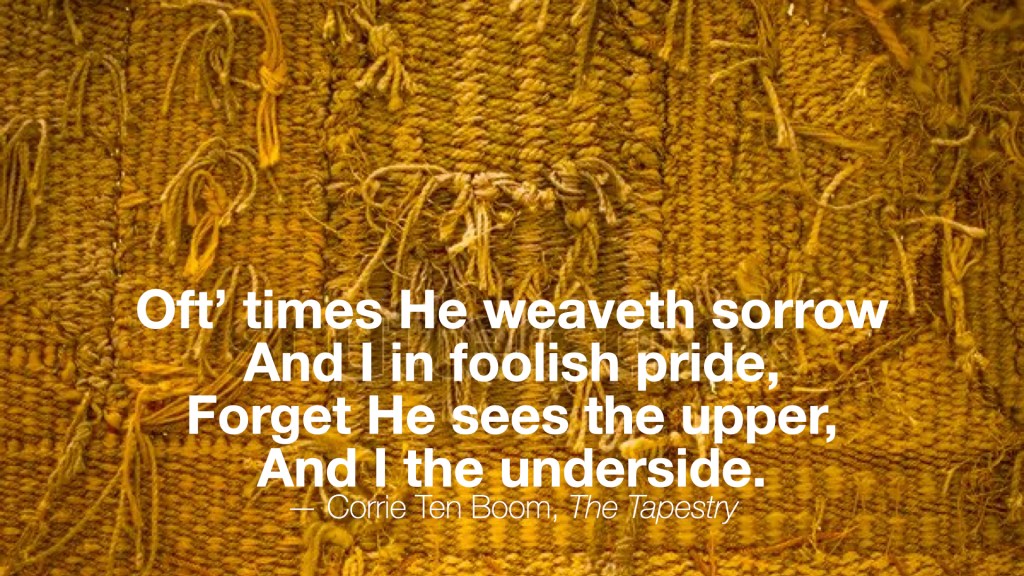
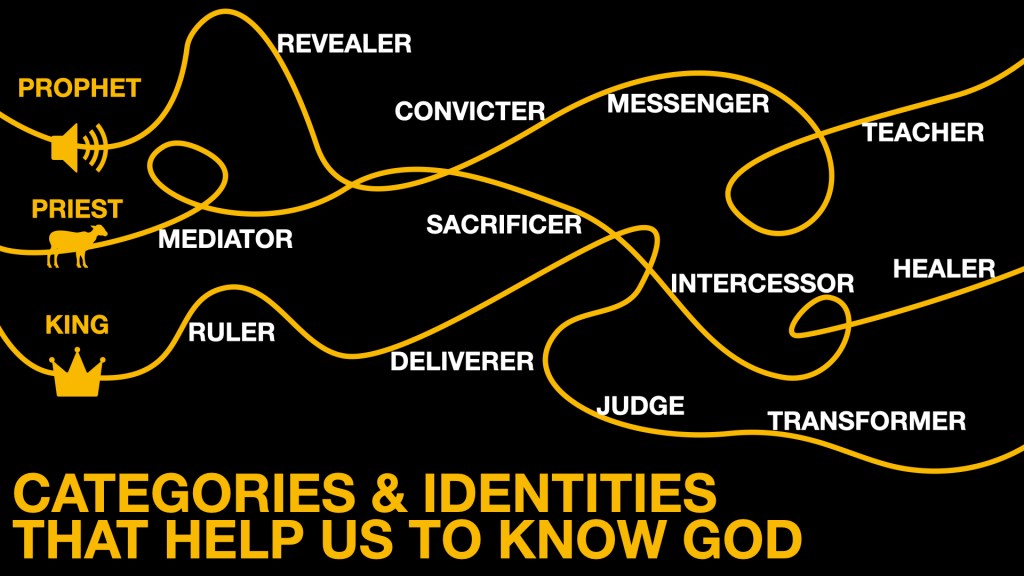
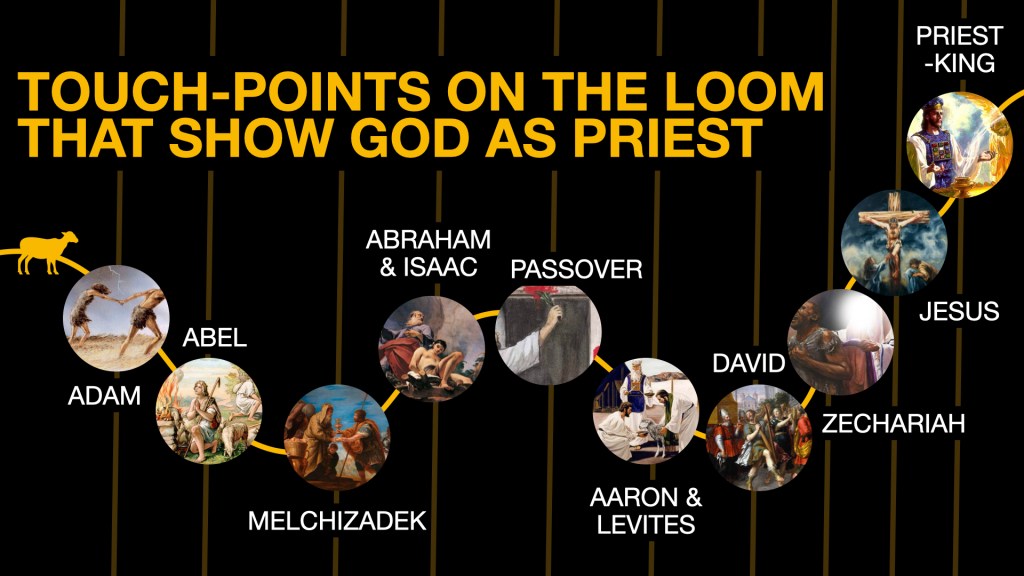
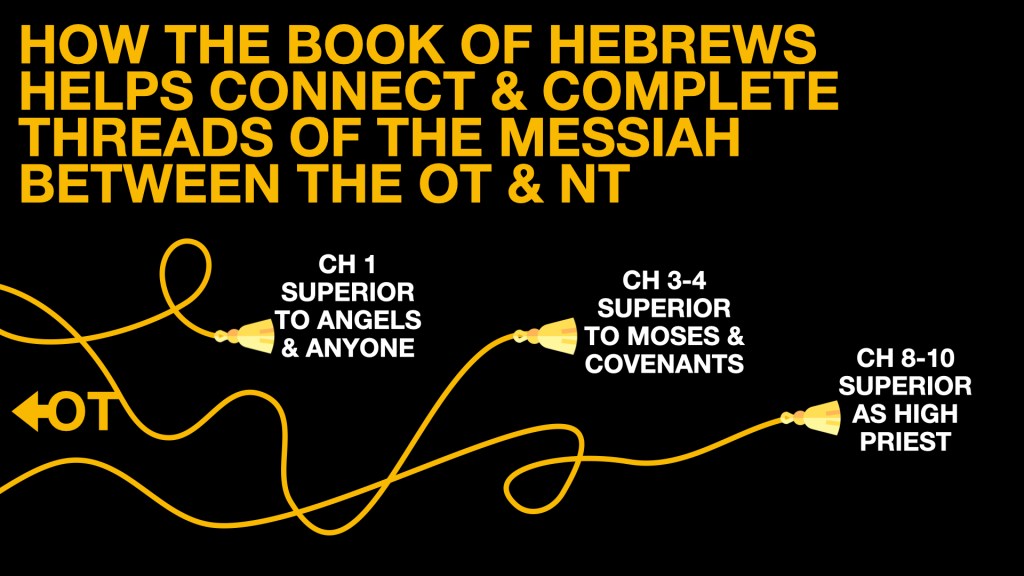


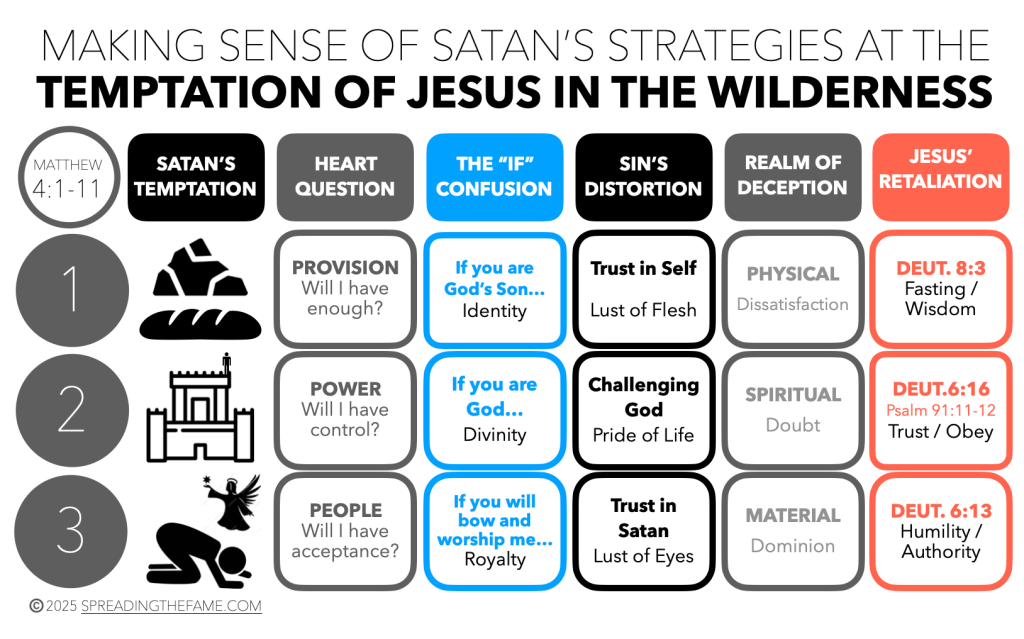




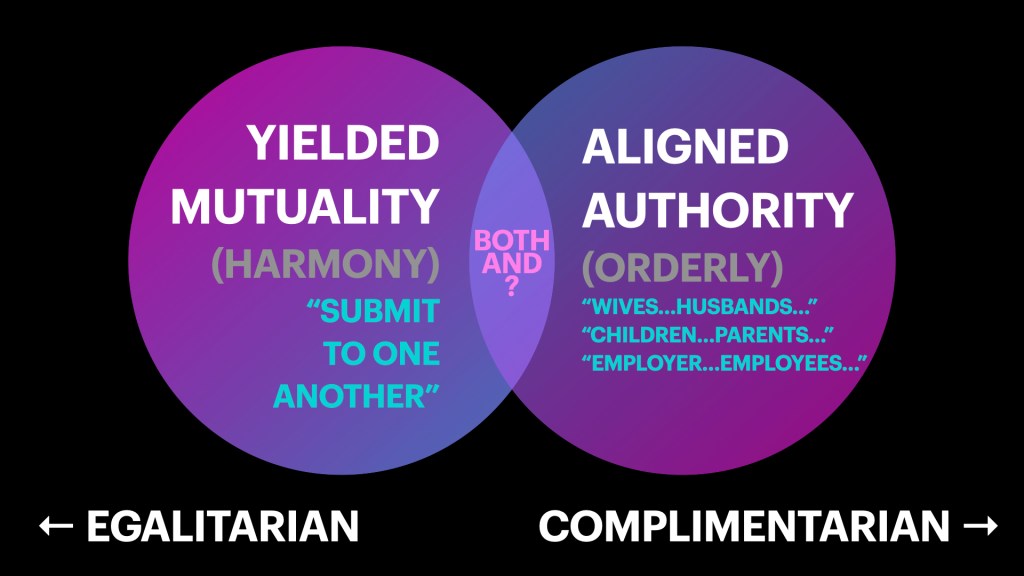











 Let’s do a short Bible Study and ask who, what, where and why of the text. Who were these men? We will learn one has a name and the other remains nameless. We aren’t sure if they’re related, worked together or were neighbors. Let’s just call them friends. Where were they going? They’re walking to a village named Emmaus. Archeologists don’t know the exact location of the town or the road. Likely, it was west of Jerusalem—in the opposite direction from where the two men were headed. Why were they leaving Jerusalem? The Passover was over. The big feast in the big city had finished and the roads around Jerusalem would have a steady flow of people leaving to go to their homes and villages.





 These are common lies that pretenders, posers and rationalizers sing as their rock-anthems, but they are lies from the pit of hell and they will keep them in hell. How do we stop believing these lives and begin living in truth? What is the right response to sin and the gospel of Jesus Christ? How do I finally get on the road to overcoming nagging addictions, sin/confess cycles, and secret-closet sinfulness?
 Jesus began His ministry by preaching, “The time is fulfilled, and the kingdom of God is at hand; repent and believe in the gospel.” [Mark 1:15] In other words, Jesus is saying, “I am the way. I am from God. I have fulfilled all the ancient prophecies. I am your promised Messiah who has come to forgive your sins. Trust me and turn from your sins.”
 God is serious as a heart attack about sin. Sin is like the fat that clogs up your arteries, and repentance is the surgery that lets the blood flow again. This is how serious God is about sin, “And if your right hand causes you to sin, cut it off and cast it from you; for it is more profitable for you that one of your members perish, than for your whole body to be cast into hell.” [Matthew 5.30] Sin is very serious and must be amputated radically before it kills you [James 1:12-15].






 spreading the fame